Zuma. Sound, light, powered by voice
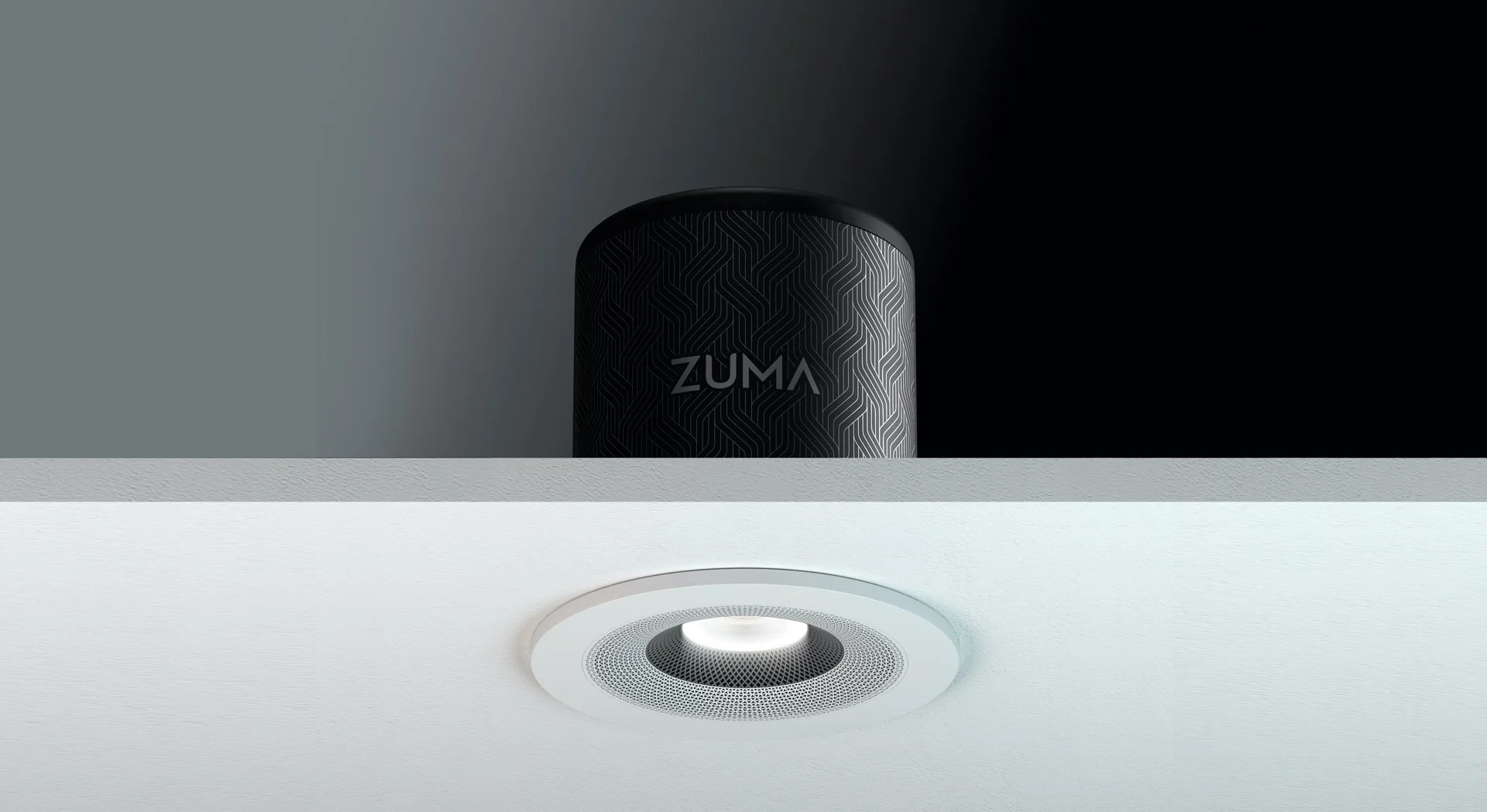
AboutZuma is a recessed sound-and-light system that seamlessly integrates premium-quality audio and lighting, powered by Alexa and compatible with Spotify, YouTube, and Tidal. Designed as a luxury product built to last, it’s upgradeable with smart bezels in a range of styles to evolve with any interior.
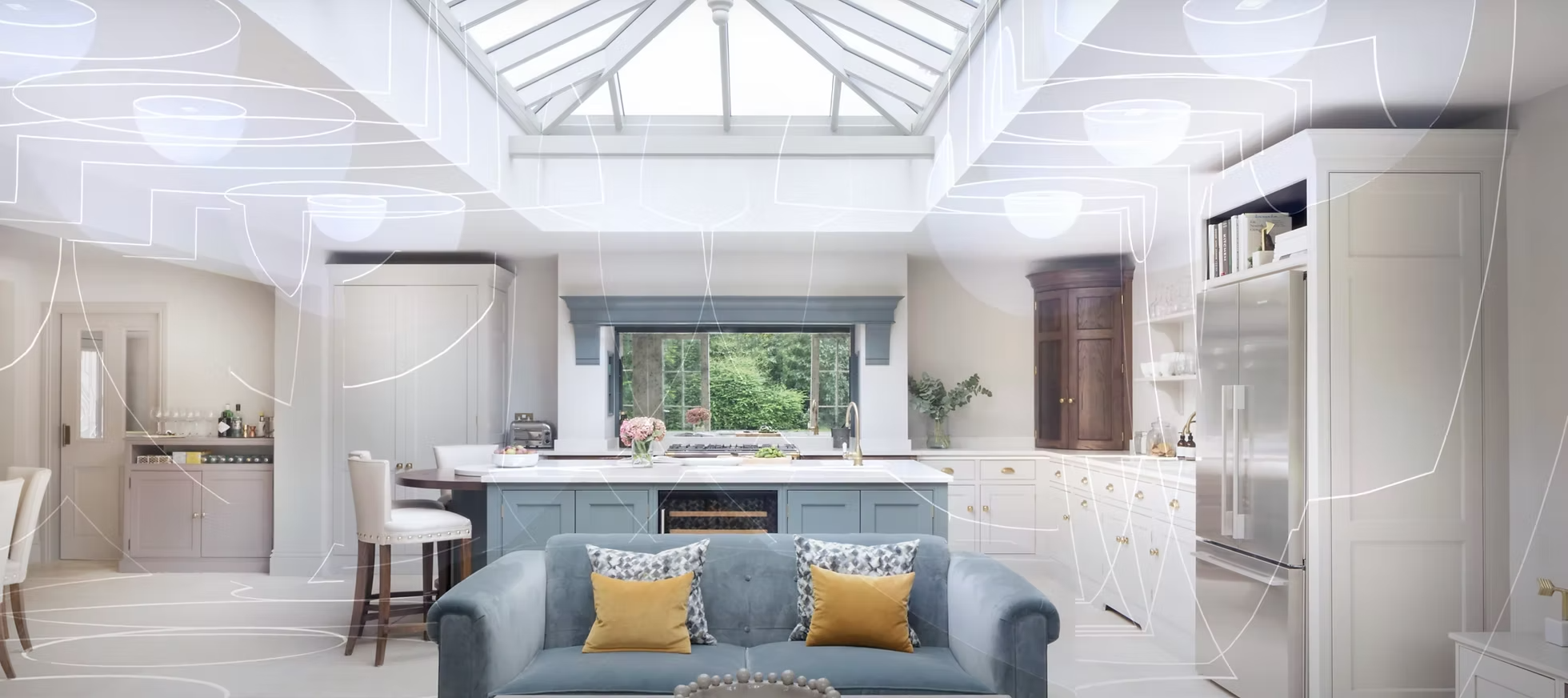
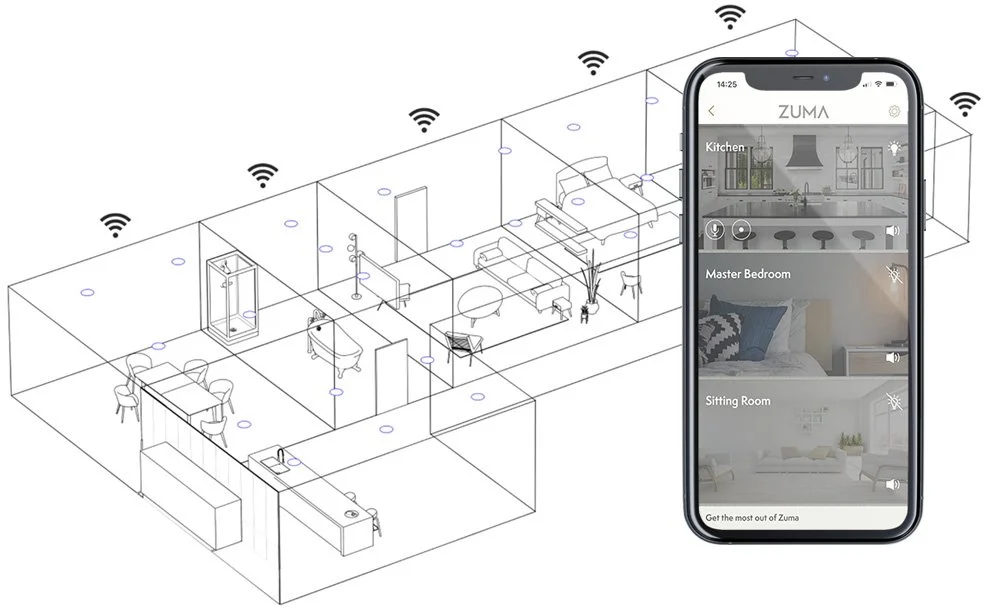
How it worksZuma combines a dimmable LED downlight with a high-fidelity speaker, all housed in a sleek, screw-free unit that slots neatly into plasterboard ceilings or walls. Controlled via Alexa, a standard switch, or its dedicated iOS and Android app, it delivers seamless light and sound with minimal wiring and effortless setup.
Project breakdown
ContextClient: Zuma, sister company of Native (a London-based sound hardware pioneer)
Challenge: powerful integrated light-and-sound hardware, but no digital interface for setup or everyday use
Role: Lead UX Designer, responsible for iOS app, web, and installer experience
Team: 1 UI designer, engineers, and business director, working closely in agile sprints
Timeline: 12 months from prototype to launch (all during the pandemic)
My role and approachAudited existing prototypes and mapped user journeys for installers and homeowners
Benchmarked competitors’ onboarding and voice interaction patterns
Collaborated with product, engineering, and business on sprint-based priorities
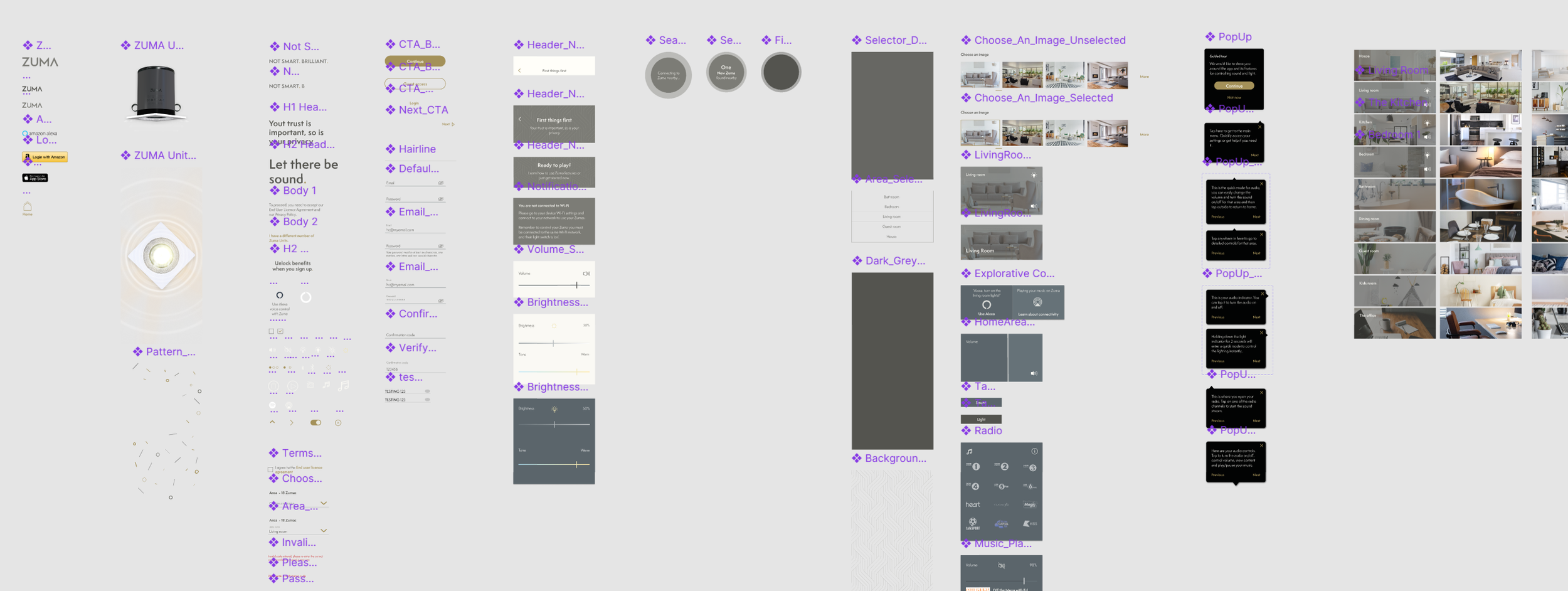
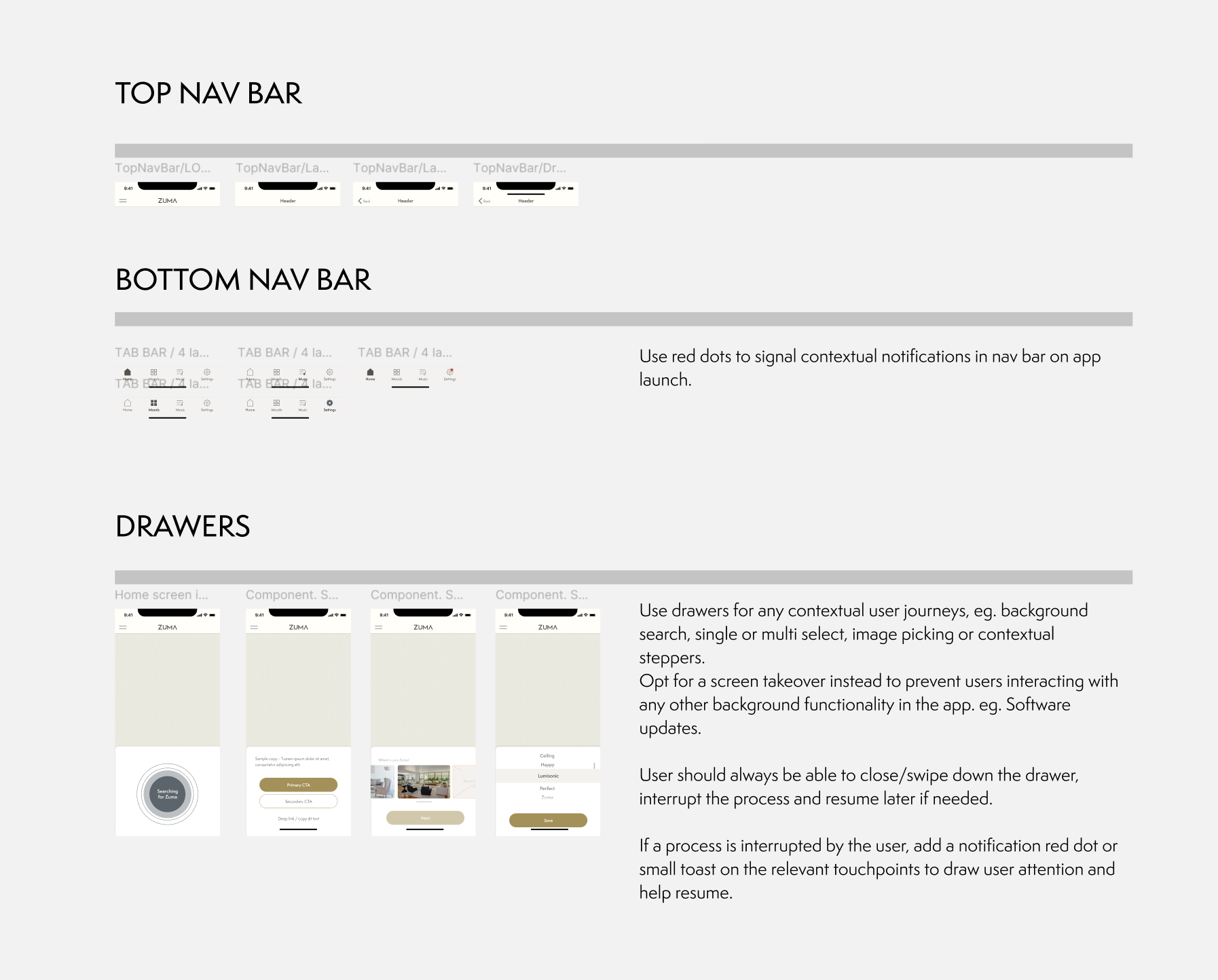
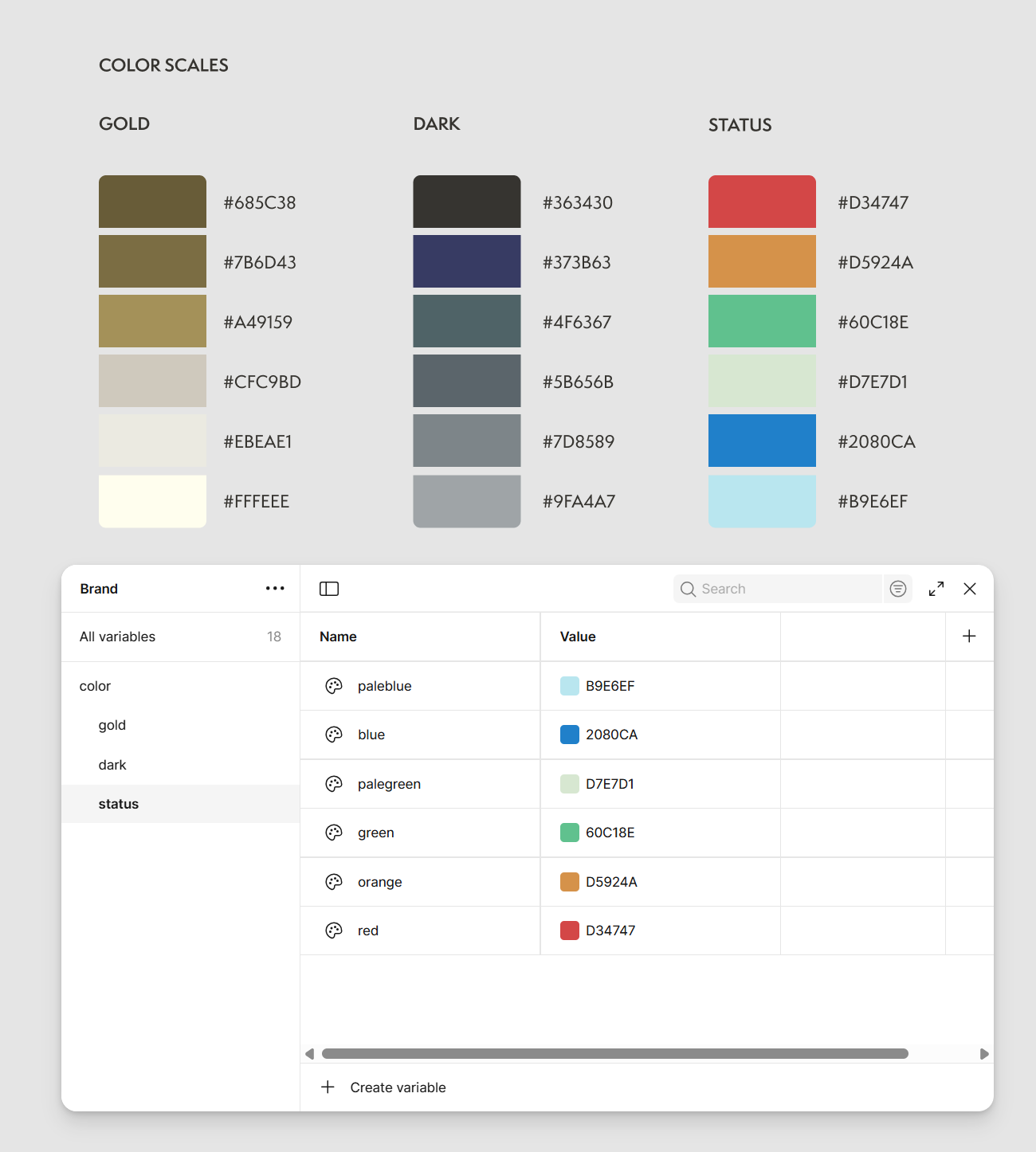
Built and evolved a tokenized Figma design system for fast iteration
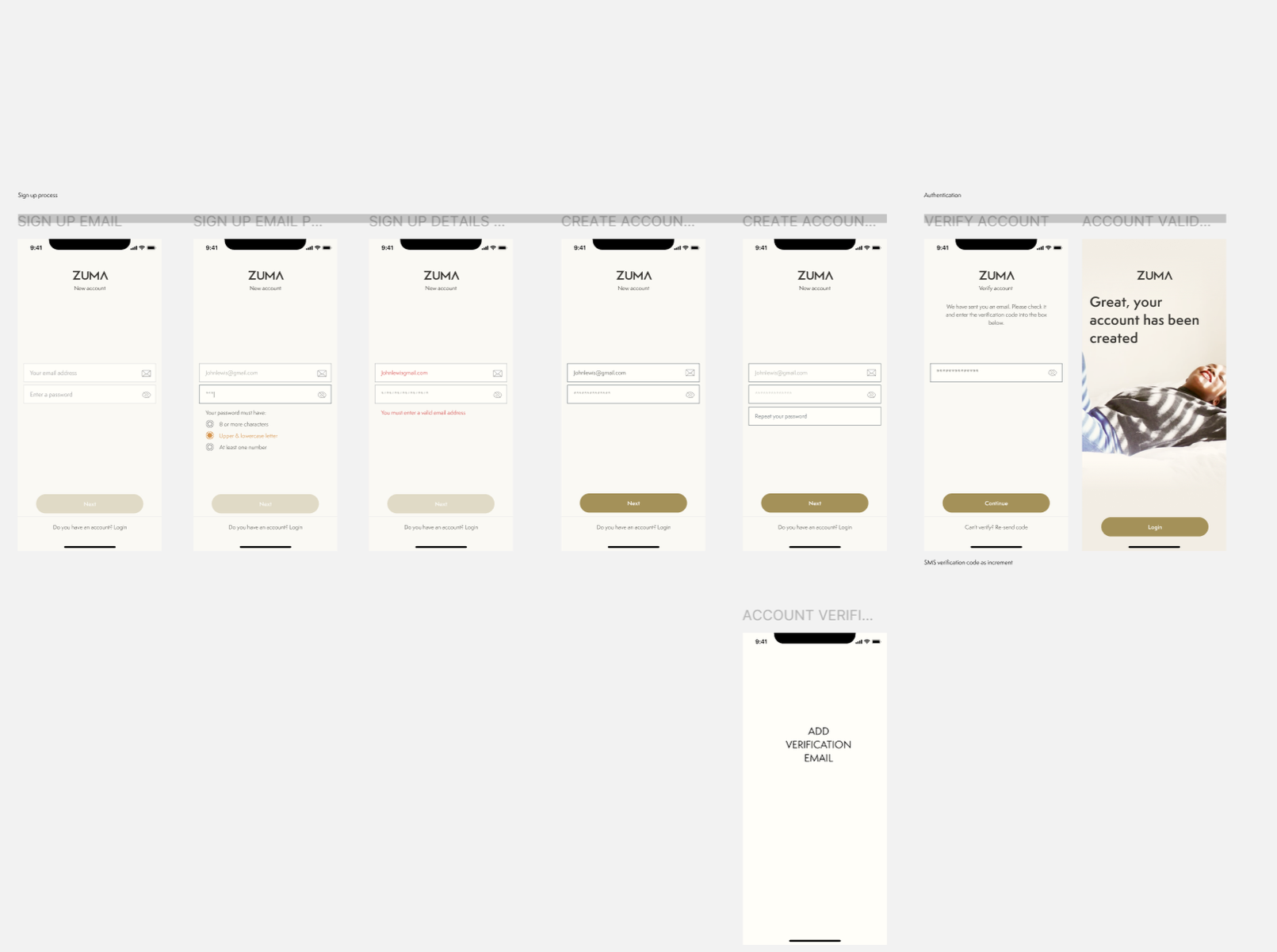
Key UX SolutionsOnboarding Flow: designed for a smooth first-time setup (Wi-Fi, Alexa, room assignment, music services) with clear guidance and error handling
Music & Voice Integration: enabled user account connections to Spotify, Amazon Music, and Alexa for hands-free control
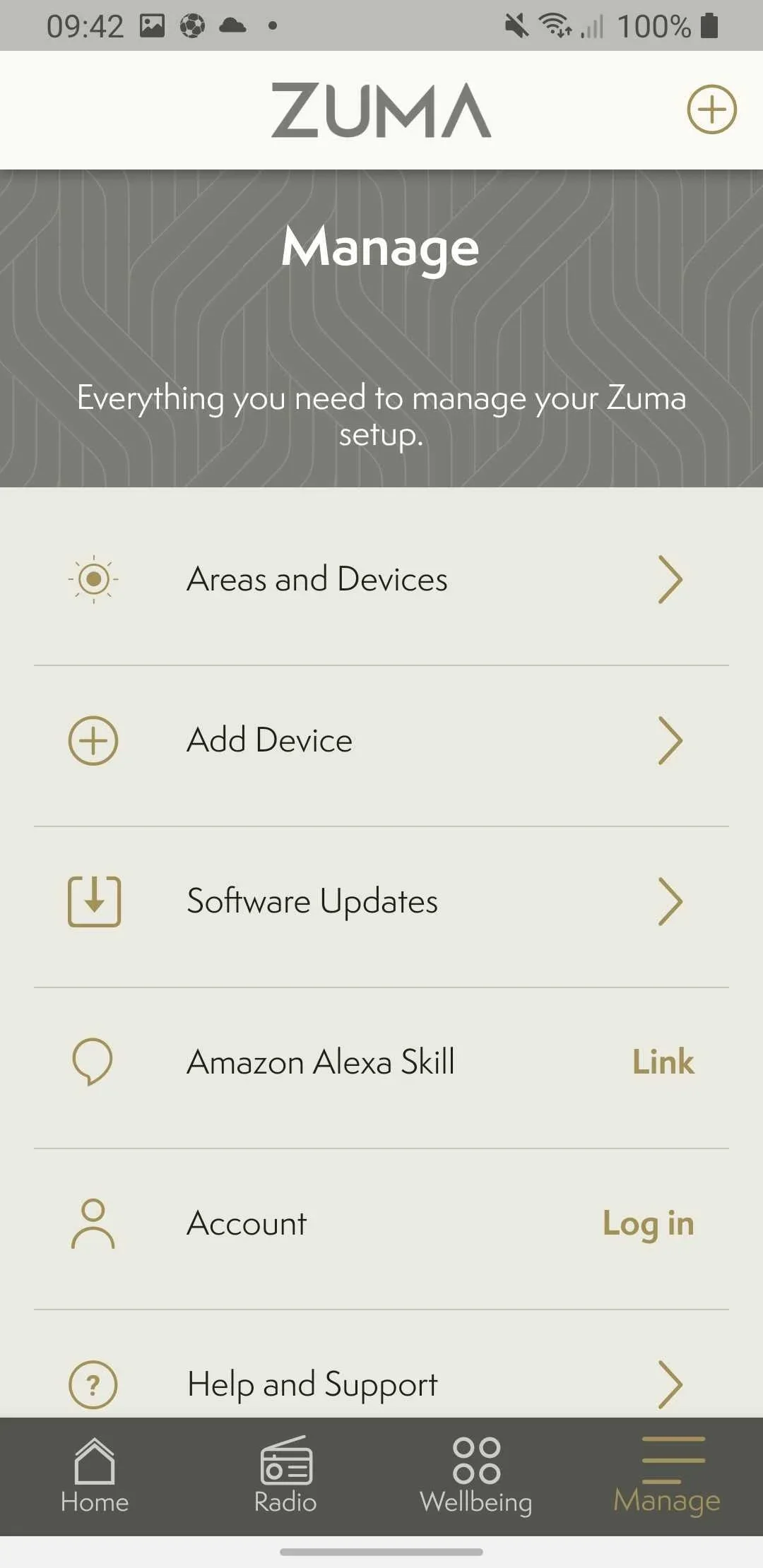
Profile & Personalisation: built flows for profile creation and custom room/device settings
Mood Playlists & Radio: designed interactions and integrations for curated soundscapes and 20+ radio channels
Delightful Feedback: added subtle animations and celebratory moments to make setup rewarding
Unboxing Experience: reviewed packaging design, taxonomy, instructions, and print materials to ensure a premium, sustainable first impression
ImpactTook Zuma from prototype to launch in under 12 months
Delivered 0-1 iOS app, website, and support ecosystem ready for beta and full release
Enabled seamless Alexa integration and foundations for wellness features
Contributed to multiple design awards and strong adoption in luxury real estate
Awards & Recognition:
Red Dot Design Award – Product Design
IIT Award – Innovation
Designerati Design Technology Product of the Year (2023, for the Zuma Smart Bezel Voice)
CEDIA New Hardware Award (2021)
What is Zuma
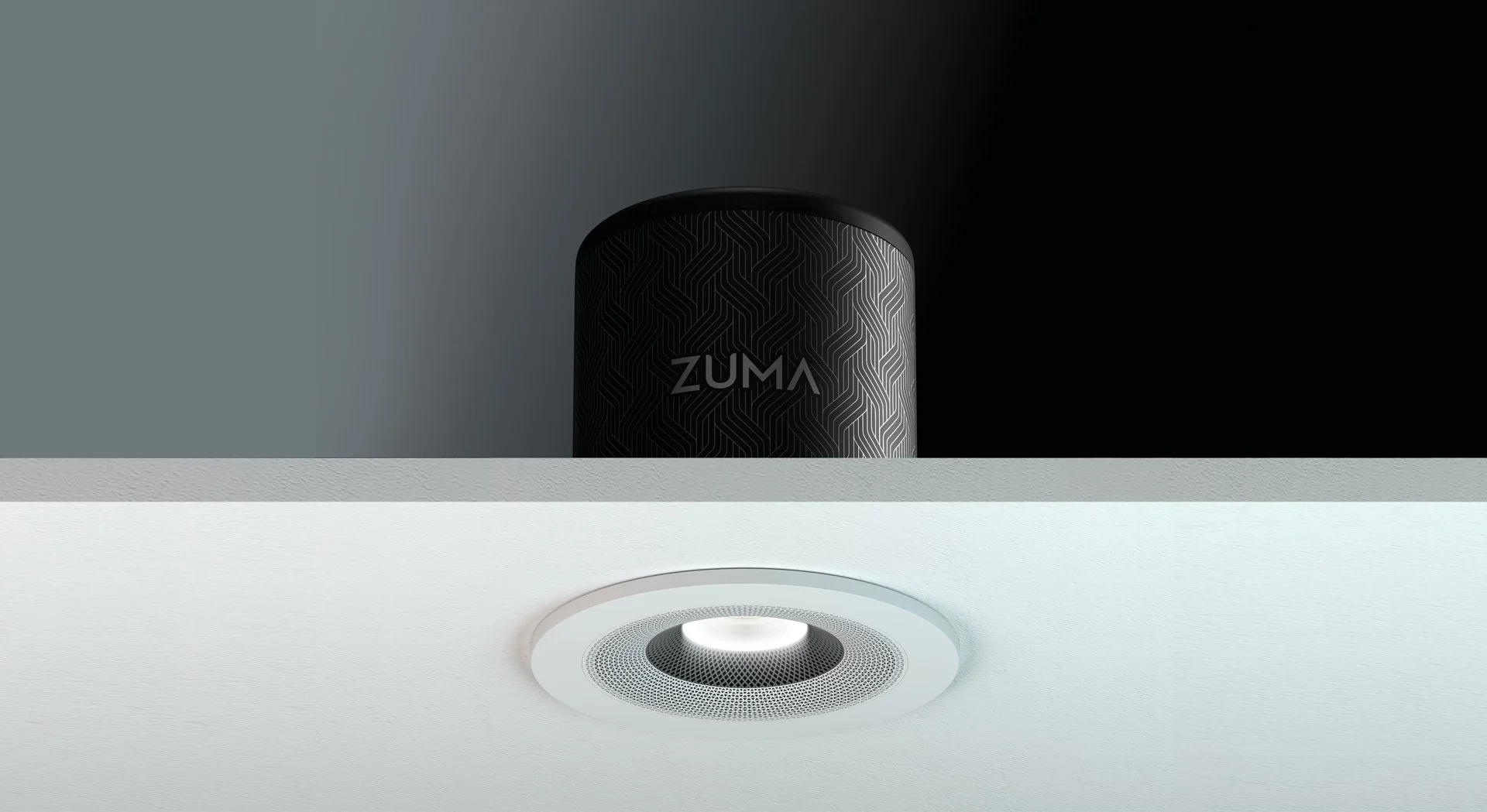
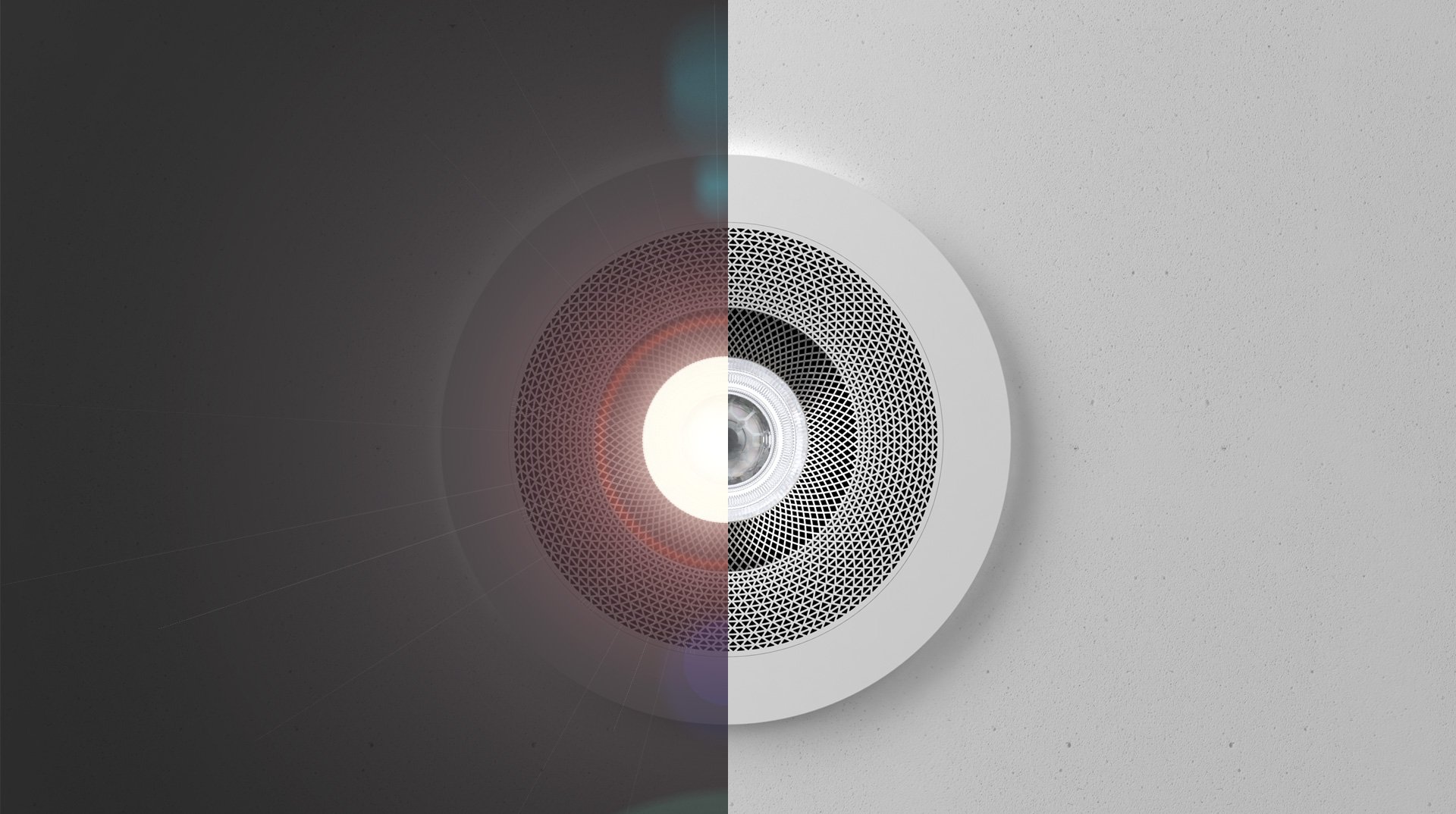
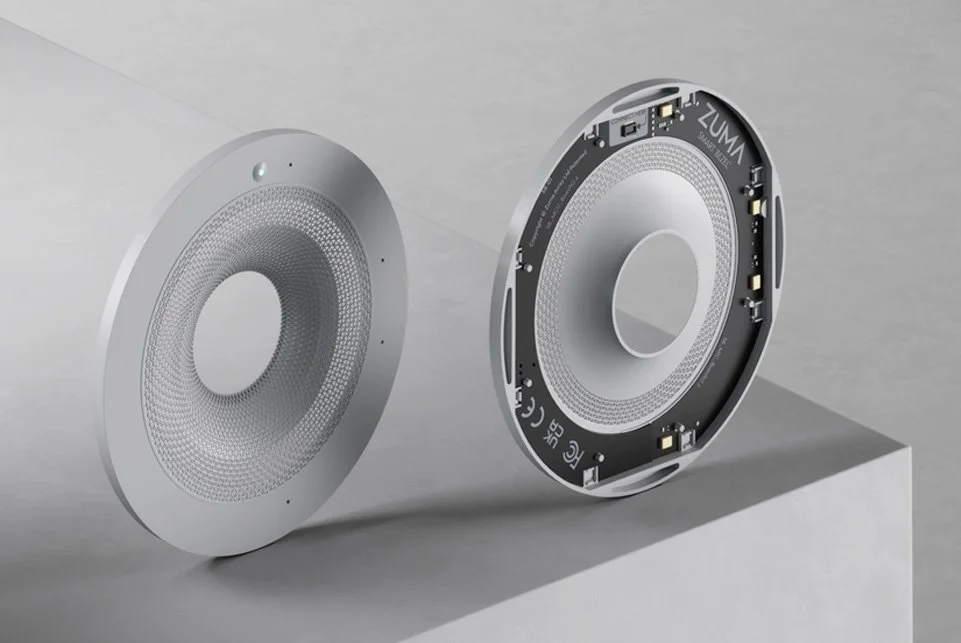
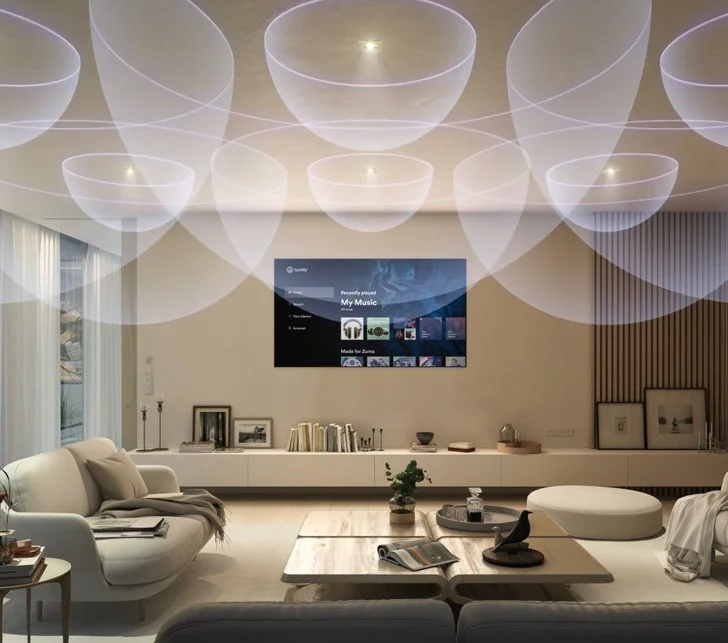
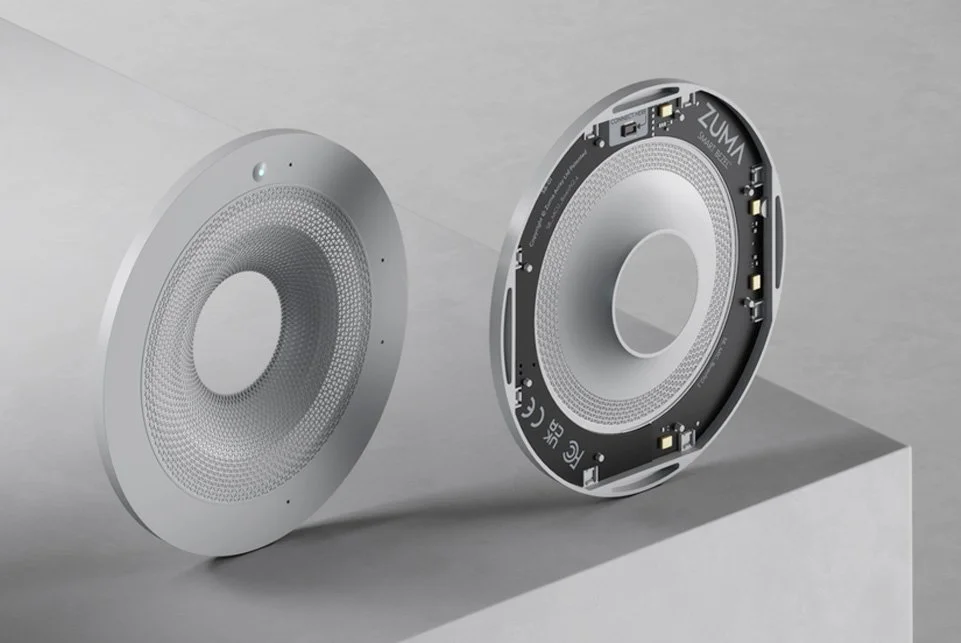
Zuma is a recessed downlight designed and engineered for beauty and performance. It consists of two main elements: a high-quality dimmable LED light and an integrated speaker positioned on the outer ring.
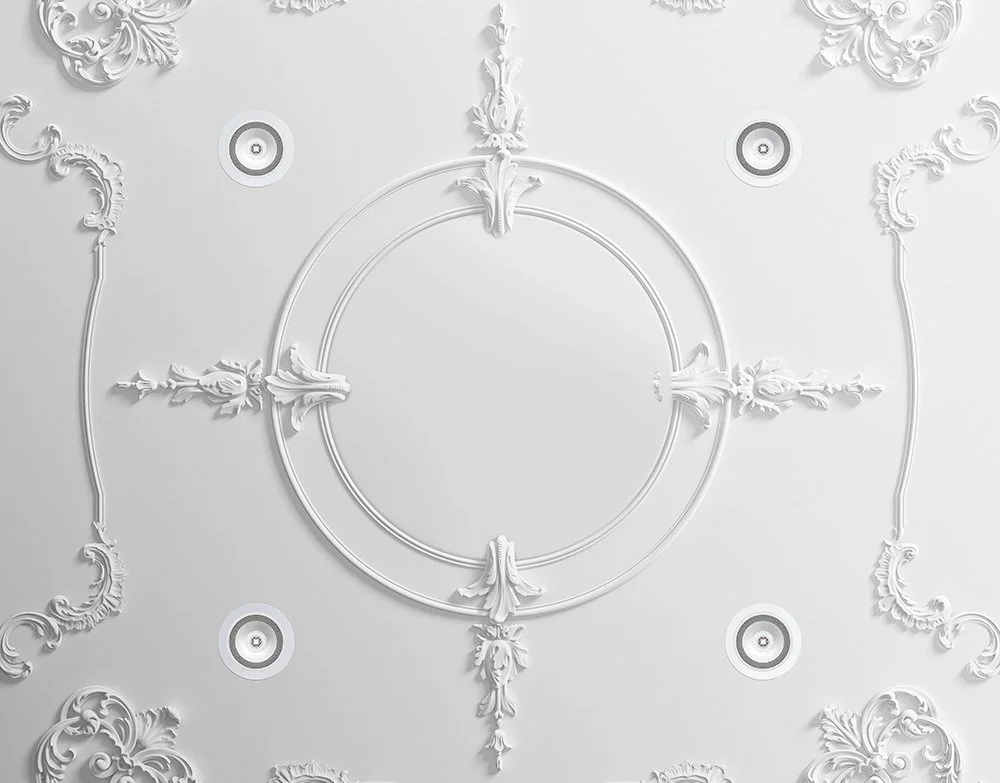
The unit is designed to be installed easily on plasterboard walls and ceilings, without visible screws, using a patented system of metal “wings” that grip tightly under the plasterboard when inserted. The light works with minimal wiring, keeping the setup clean and unobtrusive.
What sets Zuma apart is its bezel. Beneath its sleek exterior lies a compact motherboard with three sensors as well as a quad-core ARM Cortex-53 processor with DSP to manage both sound and light.
Zuma works with Amazon Alexa, either through its integrated microphone or via external Alexa devices. It can be operated using a standard switch or dimmer, or through its proprietary app.
The downlight comes in three variants, each finished with a distinctive woven pattern in silver or gold. If Christian Dior had ever designed a downlight, it would be Zuma.
The challenge: a hardware with no digital interface
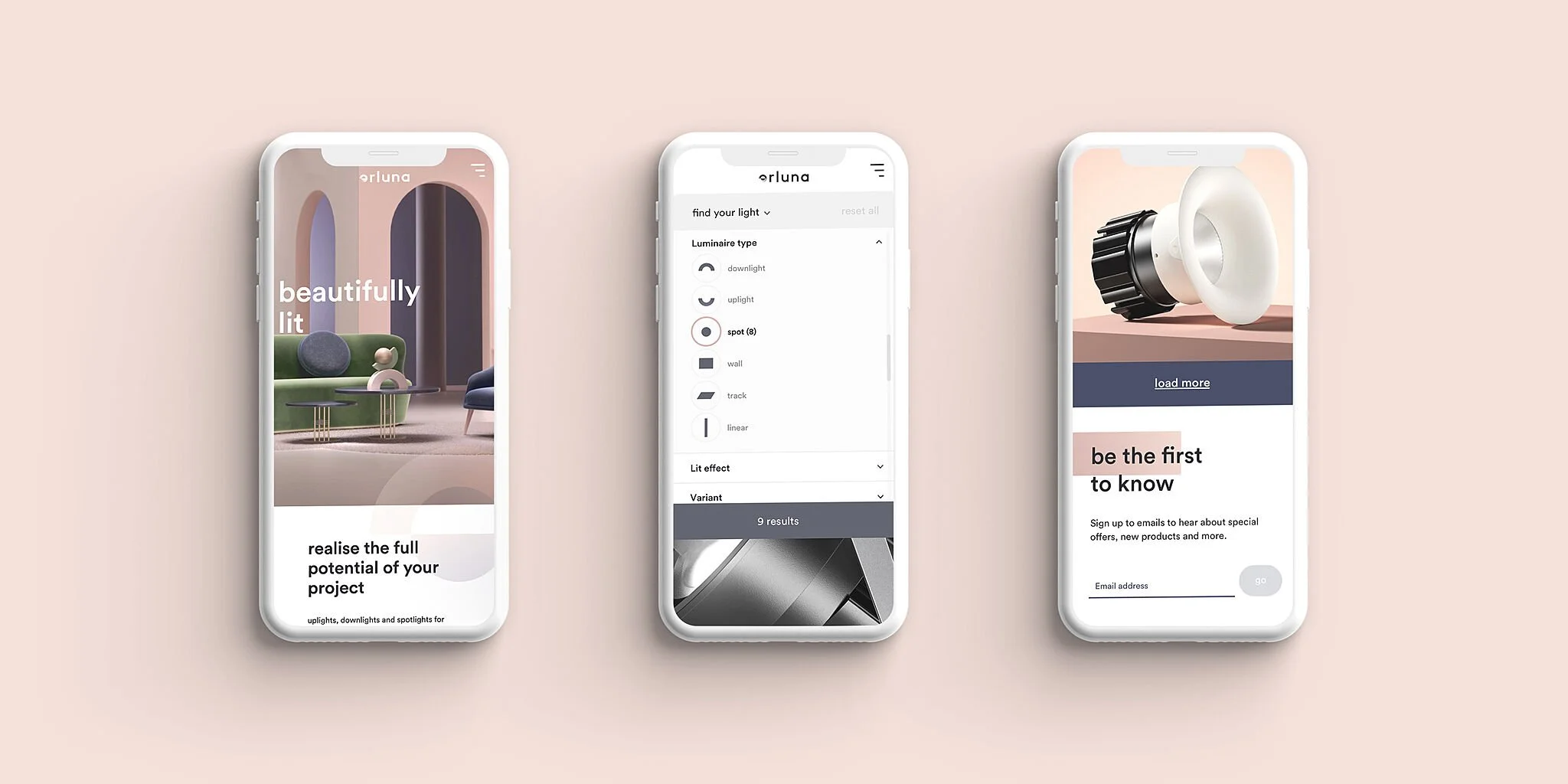
When I joined Zuma, I stepped into an exciting company making its entry into the high-end lighting market, a space I knew well, having previously worked with Orluna, a lighting manufacturer in London.
The product itself was exceptionally powerful and cutting-edge, but it lacked a smooth, intuitive digital interface. In fact, it had no interface at all. At that stage, Zuma was essentially a prototype being developed in London with plans for manufacturing in China.
My challenge was to design a seamless user interface, both for web and iOS, that would allow its core target audience to set up and operate the system effortlessly, enabling the company to successfully launch its beta phase and pave the way for full market entry.
The approach: benchmarking competitors’ voice interaction patterns
When I joined, a small team of engineers was developing the software components to operate the lighting system, alongside a basic, rudimentary web app that allowed installers to set up Wi-Fi connection data and other operational data points. None of the team had prior experience with consumer products, let alone with designing interfaces for smooth, intuitive UX or user delight.
At the same time, a sole UI designer on the project was assembling a brand language from scratch and an iOS app aimed primarily at onboarding lighting installers once the fixtures were in place. While the app supported basic setup and activation, it offered little beyond getting the lights up and running. The brand language had a clear positioning, though it lacked maturity, while a components library to roll it out was lacking altogether.
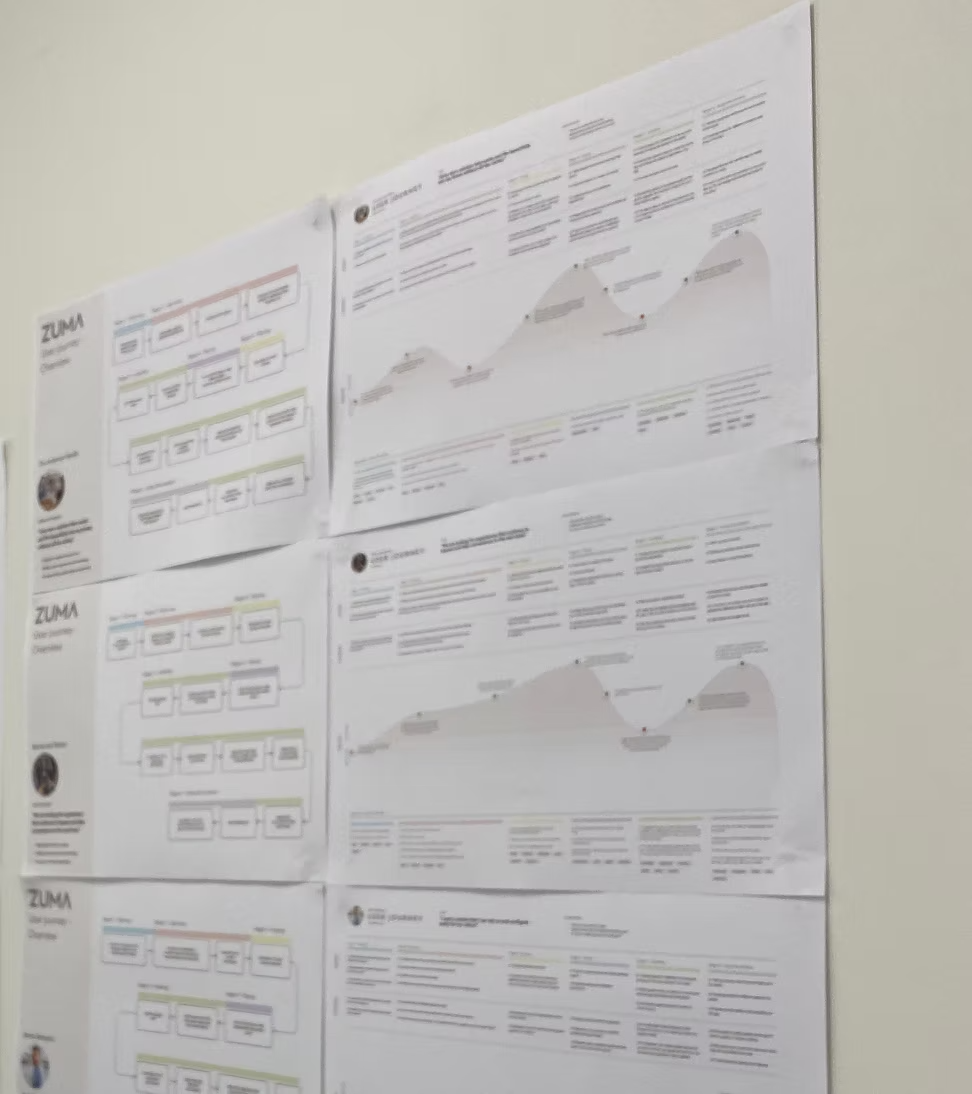
My initial approach was to audit and map everything produced up to that point, conduct a competitive review of leading market players, and chart the onboarding journeys for both lighting installers and property owners, the two key target audiences Zuma was focusing on.

Design strategy: focus on iOS onboarding while building a living Design System
Hand in hand Product, Business, and Engineering
The idea was to deliver a fluid end-to-end experience from unpacking to full up and running by setting up clear time estimates for tasks. All estimates were prioritised with the business director first, then refined with engineering and design teams.
User research & journey mapping: Defined personas and mapped multiple touchpoints, from unboxing at the point of delivery to app download
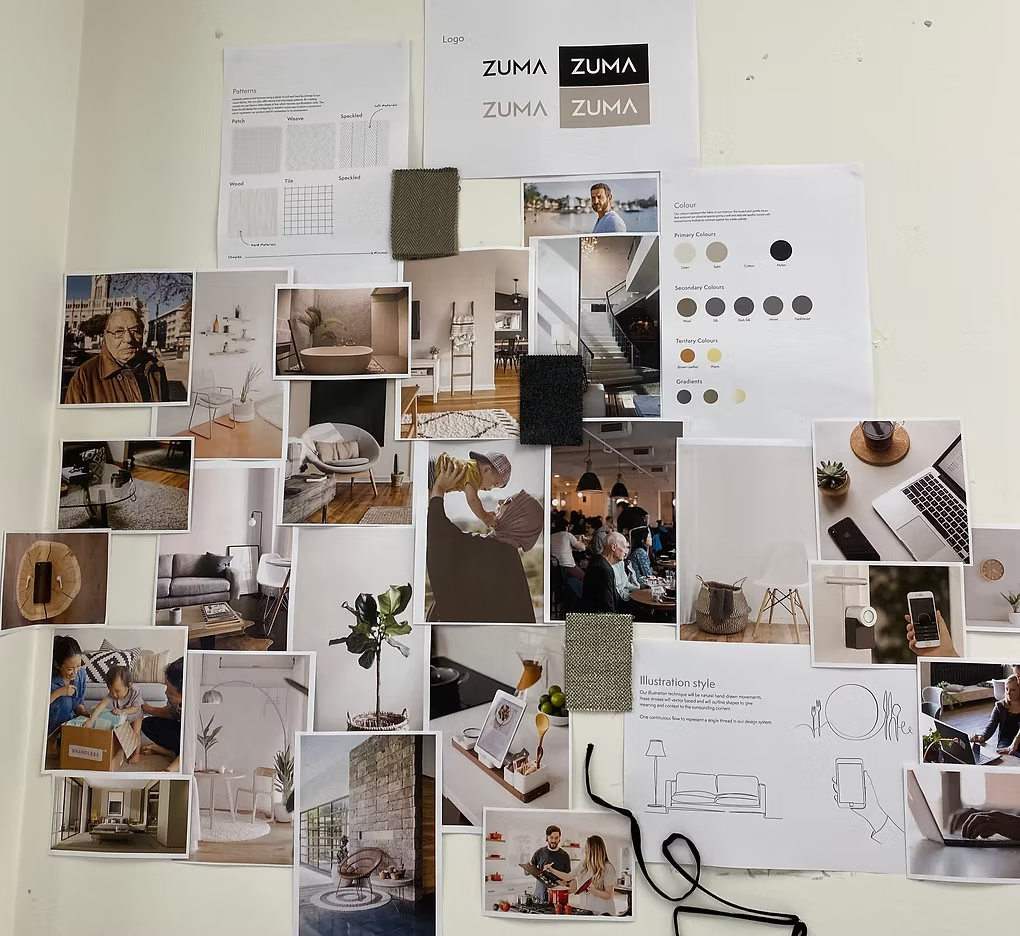
Brand integration: Extended typography, colour, and naming into a cohesive UI system.
Interaction design: Crafted subtle, responsive flows for quick adjustments and clear feedback.
Prototyping & iteration: Tested and refined early with features going live weekly to ensure clarity and speed
Experience Design and Interaction
My focus for the iOS app included:
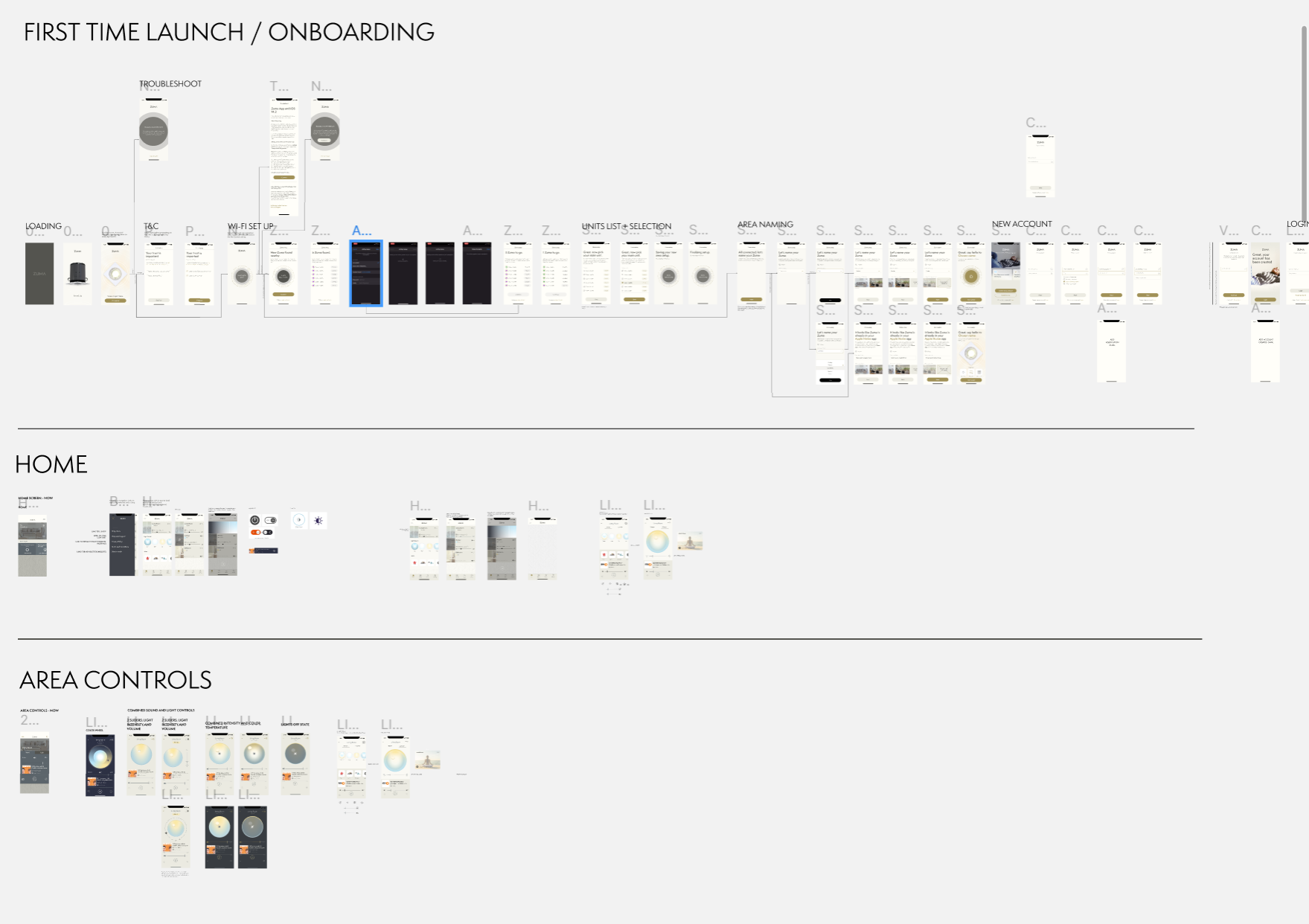
Setup flow: Simplified the multi-step connection process with clear, reassuring messaging, error states and color changes
Delightful feedback: Added a celebratory light and sound show on successful setup, subtle animations and short videos to get users to complete onboarding
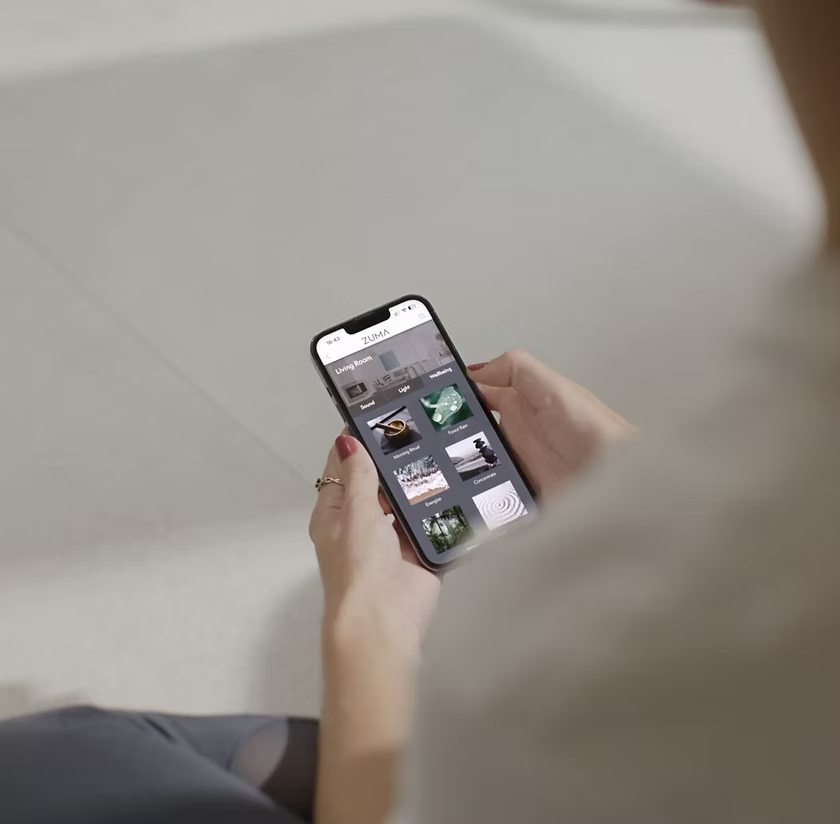
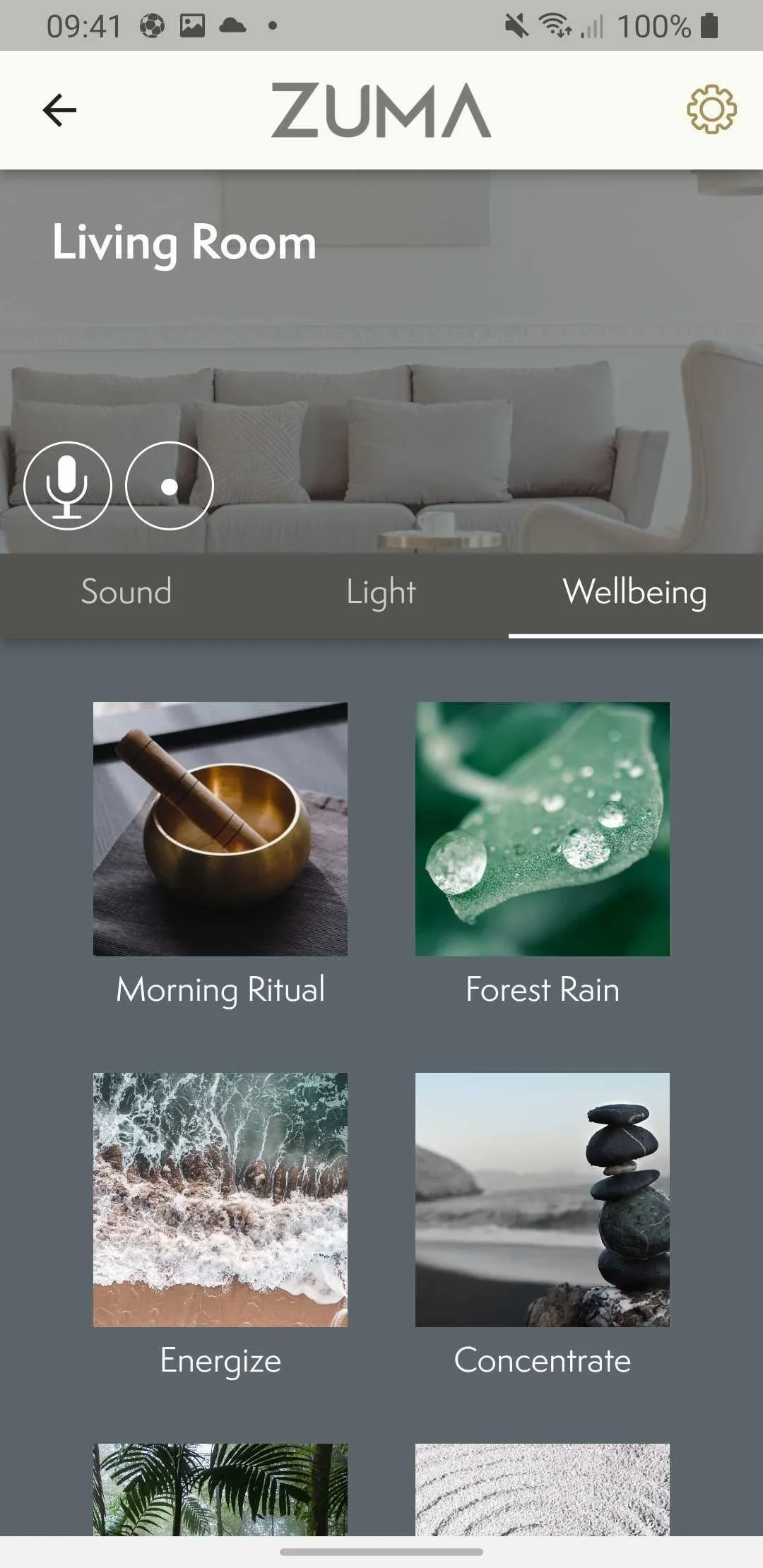
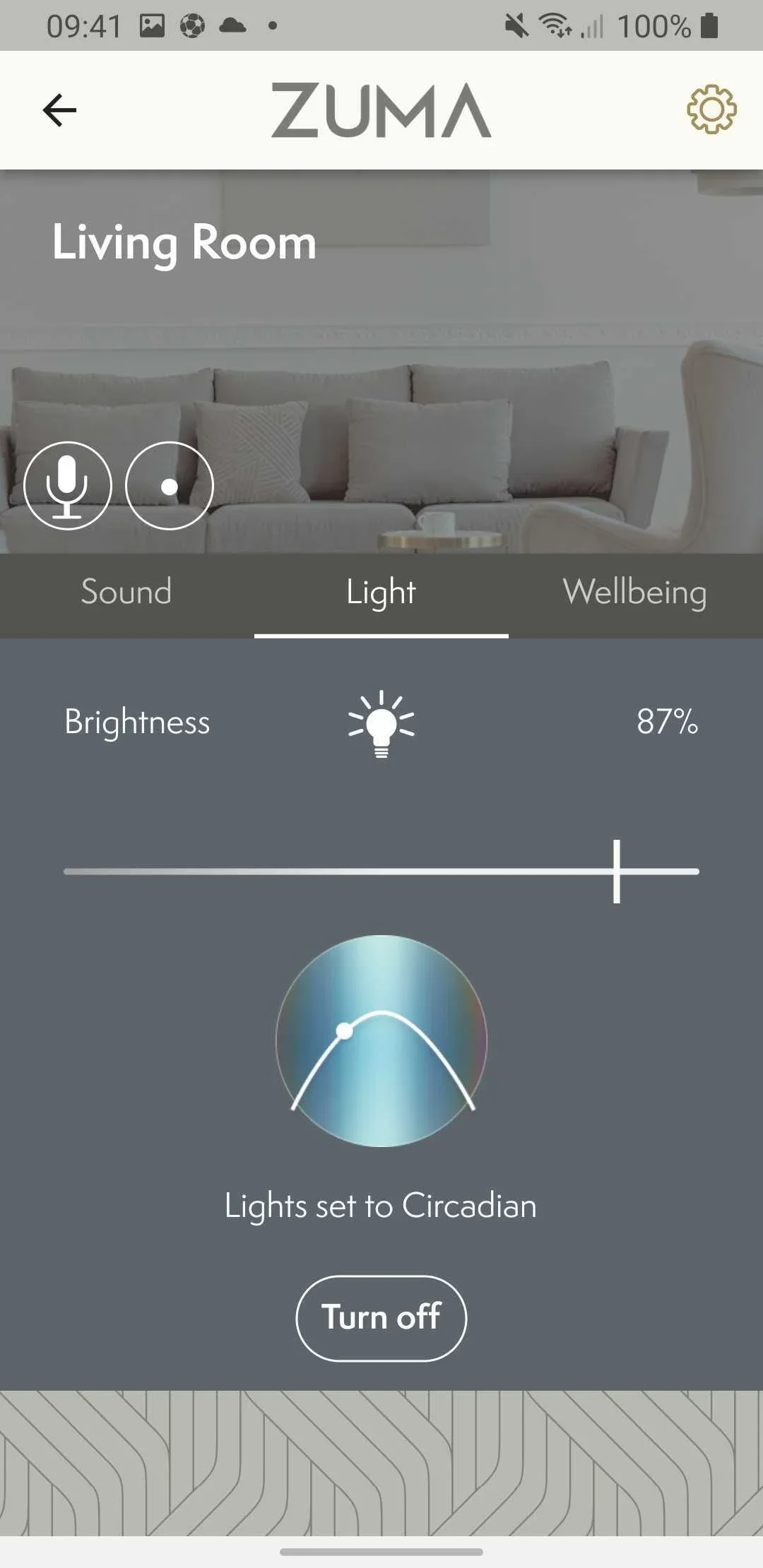
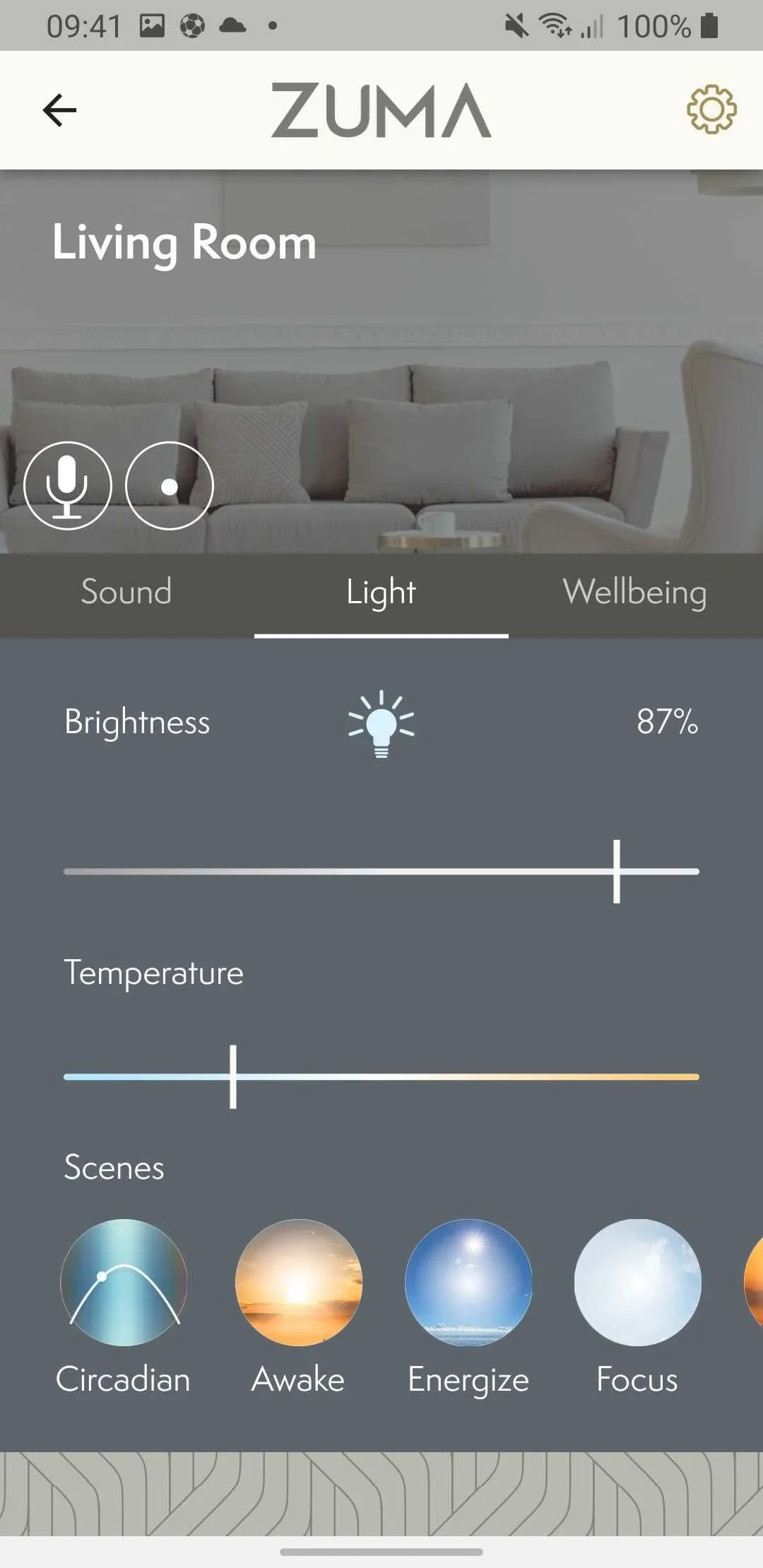
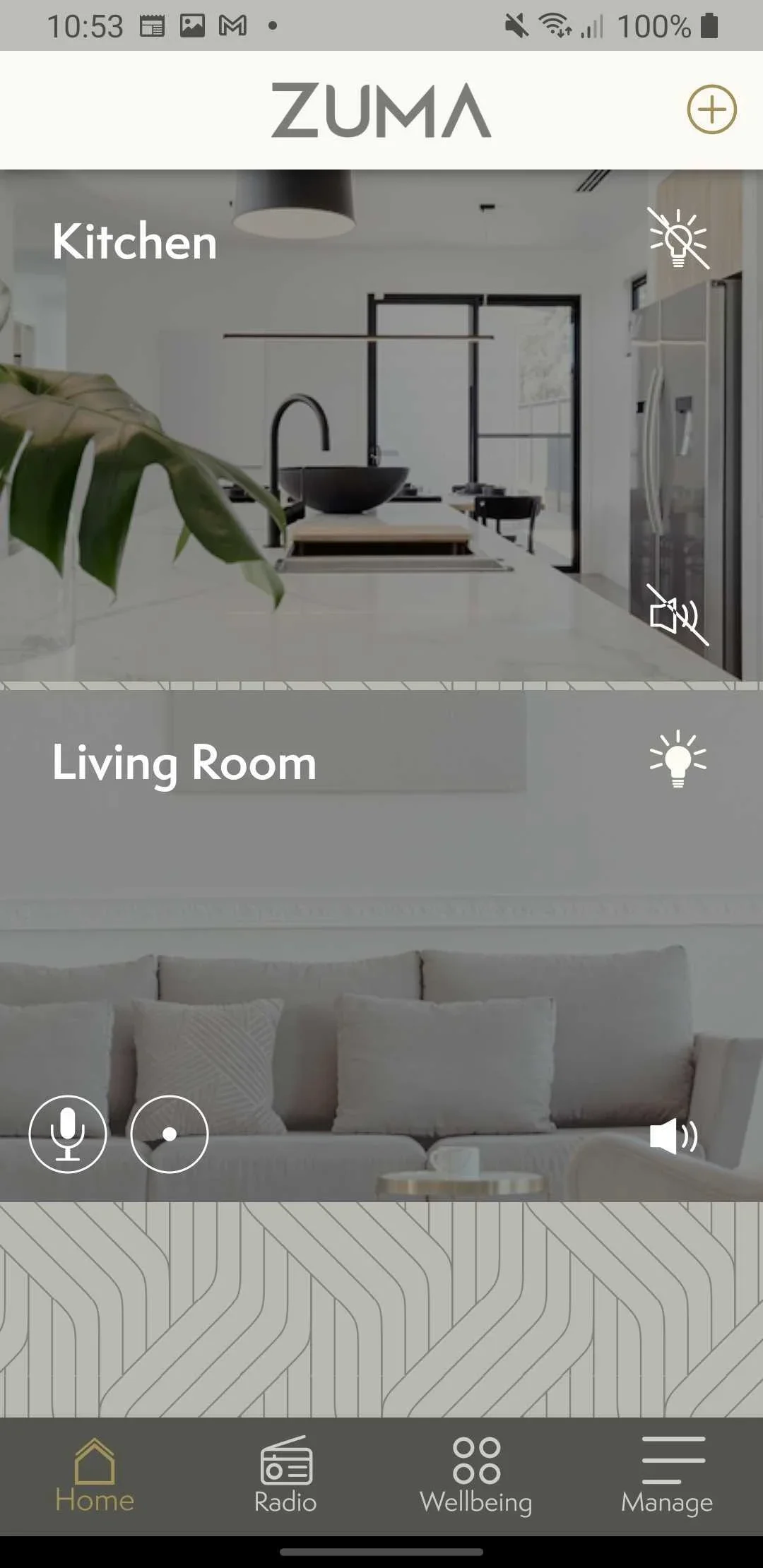
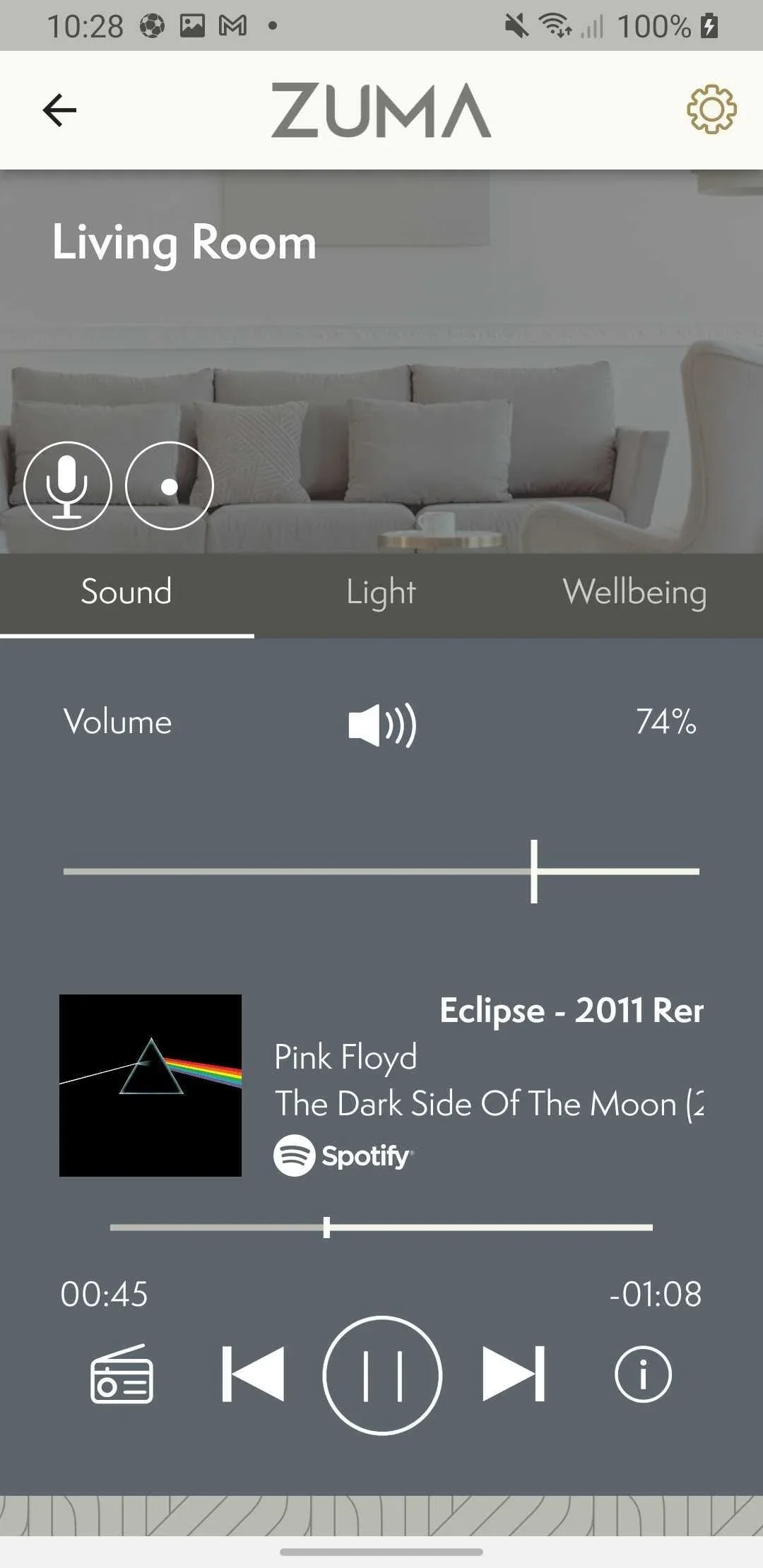
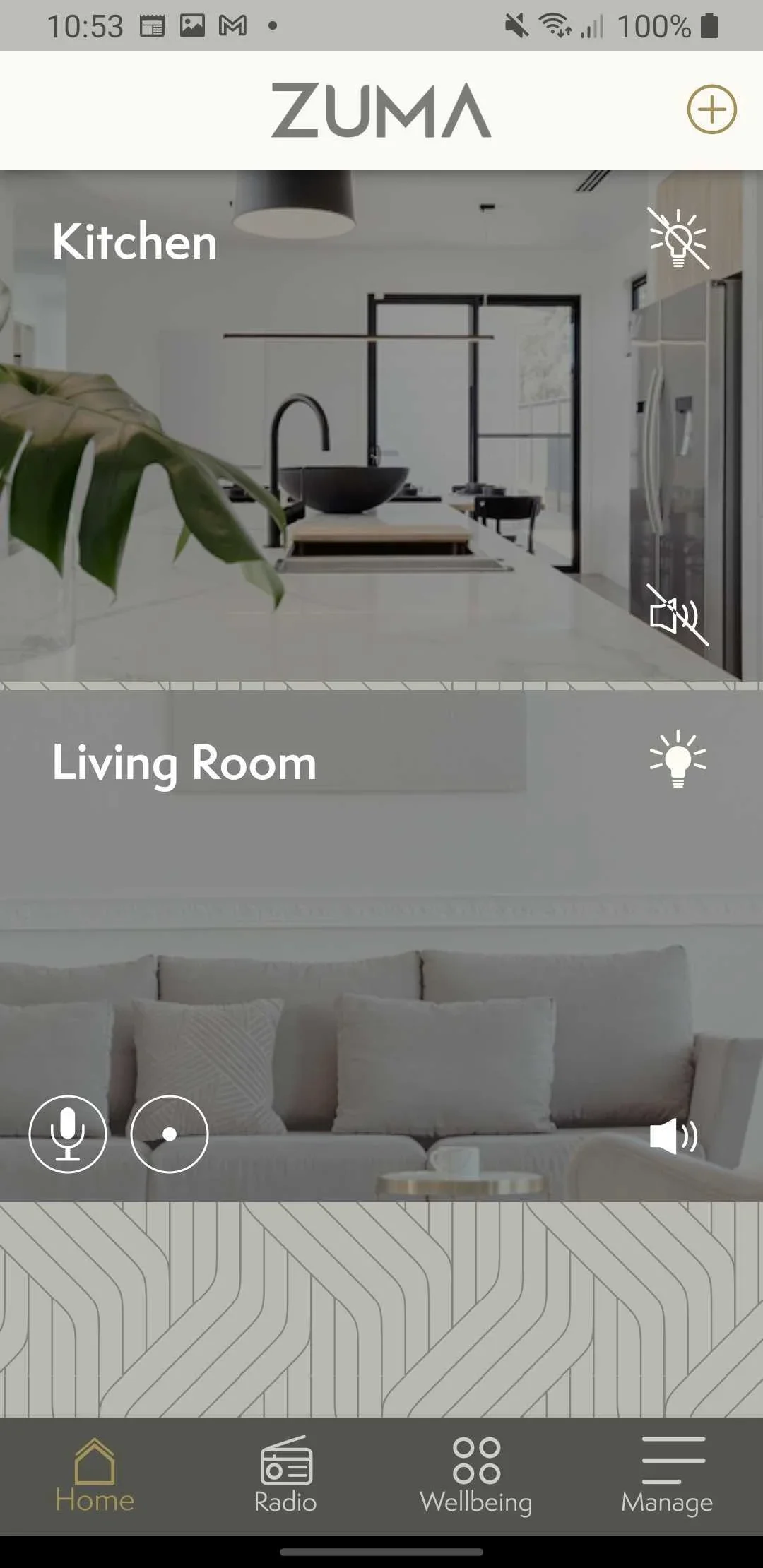
Feature hierarchy: Designed quick-access controls for music, lighting, and ambient scenes.
Future-proofing: Built foundations for wellness features such as lightscapes and soundscapes for relaxation and workouts.
Design process. Timeboxing priorities
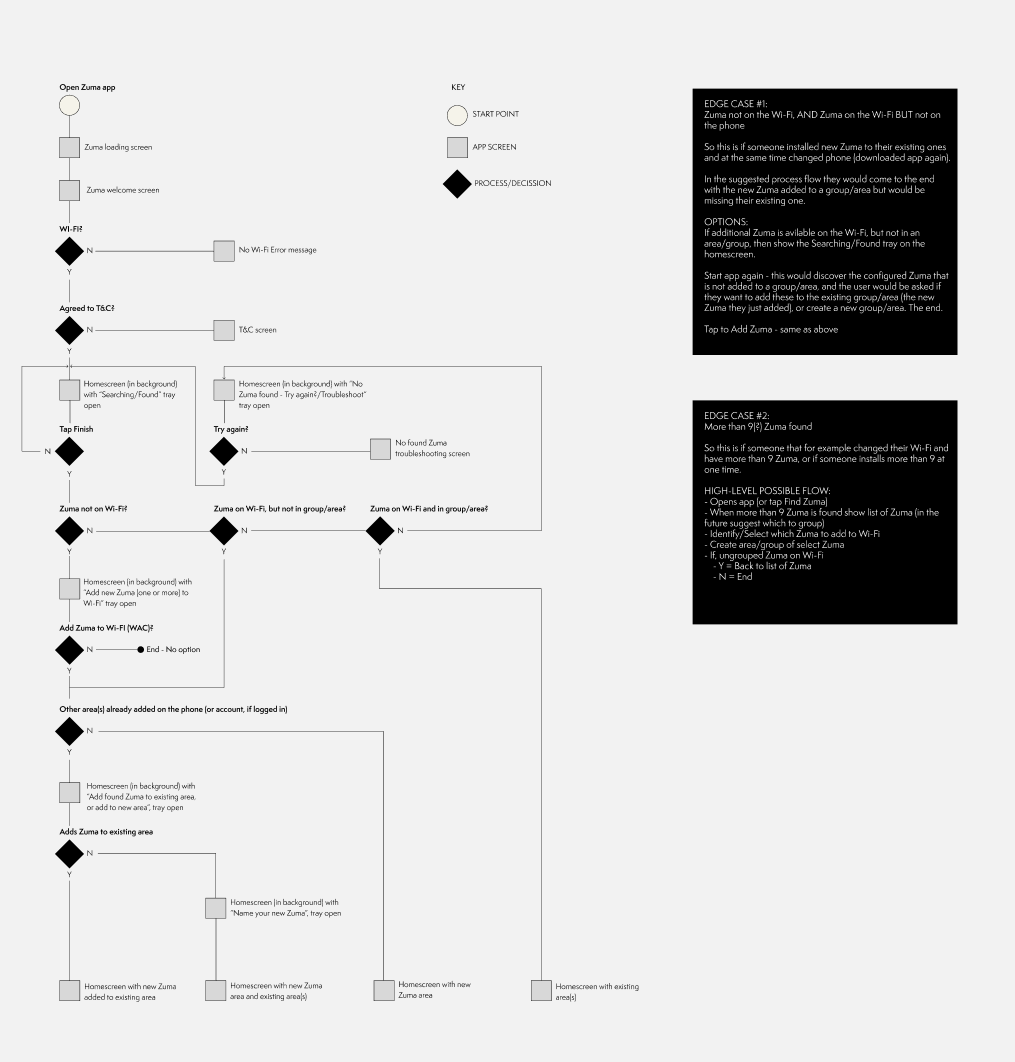
After mapping the user journeys, I realised that the core flow for both target audiences was the onboarding experience. This process was complex, involving multiple steps: setting up the hardware, connecting to Amazon Alexa, pairing with the local Wi-Fi, assigning different downlights to different rooms, and linking to a Spotify account or a database of radio channels.
A wide range of scenarios, error states, and user-facing copy made this journey account for roughly 90% of the overall app experience.
I began by mapping every step in detail, then redesigned each component using the existing UI library, applying a series of affordances and standard iOS design patterns to ensure the flow was intuitive, consistent, and friction-free. I designed, prototyped and tested as part of an engineering team, working on live components while the software was being developed in the background.
Deliverables: BETA to launch
User Research Deliverables – competitor analysis, contextual inquiries; outputs include proto-personas, empathy maps, customer journeys, task flows, jobs-to-be-done documentation, and initial content needs assessment for web and backoffice systems.
UX Strategy & Content Architecture – Defined product vision/MVP, S.M.A.R.T. goals, sprint-based roadmap, product backlog in JIRA with refined epics and user stories; developed content strategy for website and support channels (e.g., Zendesk), including information architecture.
Creative Collaboration Outputs – Facilitated tailored workshops (Design Thinking, user story mapping, prototyping, design sprints) engaging cross-disciplinary stakeholders to align on user needs, content priorities, and product direction.
Prototyping & Content Layout – Storyboards, process diagrams, sitemaps, low-fi and high-fi wireframes and detailed content layouts for website pages and back-office interfaces
Testing and Validation – Continuous improvement cycles with user feedback integration; tested both interface usability and content comprehension (web, back-office, and support documentation).
Expert Review & Documentation – UX audits and cognitive walkthroughs for specific personas and scenarios, and prioritised issue lists with actionable UI/UX improvement proposals; delivered full documentation set including Zendesk knowledge base articles, back-office support copywriting, and instructional design materials for internal teams.
What’s next
Working with Zuma has been an incredible and challenging journey. Seeing a product with both online and offline touchpoints come to life has been truly rewarding, and I am glad I contributed to its first release. Though the experience was fast-paced, my top priority was to work with the business director to highlight where Zuma could go next, define its vision for a more mature product identity, and develop a few ideas to support that growth.
Voice Integration and conversational UI:
Developed fluid workflows to make voice activation a natural extension of the system. Whether activating lighting scenes, adjusting audio, or connecting to Alexa, the process was refined for intuitive, reliable use—collaborating closely with engineers to overcome technical hurdles and delight users who preferred hands-free control.
Sound and light for health interiors:
Crafted experiences where Zuma’s sophisticated multi-room audio and dynamic lighting blend harmoniously with interiors. Designed calming, responsive UI flows so that users could shift ambience as easily as changing seasons.
Curated Content, Contextual Intelligence:
Explored partnerships with mindfulness brands such as Calm and Headspace and other content strategies to make Zuma a living, breathing part of the daily routine: energising mornings, soothing nights, or joyful gatherings. Pushed concept development beyond the expected—building features that intelligently curate lighting and soundscapes reacting to mood, time, and even season.
Creative Feature Development:
Envisioned Zuma as a platform for proactive well-being: integrating with biometrics and mood tracking, enabling personalised Circadian sound and light therapies—prototyped adaptive wellness modes, turning home environments into regenerative experiences tailored to individual and family needs.