

LILONG.
Experimental documentary · HD video · Shanghai, 2009
Where does communal life go when the architecture that sustained it disappears?
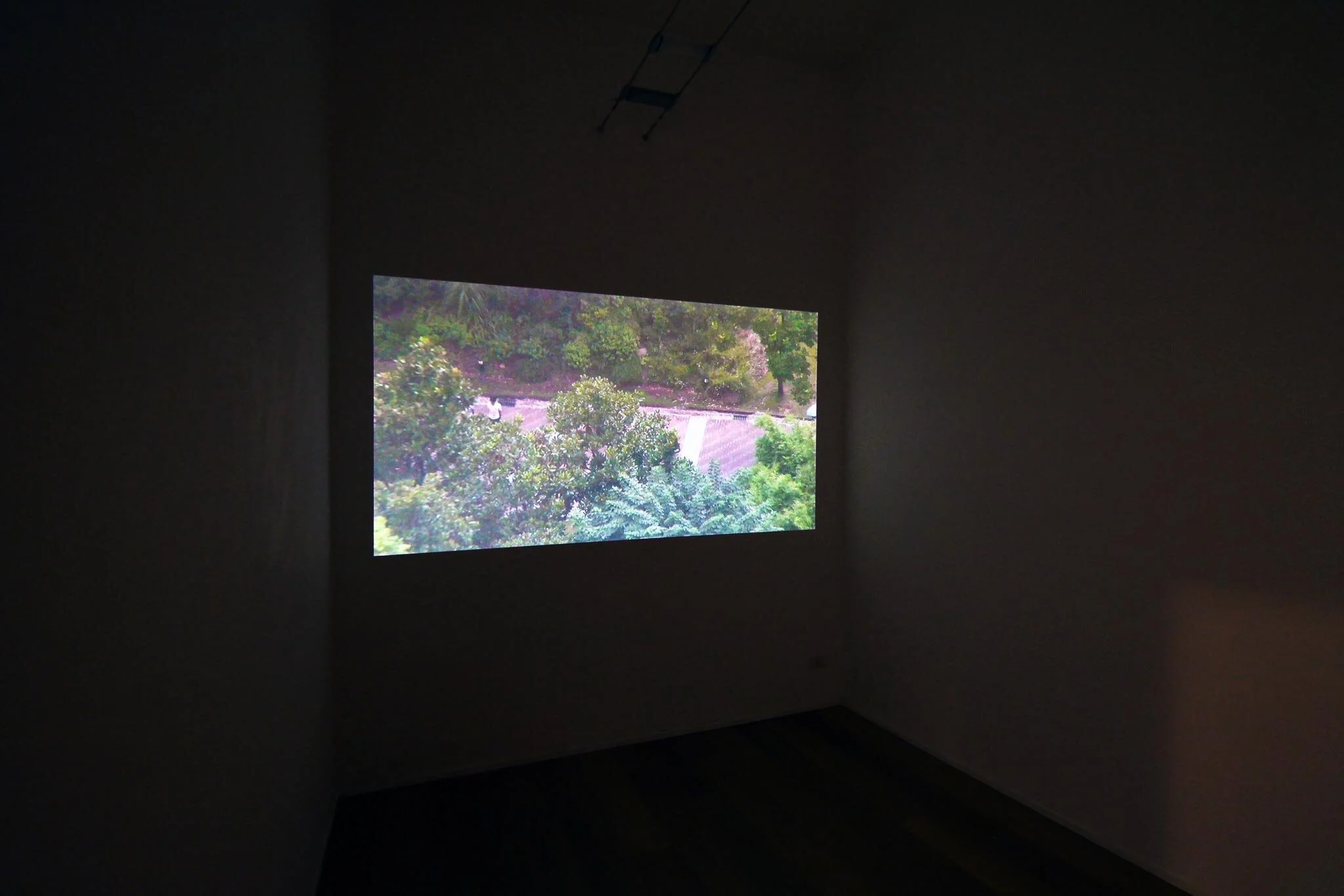
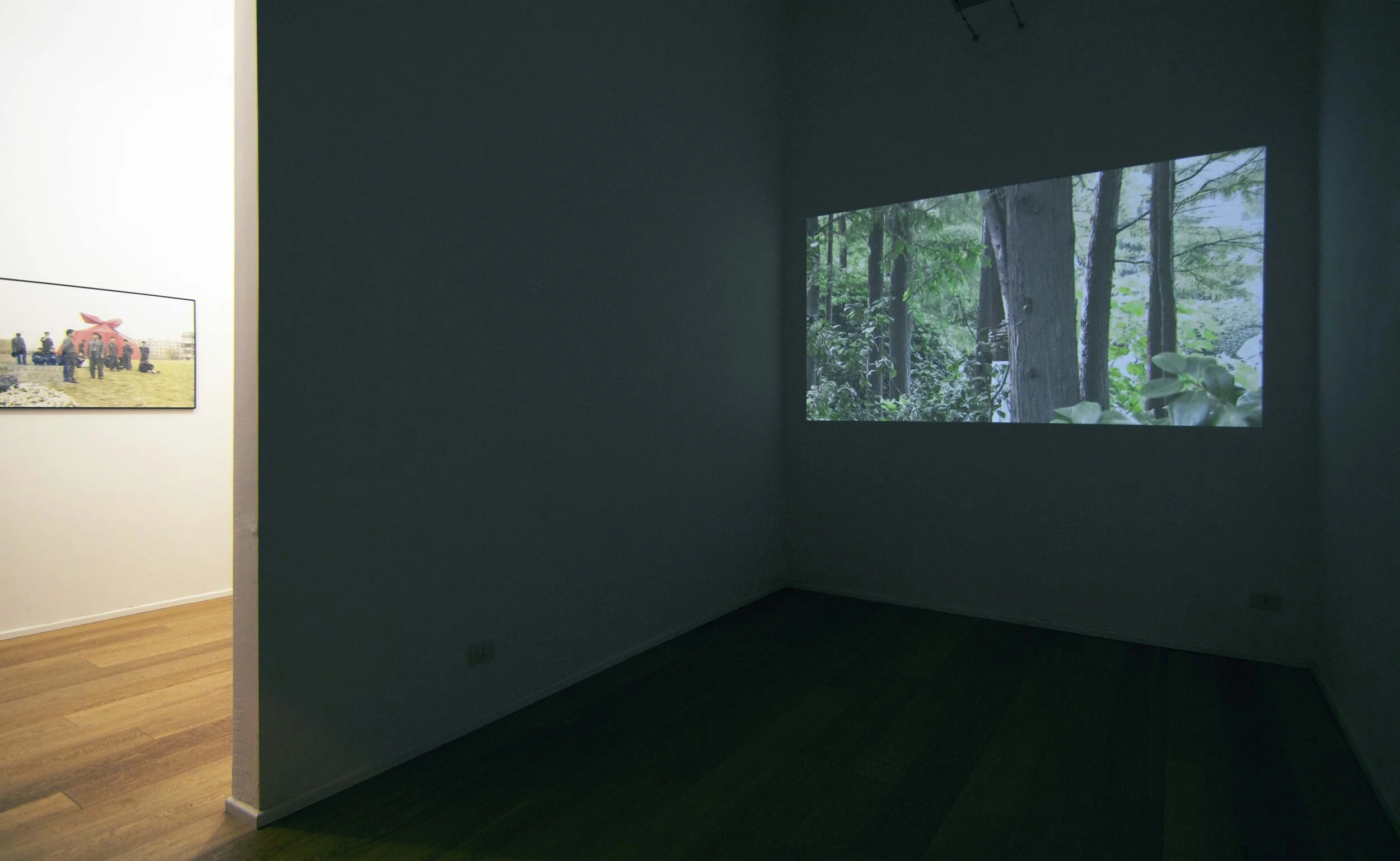
Filmed in Shanghai amid rapid urban redevelopment, Lilong observes the everyday gestures, rituals and social interactions displaced from traditional residential courtyards into the city's public parks. Through an ethnographic lens, the film explores how changes in the built environment reshape collective identity and the relationship between public and private space.
About the work.
The lilong is a traditional Shanghai housing typology characterised by narrow alleyways, shared courtyards and interconnected dwellings. These spaces once supported a distinctive form of communal life, blurring the boundaries between domestic intimacy and public activity.
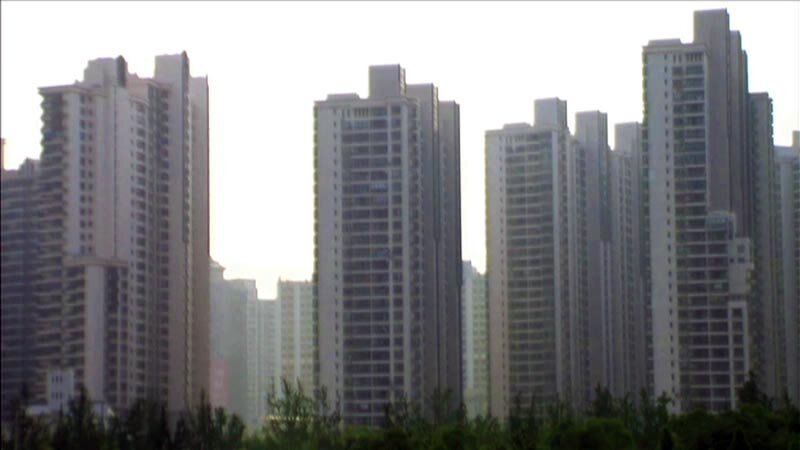
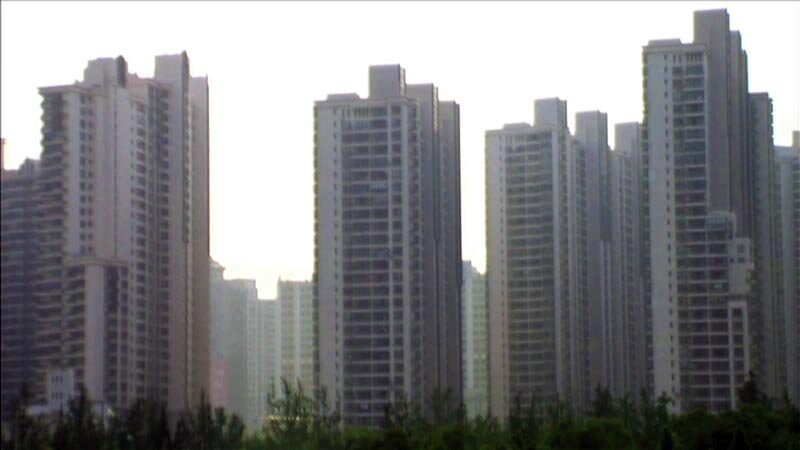
As Shanghai's rapid urbanisation replaces these neighbourhoods with high-rise developments, many of the social rituals associated with them find a new setting in the city's public parks.
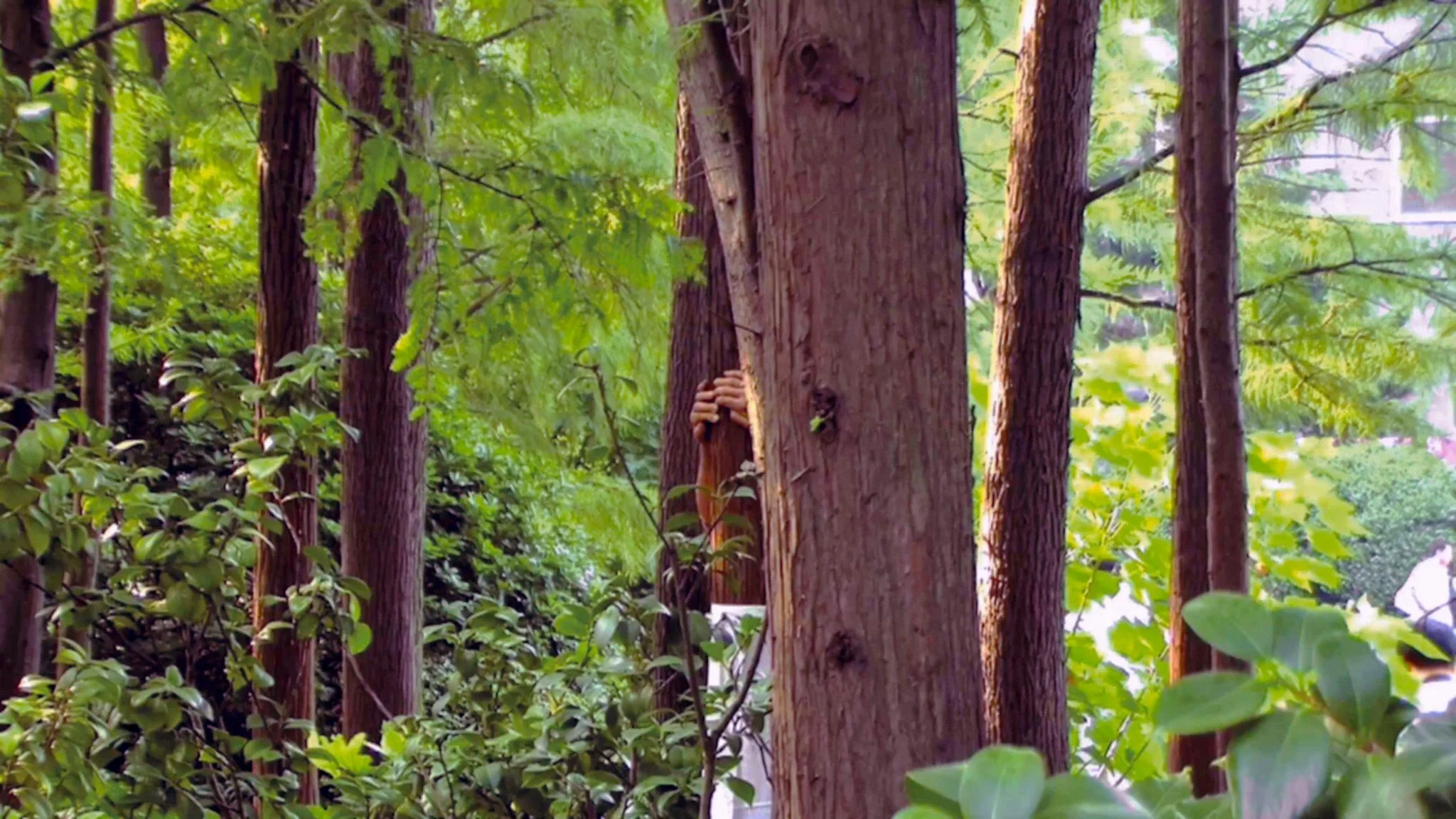
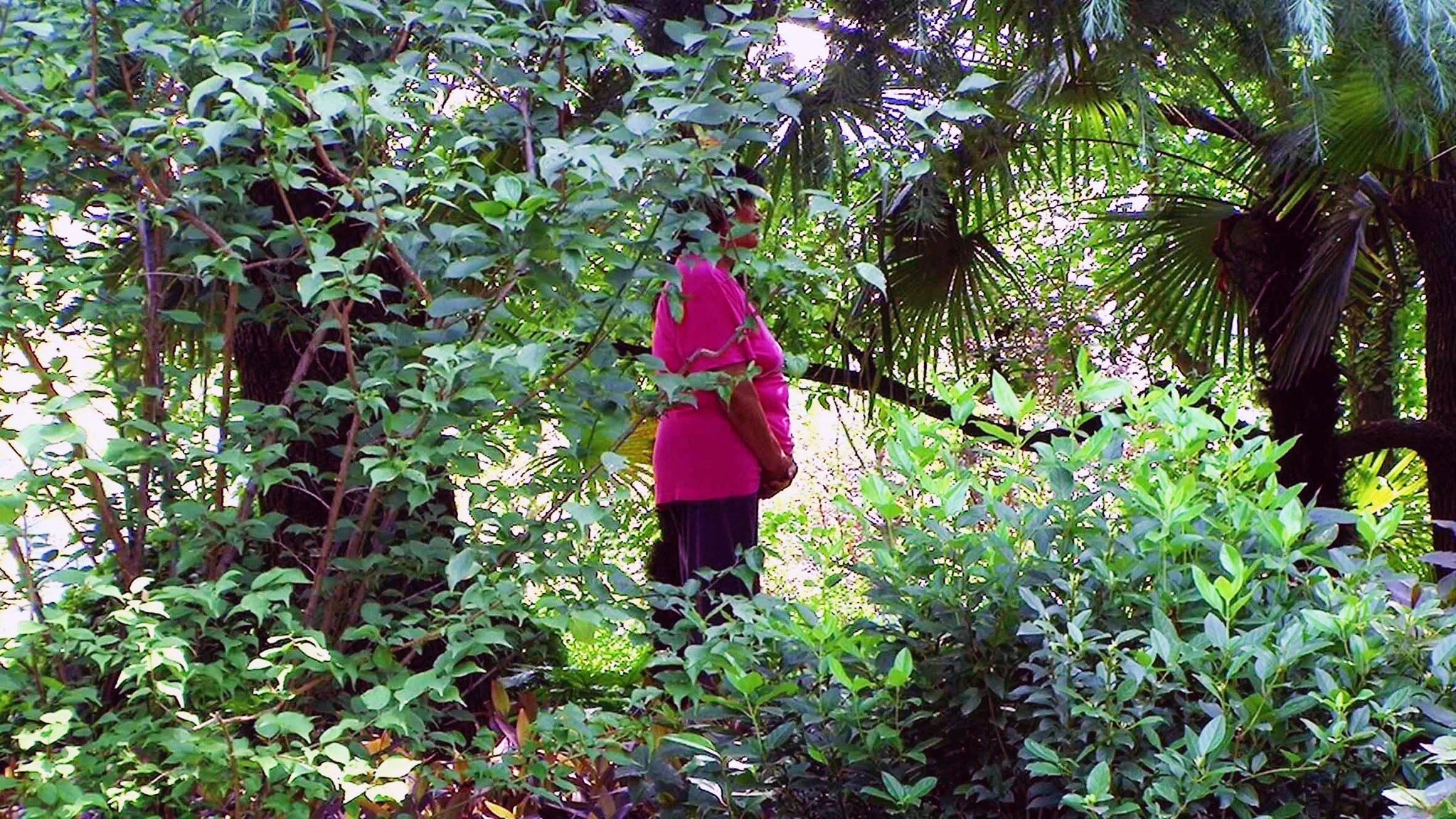
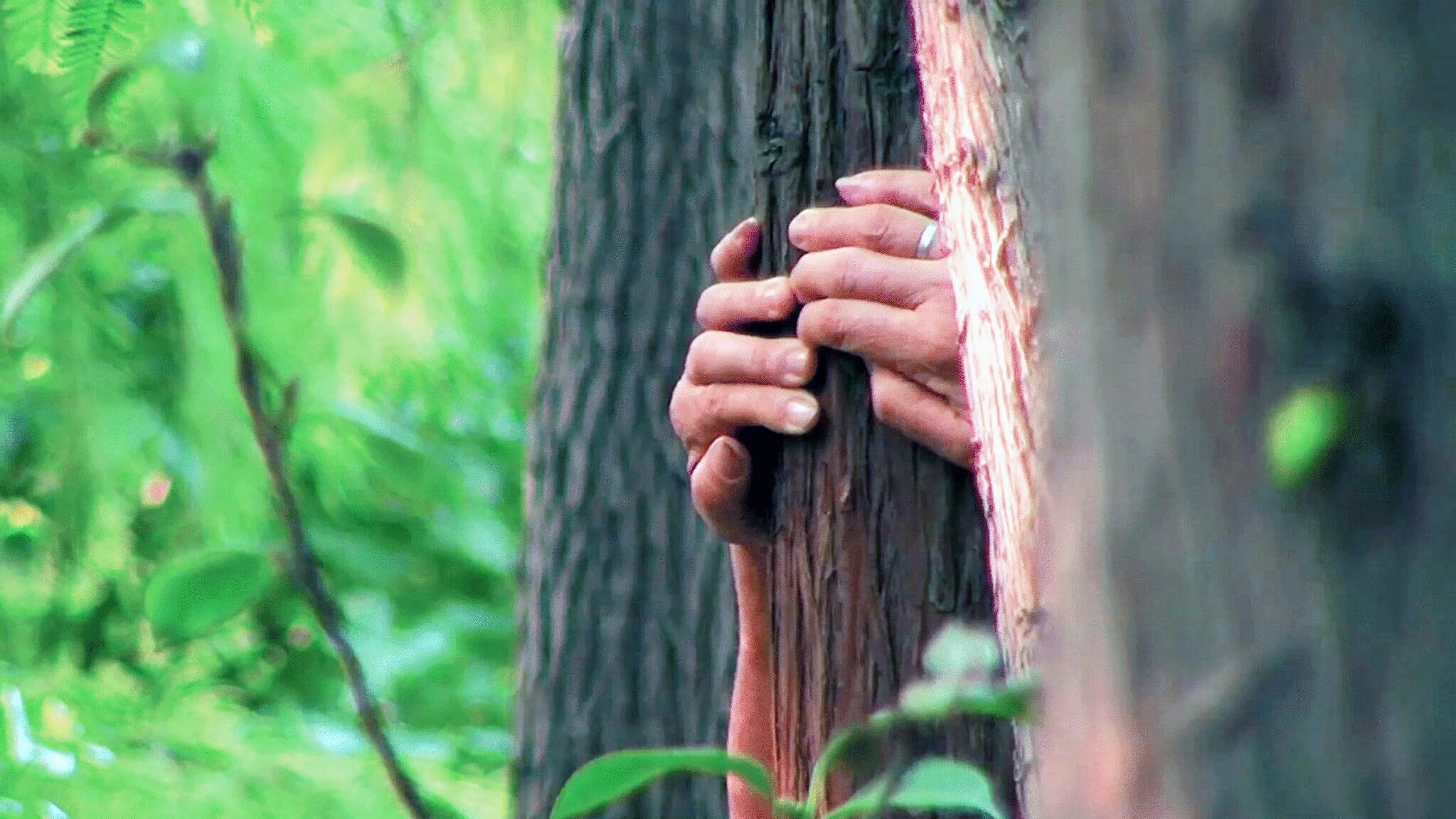
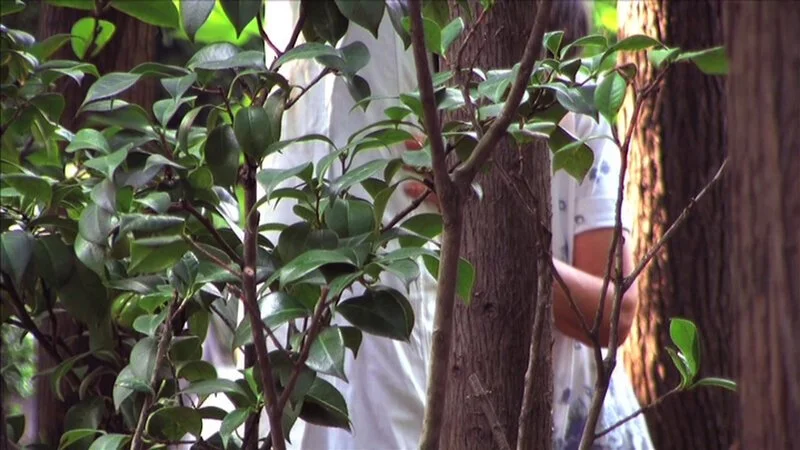
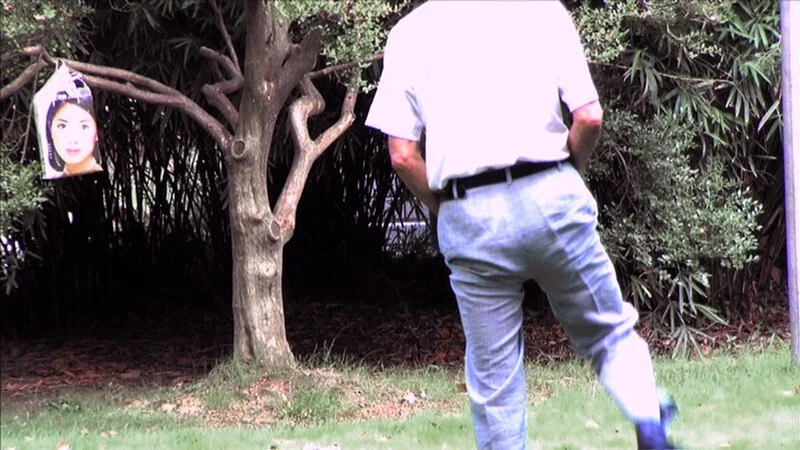
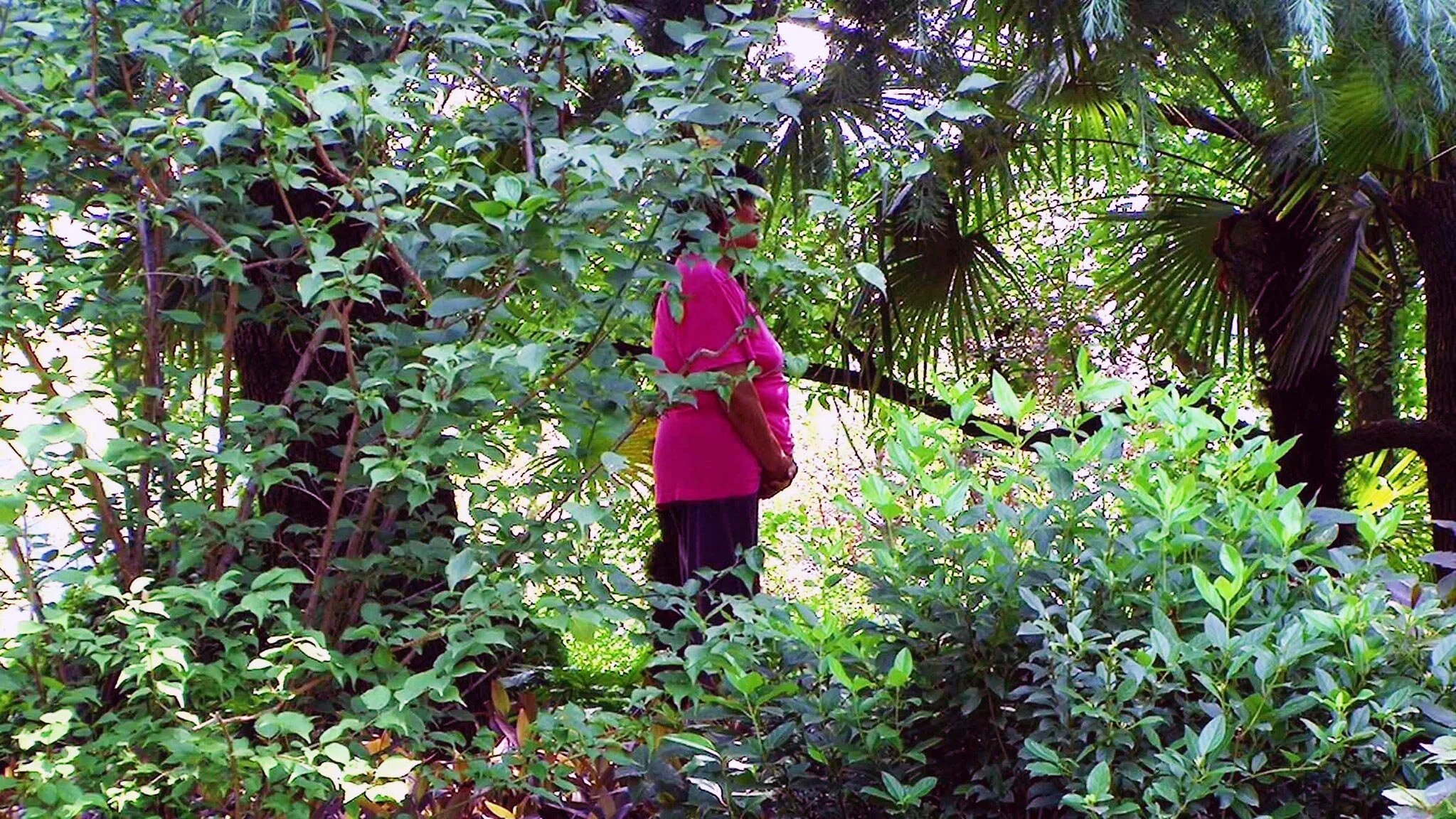
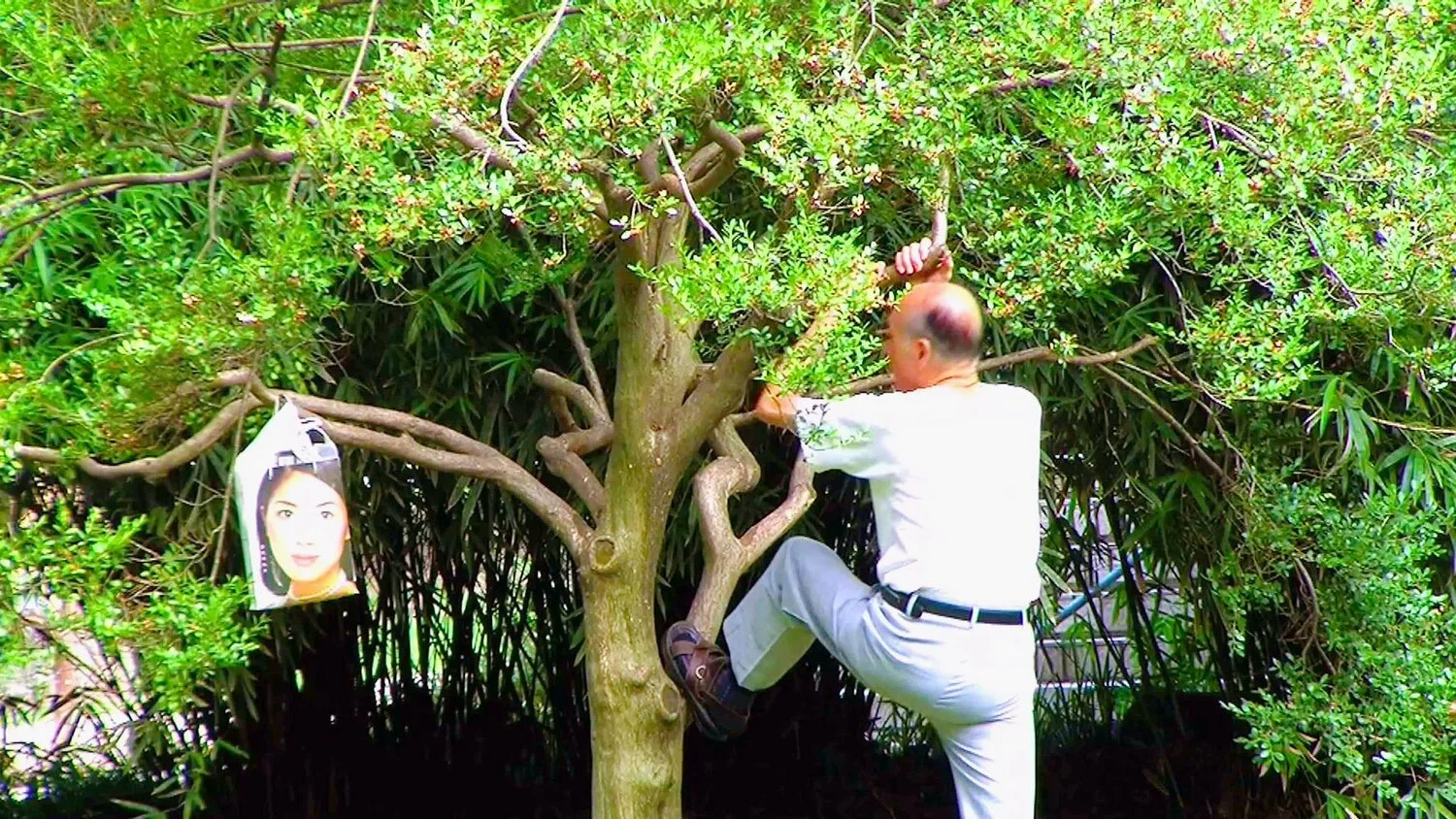
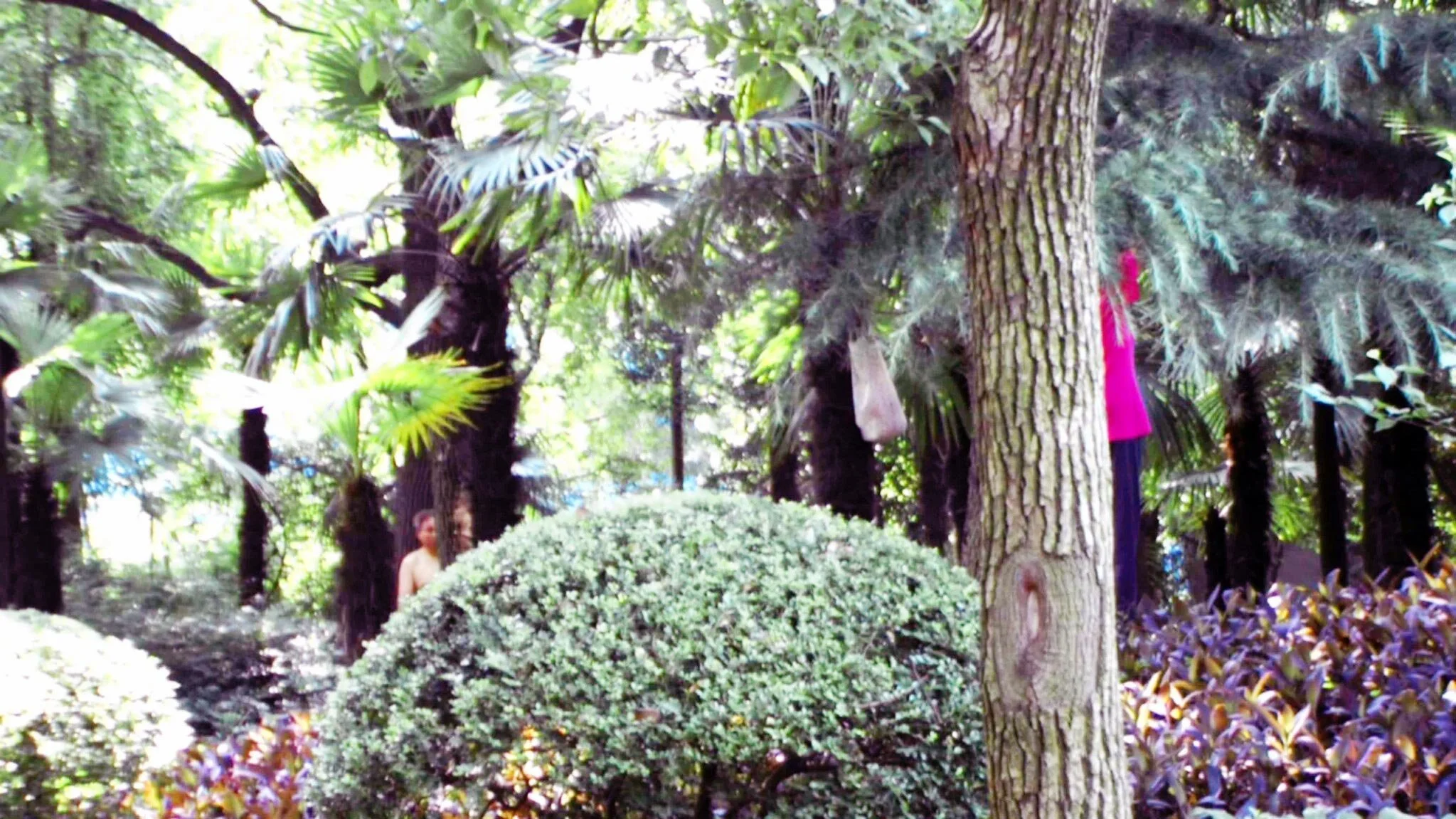
Filmed in People's Park, Lu Xun Park and a residential development near Moganshan Road, Lilong follows the repetitive gestures of elderly residents engaged in tai chi, singing, dance and collective exercise. Through a succession of individual portraits, these familiar activities become strangely ambiguous: movements once embedded in neighbourhood life emerge as isolated performances against the backdrop of an expanding metropolis.
The film reflects on the relationship between architecture, social behaviour and cultural memory, questioning what happens to collective identity when the spaces that sustain it are transformed or erased.
Creative process.
Developed from field research initiated during a residency at the China Academy of Art in 2008, Lilong uses observational documentary techniques to investigate Shanghai's changing urban geography.
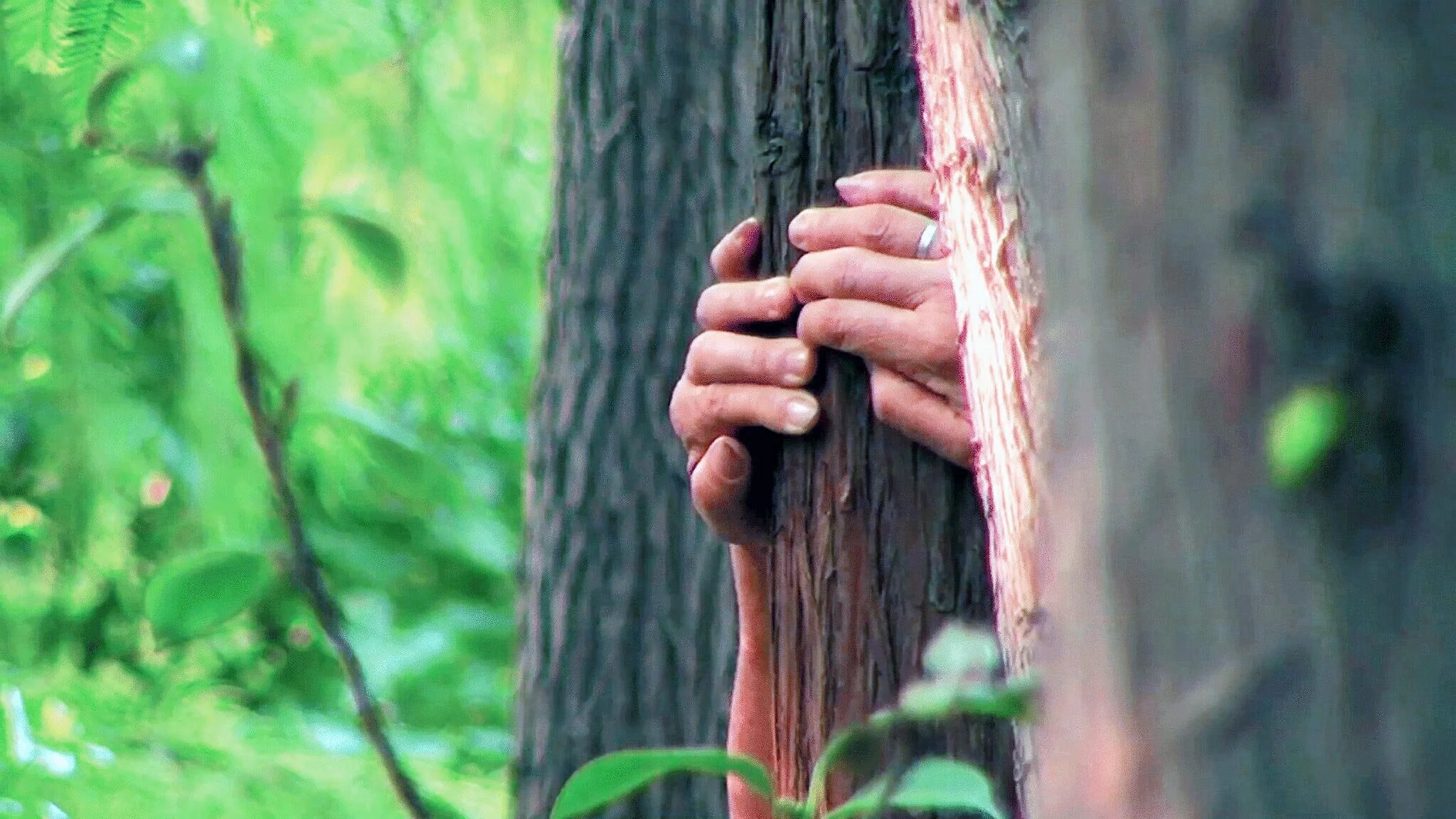
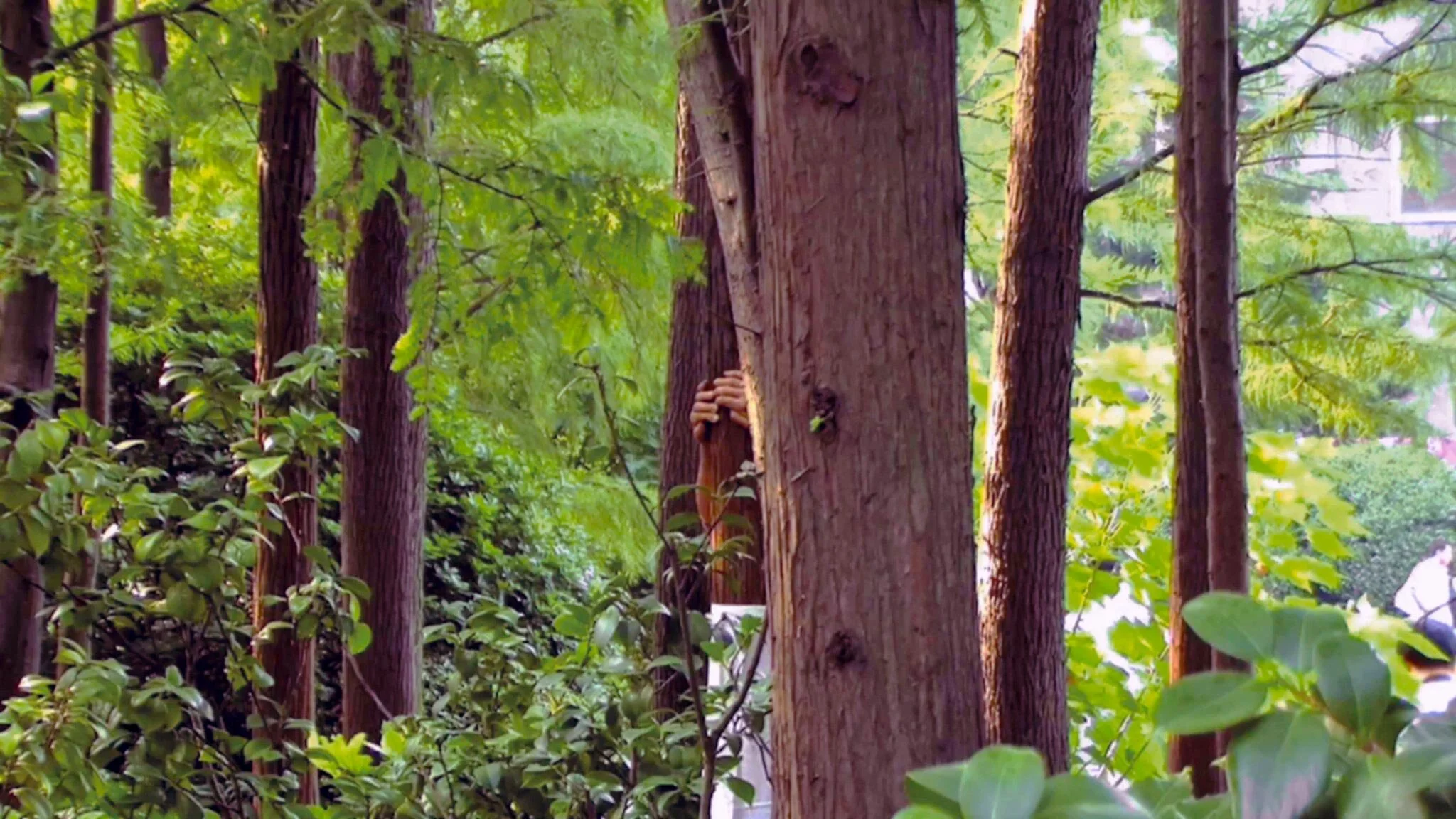
The film moves from close-up observations of vegetation and human gestures towards wider views of parks, residential developments and the city's skyline. Its non-linear editing and fragmented soundscape create an uneasy relationship between the intimacy of individual movements and the monumental scale of urban transformation.
Rather than offering a straightforward documentary account, the work questions the act of observation itself, revealing the ambiguity of the ethnographic gaze.
PROJECT DETAILS.
Year: 2009
Medium: Experimental documentary, HD digital video
Location: Shanghai, China
Concept, filming and editing: Valentina Ferrandes
Research: China Academy of Art residency, 2008
Curatorial text: Fiona McDonalds on Artribune
Screener: Watch film
EXHIBITIONS. SCREENINGS
2011 Renaissance Art Prize. London. Italian Cultural Institute
2010 Salon Video Prize. Matt Roberts Arts Gallery. London
2012 Ethnographic Terminalia 2011: Montreal Eastern Bloc Centre for New Media and Interdisciplinary Art Montreal. Canada
Lilong - Galleria Murat 122 - Bari - IT curated by Fiona McDonald
25th European Media Art Festival - Osnabrueck - DE screening curated by Florian Wuest
2011 The Heroism of Vision - Italian Cultural Institute - London - UK
Souvenirs from Earth - Satellite TV Broadcast - FR - DE
Facade Video Festival - Center for Contemporary Art - Plovdiv - PL
Blind Spot Skopje - Creaktive Cultural Centre - Skopje - Macedonia
2010 China: An Interpretation - Chelsea College of Art and Design London Salon Video Prize - Matt Roberts Project Space - London - UK
2009 Streaming Festival - La Hague - NL
2009 Nama.tre Part III - Gallery of Fine Arts Academy Trebinje, Open Air Cinema and Town Theatre of Trebinje - Trebinje - Bosnia and Herzegovina
2009 Duration: London - Candid Arts Trust - London - UK
Other projects

Travelogue. Exp. Documentary. 2018

Other Than Our Sea. Exp. Docu. 2015
The Oyster Effect. Experimental Docu. 2010
Berg. Experimental Docu. 2013