

Immersive moving-image installation · Real-time 3D environment · Research & Development, 2026
ARCHAEA
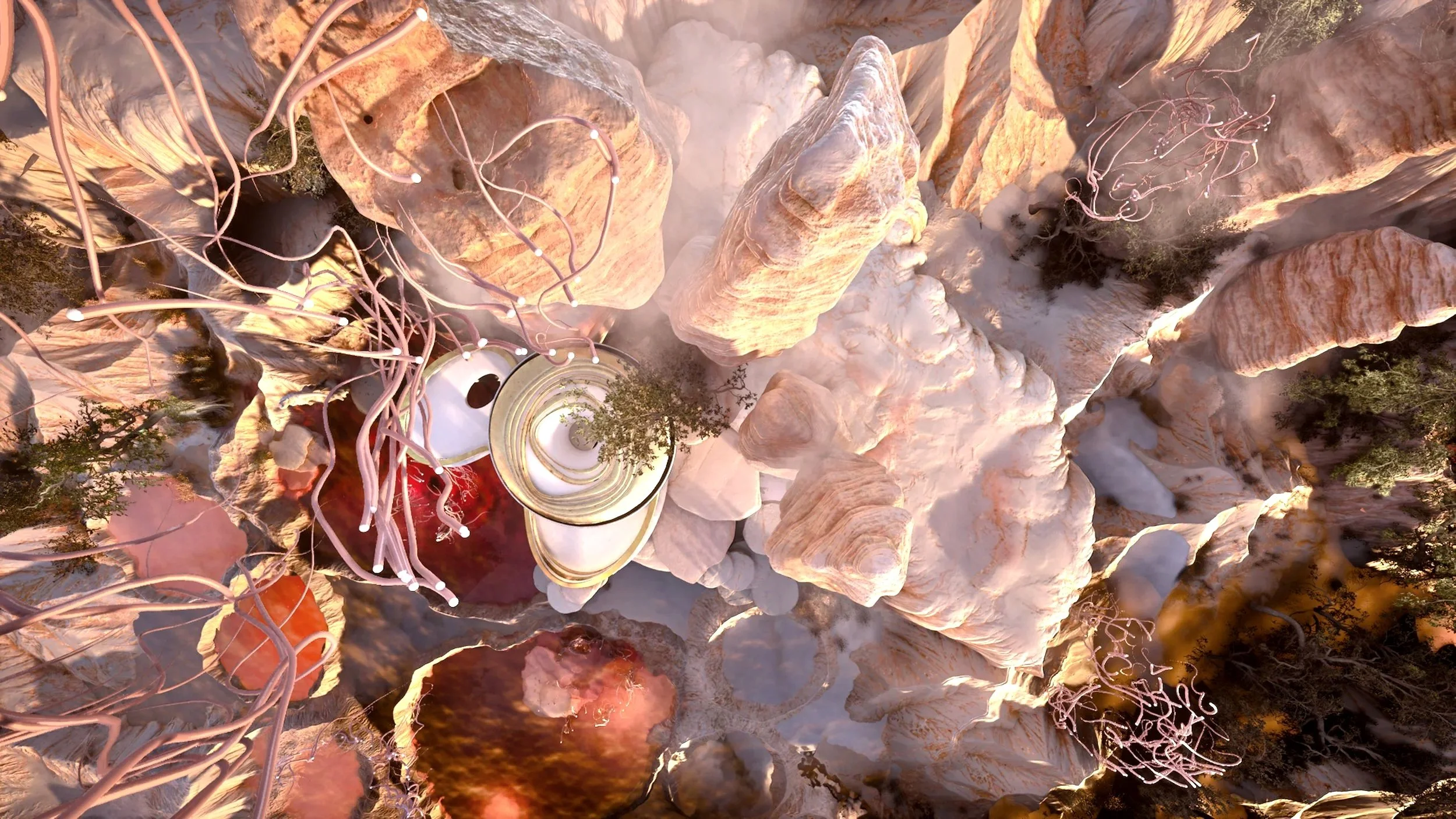
Life is usually pictured at human scale: bodies, forests, species we can name and recognise. Archaea begin somewhere smaller, older, and more difficult to perceive, in the microbial life of hypersaline landscapes of Margherita di Savoia, Southern Italy, where excess heat, salinity, and evaporation push familiar freshwater ecologies to their limits.
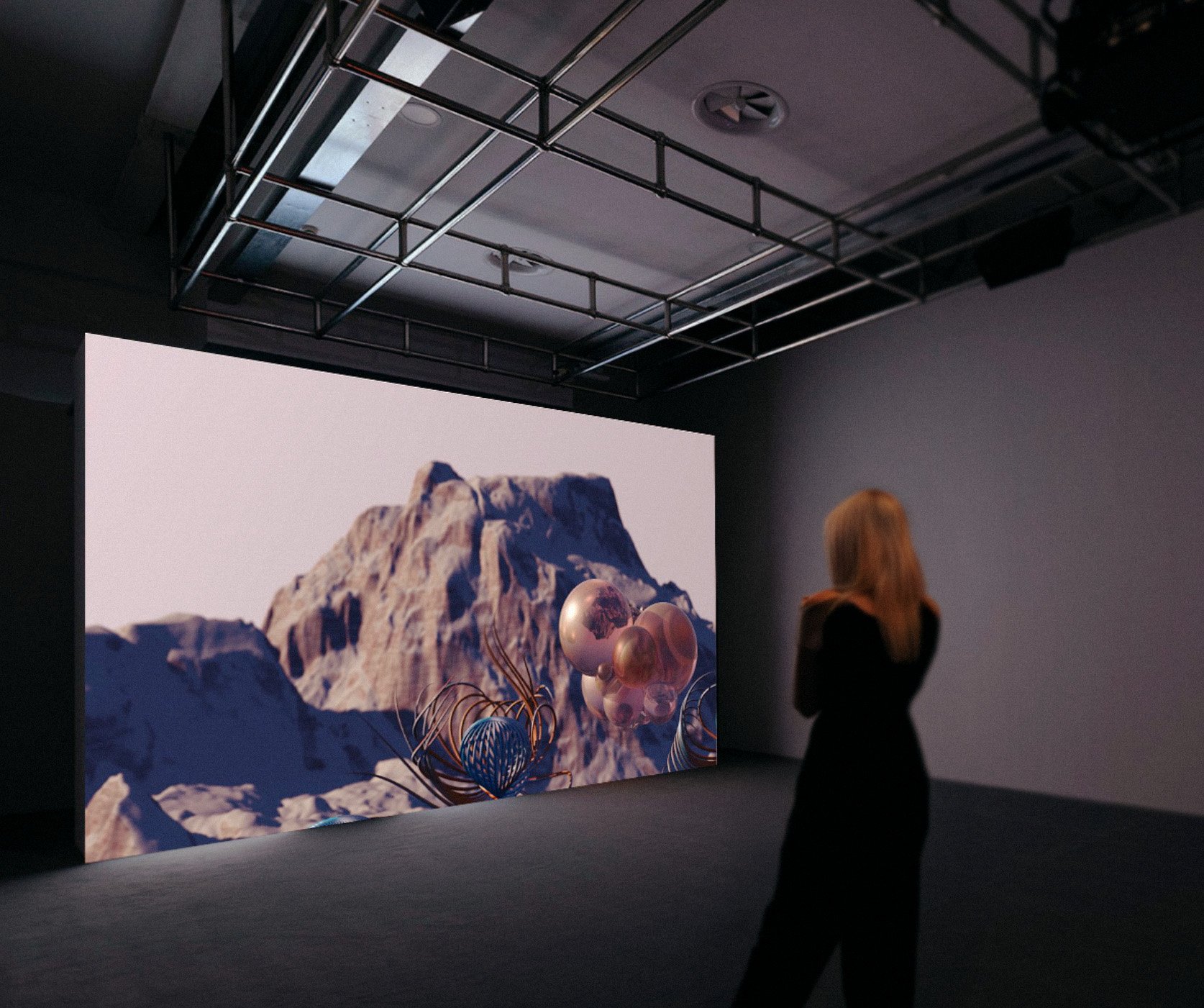
Archaea are microorganisms belonging to one of the oldest domains of life on Earth. Their presence is rarely visible directly; instead, it registers through shifts in colour, as gradients of pink, violet and red spread across landscapes where microbial activity would otherwise stay hidden. Real-world scanning and environmental data form the basis of a reconstructed world positioned between fiction and documentation. Photogrammetry captures elements of the salt ponds and their surrounding terrain, while procedural systems translate salinity, heat, evaporation and microbial activity into colour, movement, rhythm and atmosphere. The work shifts perception toward a microbial scale, imagining what a post-human Earth might feel like from the perspective of life that was here long before us.
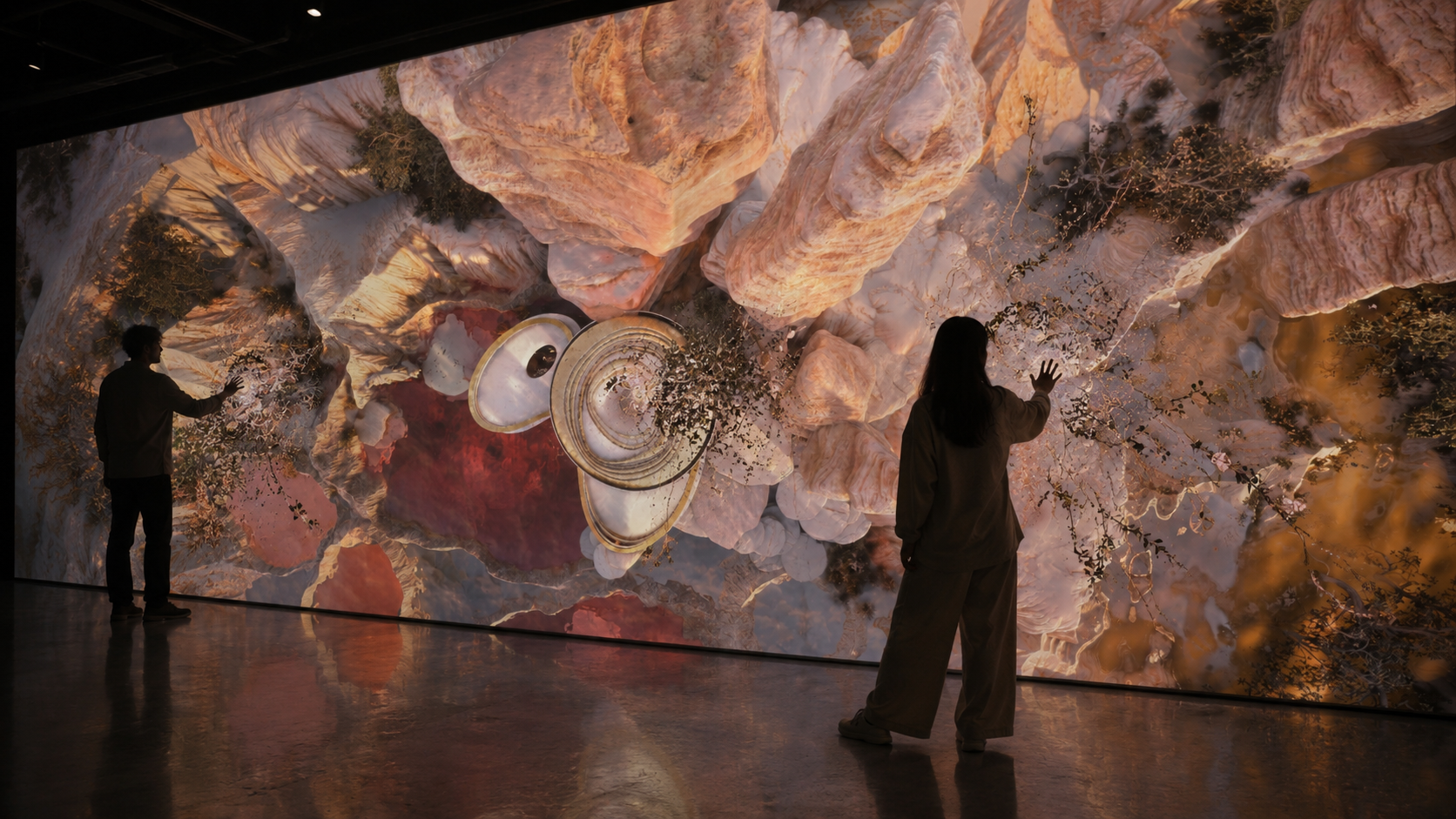
Interactive installation - Concept
About the work
Archaea begins in the salt pans of Margherita di Savoia, on the Southern Italian coast. Here, extreme salinity, heat and evaporation create conditions in which specialised microbial communities flourish, giving rise to the vivid colours of the landscape. Inspired by the Purple Earth hypothesis, which proposes that microbial pigments may once have given early Earth a different colour, the work imagines a planetary history beyond human perception.
Through a fictional first-person narration, an ancient microorganism becomes the protagonist of a world shaped by adaptation, environmental change and deep time.
Moving between scientific observation and speculative fiction, Archaea explores resilience beyond the human scale, asking what these ancient forms of life might reveal about survival on a changing planet.
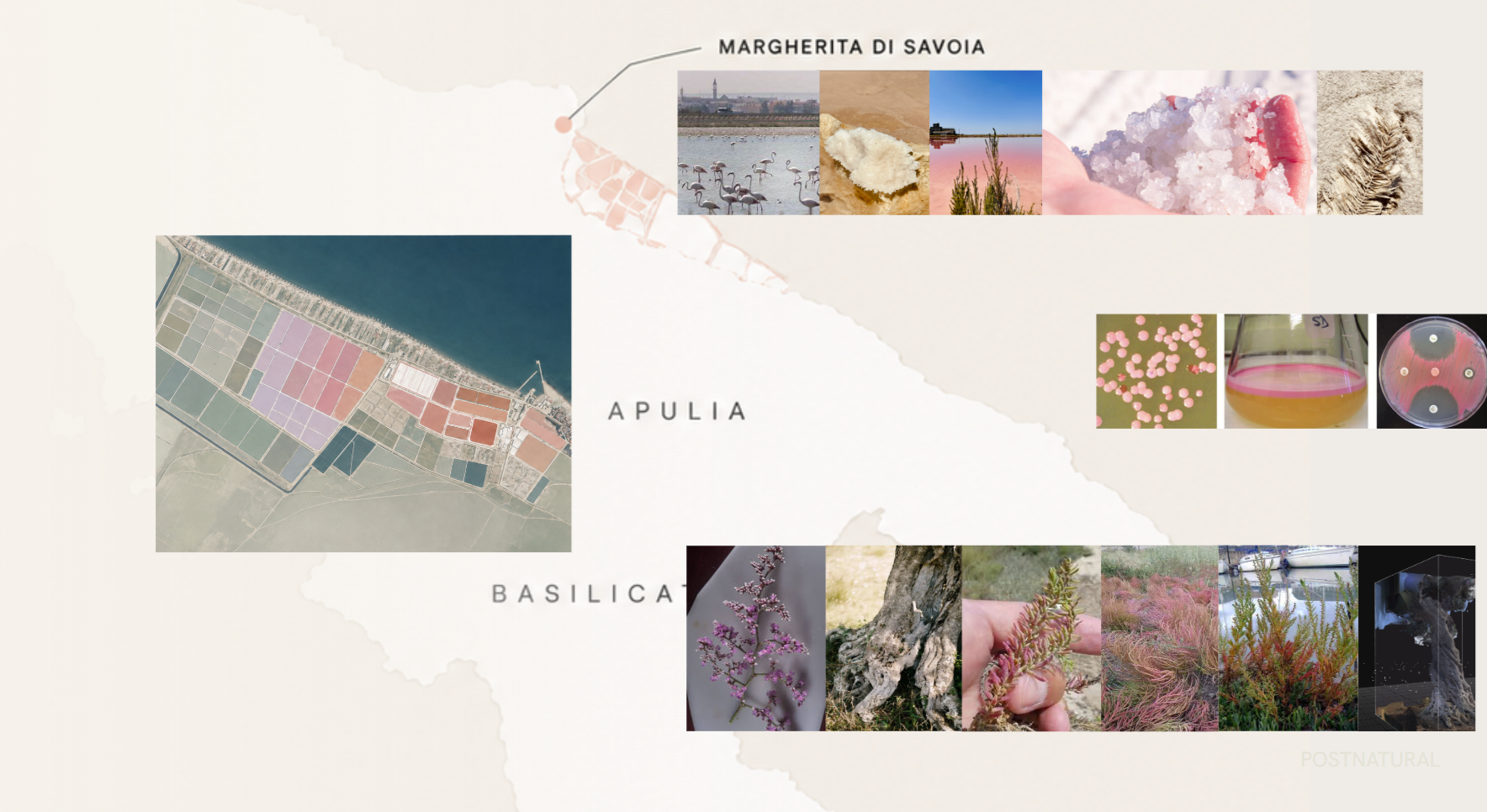
Field Research & Methodology
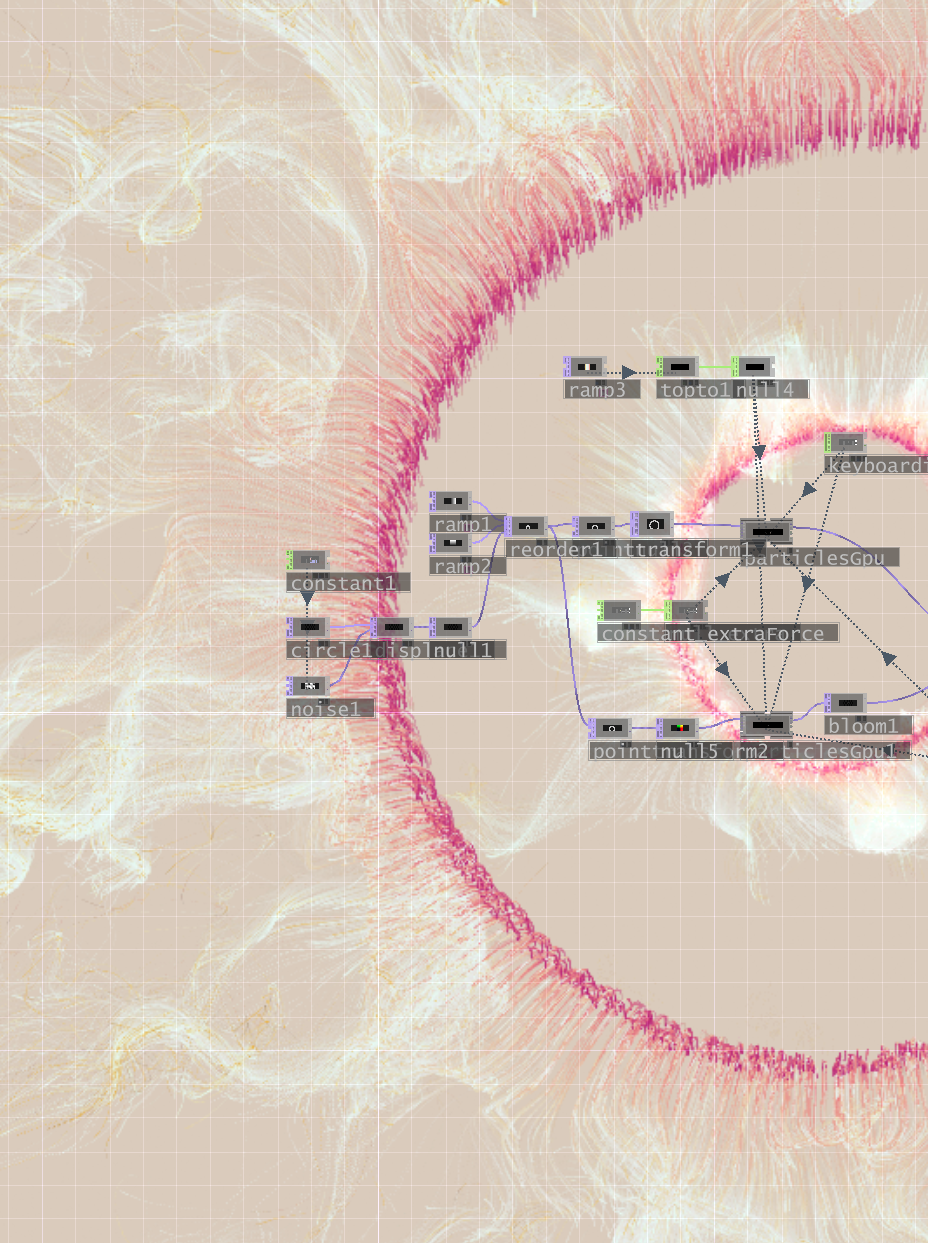
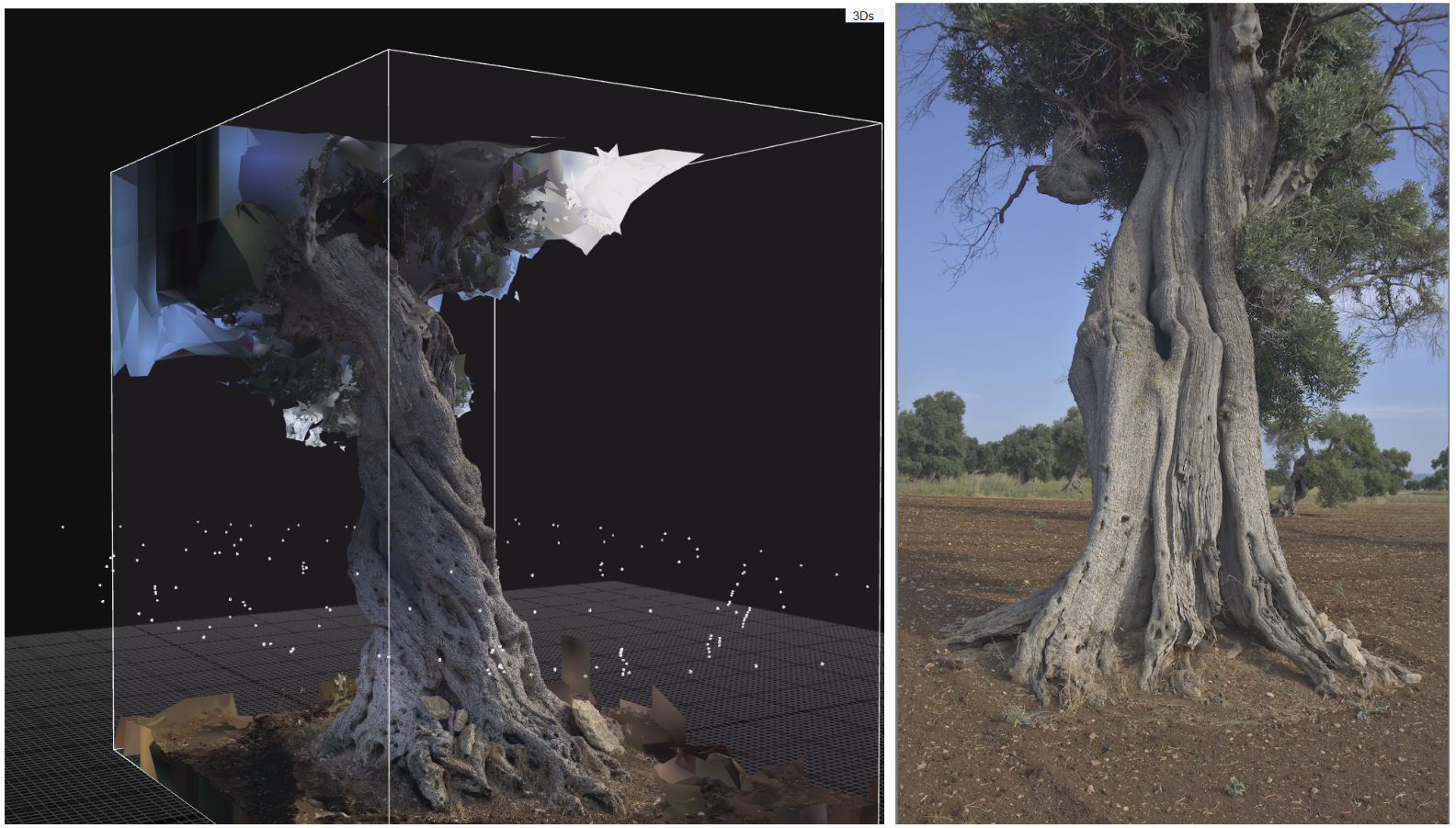
Archaea develops a sensorial methodology for translating environmental conditions into moving image and spatial experience. Field observation, photogrammetry, colour studies and research into Mediterranean saltscapes are brought together within a real-time environment built in Unreal Engine.
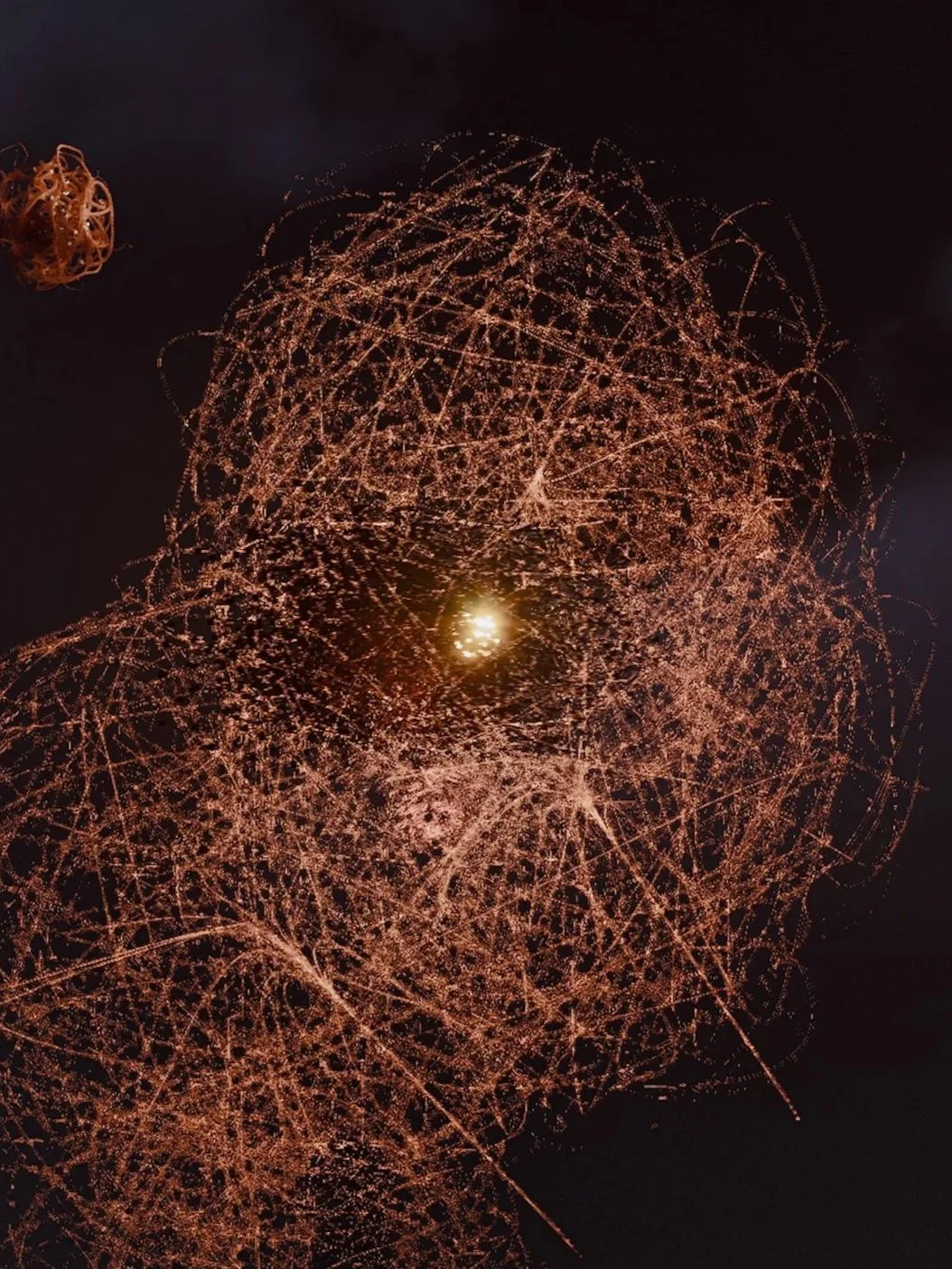
Environmental datasets, including Copernicus Marine Service salinity records from the Apulian coastline, become compositional material. Changes in water conditions inform colour, atmosphere, density, movement and rhythm, allowing the environment to behave as a shifting ecology. Microbial forms gather, disperse, cluster and dissolve. Surfaces become unstable, while scale moves between landscape, organism and particle.
Sound creates another layer of environmental perception. Recordings from the BBC Sound Effects Archive are combined with field recordings to evoke heat, sediment, pressure, water and deep time. A synthetic first-person voice emerges from within the microbial world, speaking across a timescale in which human presence is brief and partial. Through moving image, spatial sound and responsive systems, Archaea invites viewers to encounter the landscape from within a more-than-human ecology.
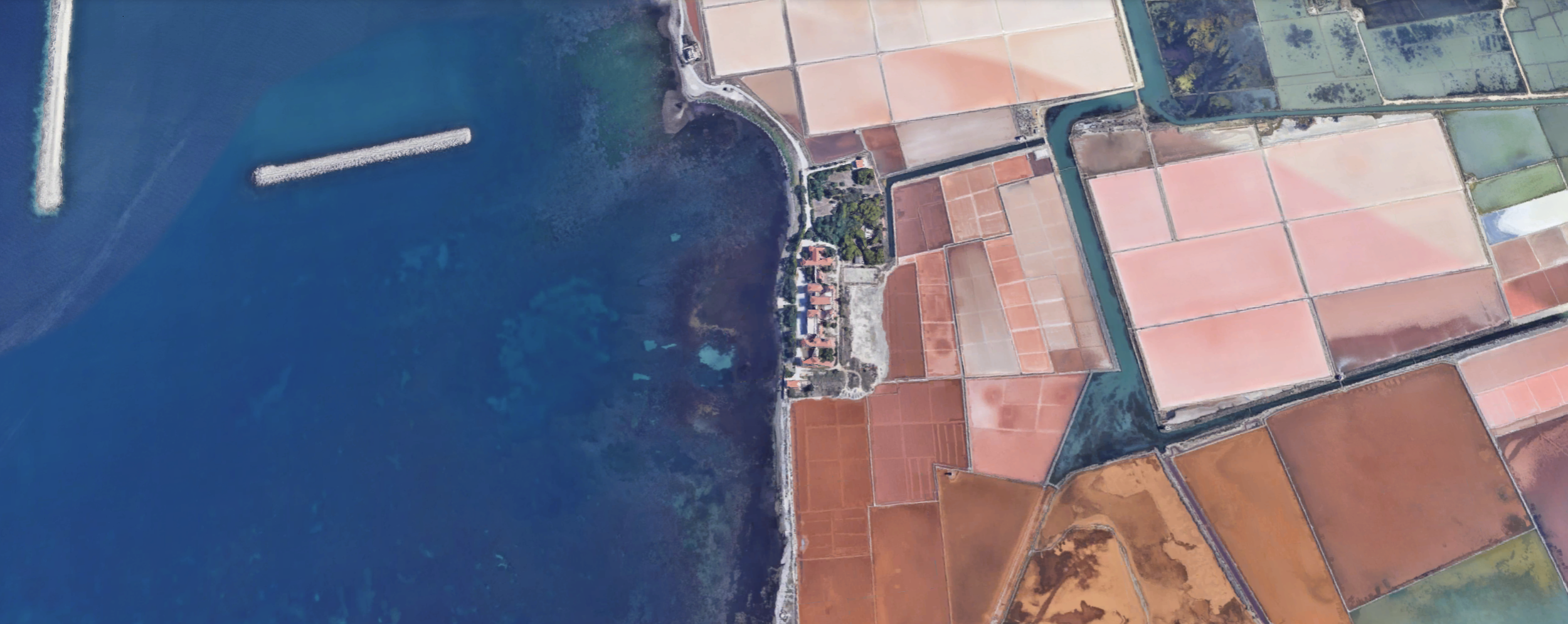
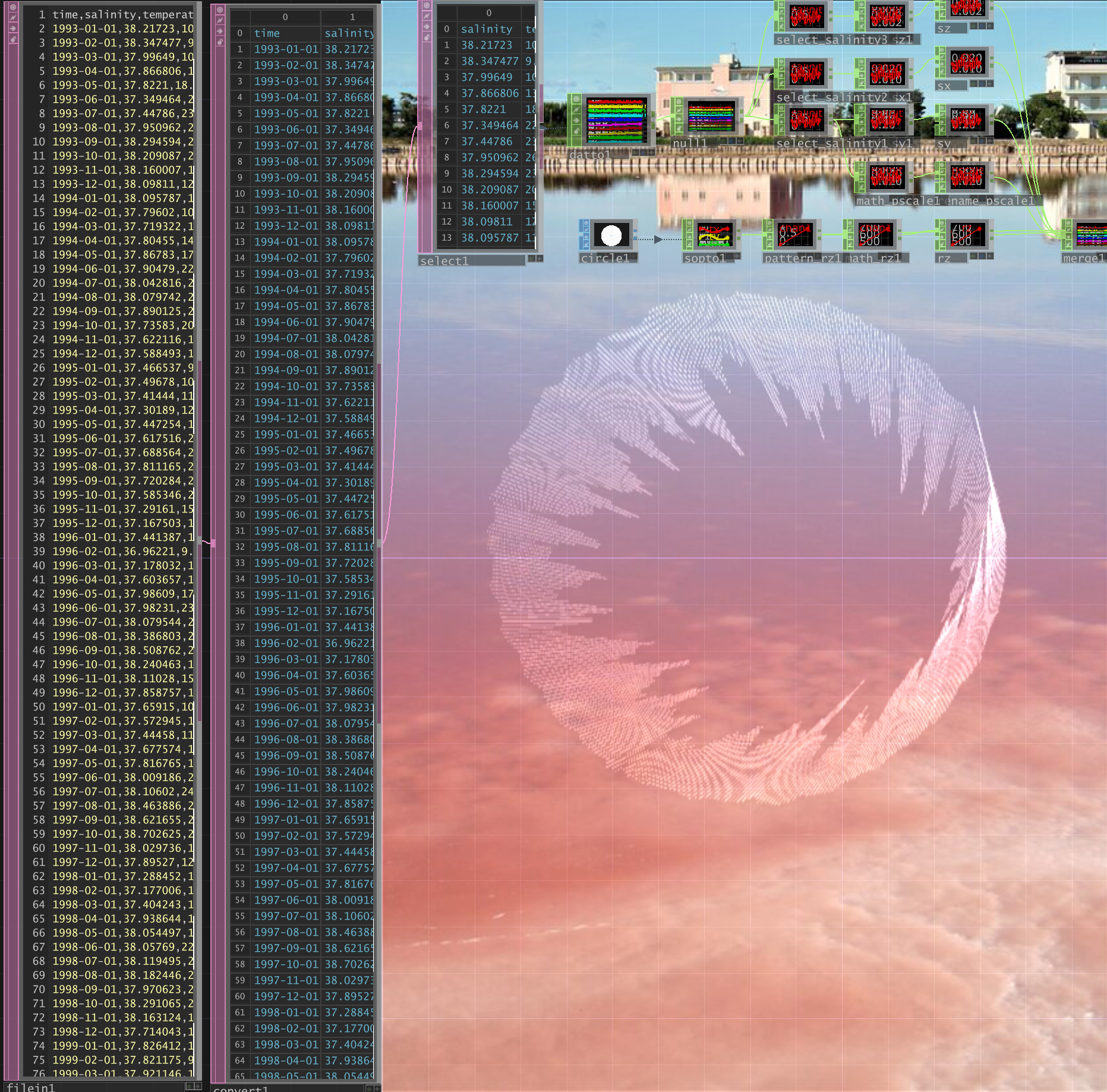
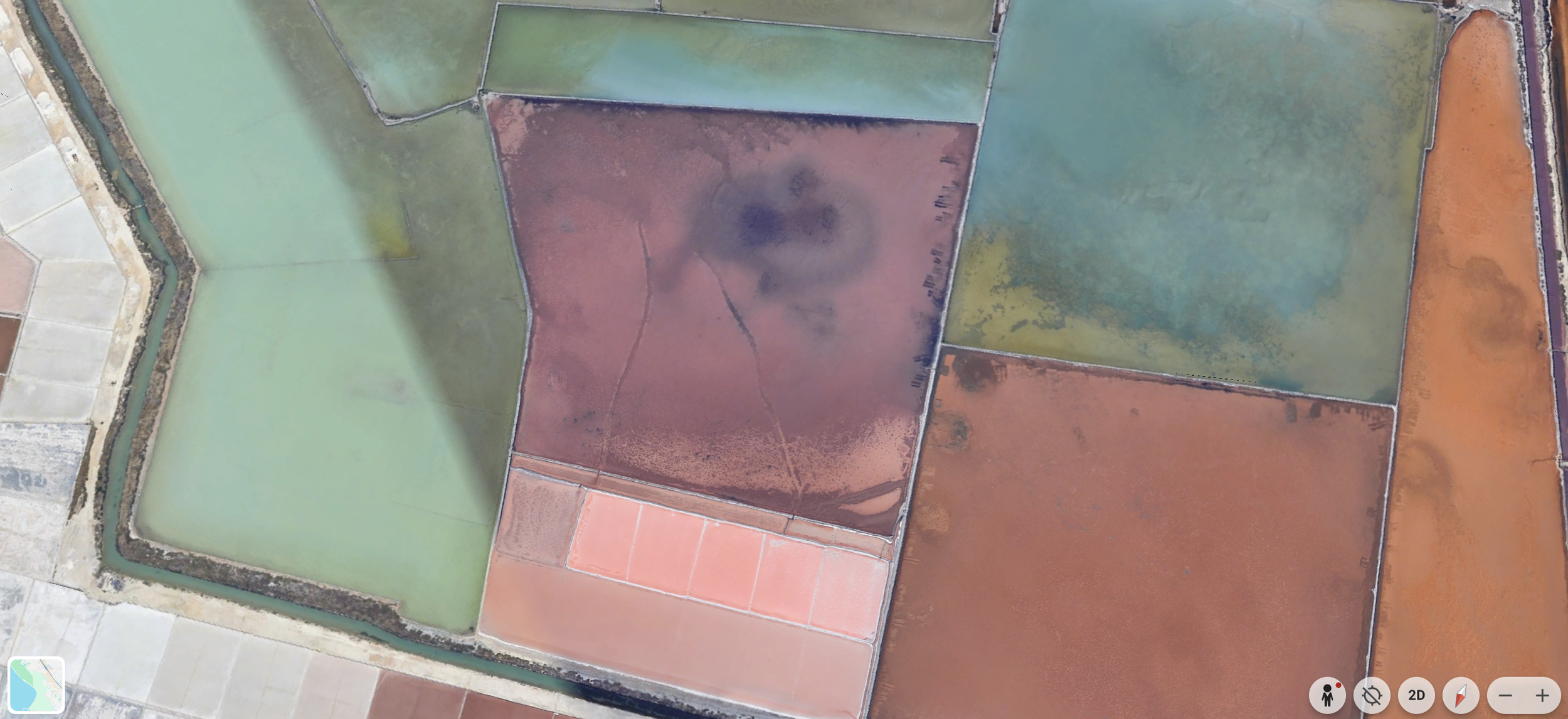
Research and development
The first phase produced a real-time environment prototype, a photogrammetry workflow, procedural terrain, water and atmospheric systems, an initial script and a one-minute audiovisual teaser.
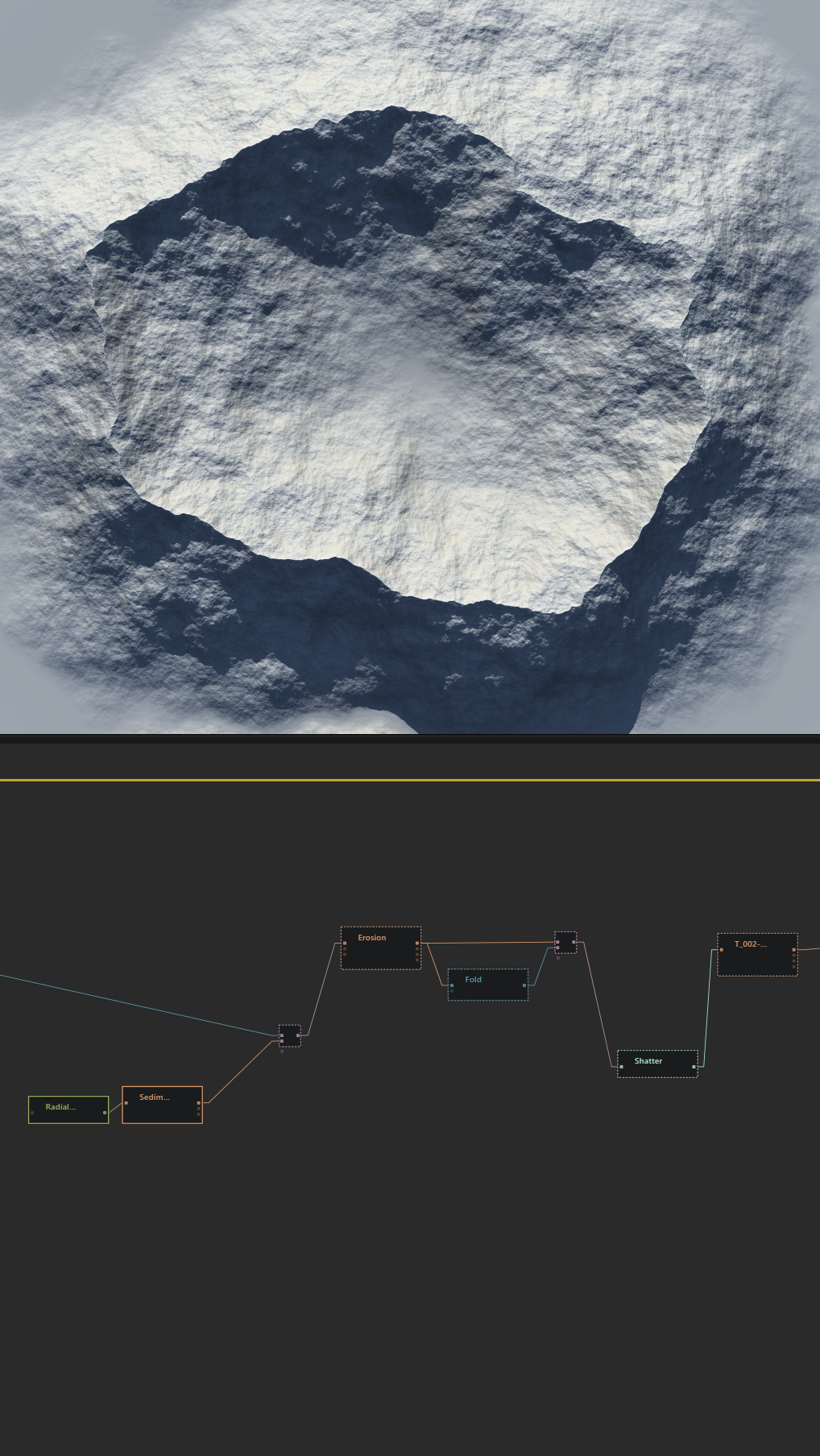
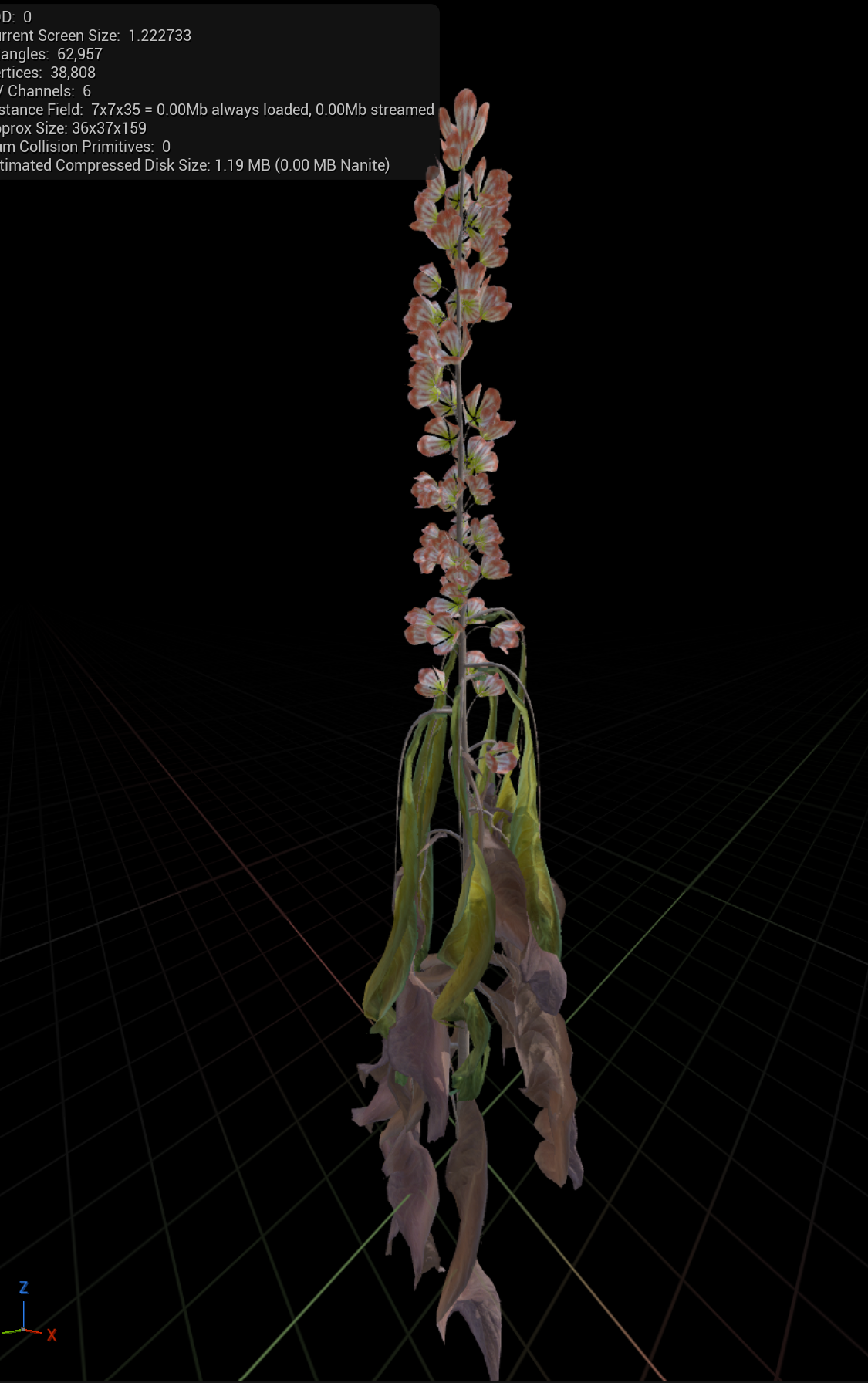
Field research and on-site material feed a real-time production pipeline using Unreal Engine, terrain-erosion tools, Niagara and fluid systems. Photogrammetry records the mineral, biological and botanical textures of the salt pans, while procedural methods allow the reconstructed environment to shift and reorganise in response to ecological parameters. A synthetic archaeon narrator, developed with ElevenLabs, voices the work from a non-human perspective.
The next phase will extend the field research to further saline environments and develop the relationship between environmental change, microbial behaviour, sound, voice and audience presence.
The project is being developed with scientific advice from Professor David Paterson, Executive Director of the Marine Alliance for Science and Technology for Scotland, and through research exchange with the University of Brighton.
Project details
Status: Research & Development, 2026
Medium: Real-time 3D environment, CGI, procedural animation, moving image and sound
Research location: Margherita di Savoia, Southern Italy
Core tools: Unreal Engine, RealityCapture, Houdini, Gaea, Niagara
Research methods: Fieldwork, photogrammetry, environmental data visualisation, ecological research
Existing outputs: Real-time prototype, audiovisual teaser, research documentation
Proposed formats: Immersive installation, large-scale projection, LED environment, dome or single-channel moving image
Collaborations
Archaea is open to collaborations with immersive producers, cultural institutions, environmental scientists and creative technologists interested in developing the work into a spatial experience.
For research partnerships, production enquiries and commissioning opportunities:

Other projects
Bloom
Daaphne