

MULBERRY.
MULBERRY is an immersive art project exploring the intricate relationships between mulberry trees, silkworms and human cultivation. Drawing on the ecological and cultural history of silk production in China, the work imagines a speculative environment where biological processes, labour and technology become part of an interconnected living system.
About the work.
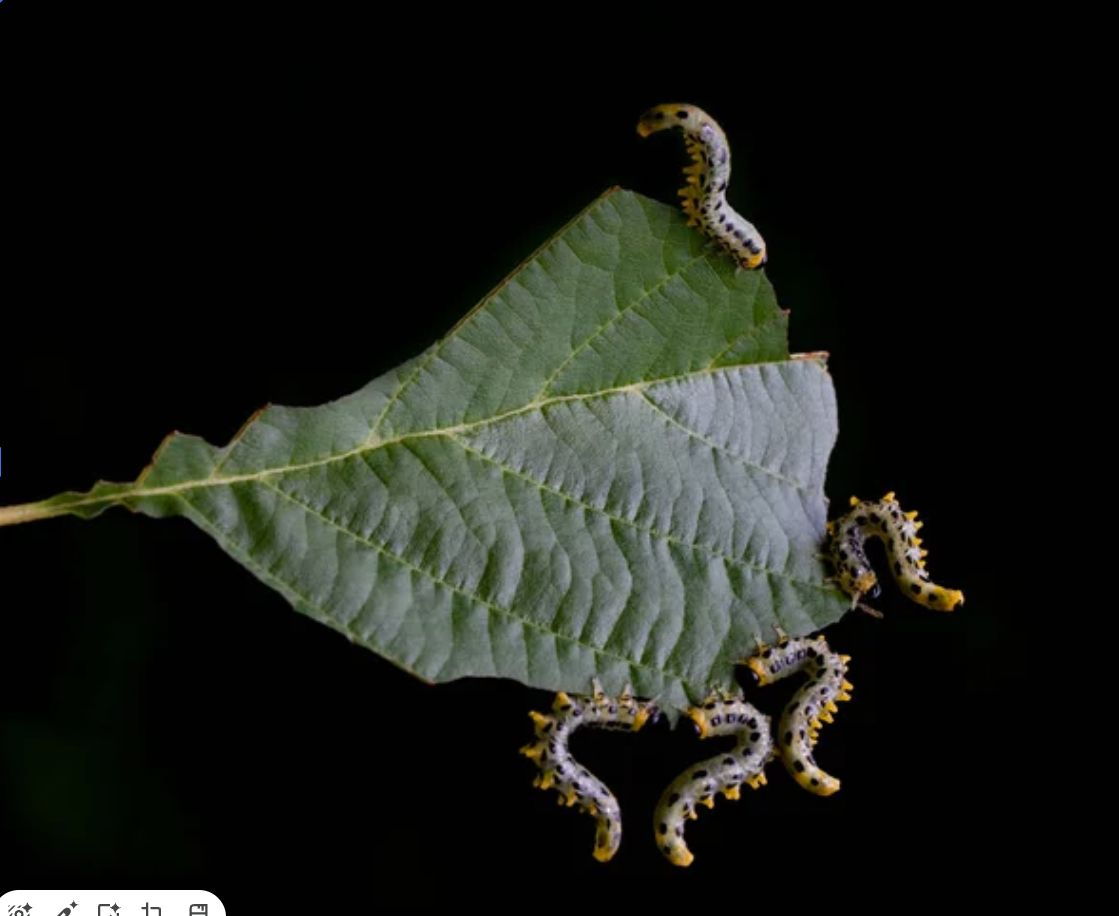
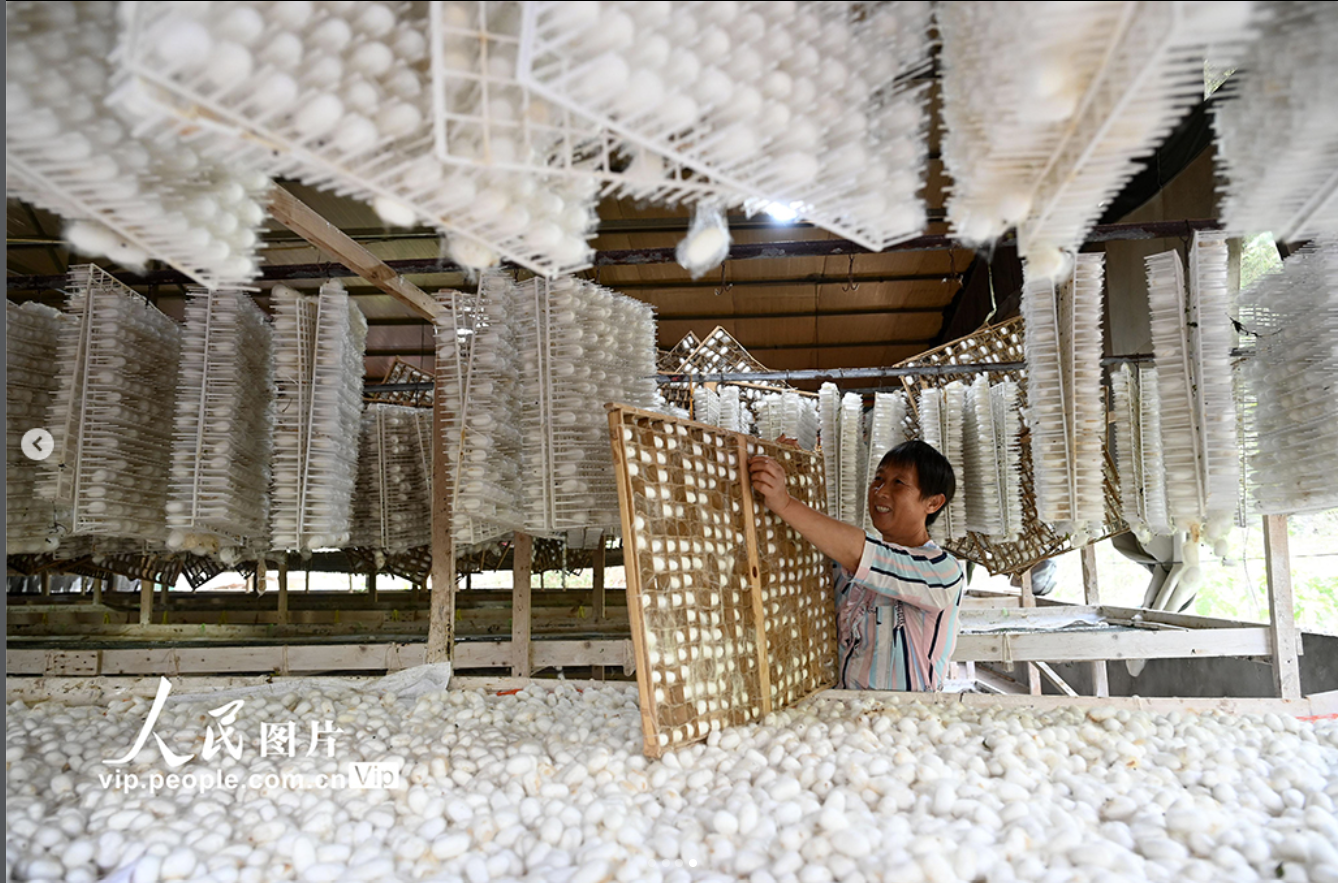
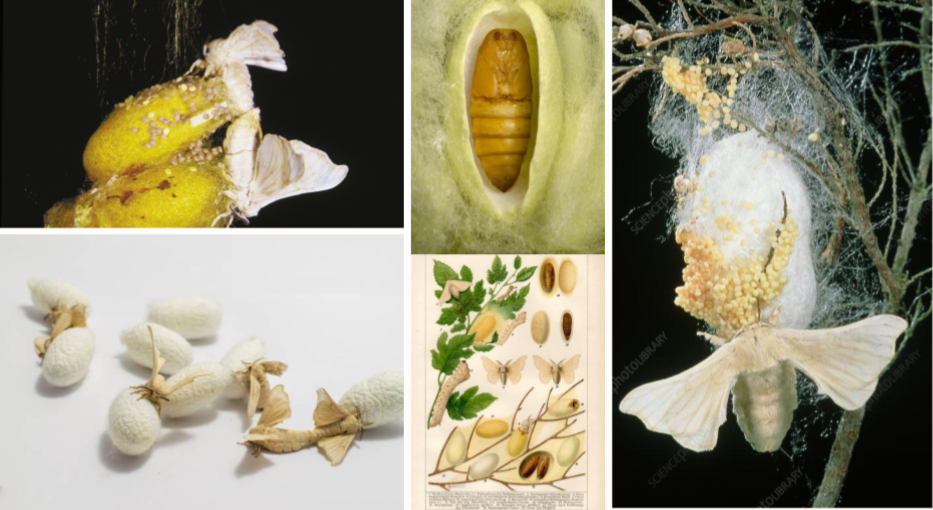
For thousands of years, silk has connected nature and human civilisation through a complex relationship of interdependence. The mulberry tree nourishes the silkworm, whose transformation produces one of the world's most coveted fibres. Over centuries of domestication, this relationship has evolved into a highly specialised ecological and cultural system, shaped by human intervention.
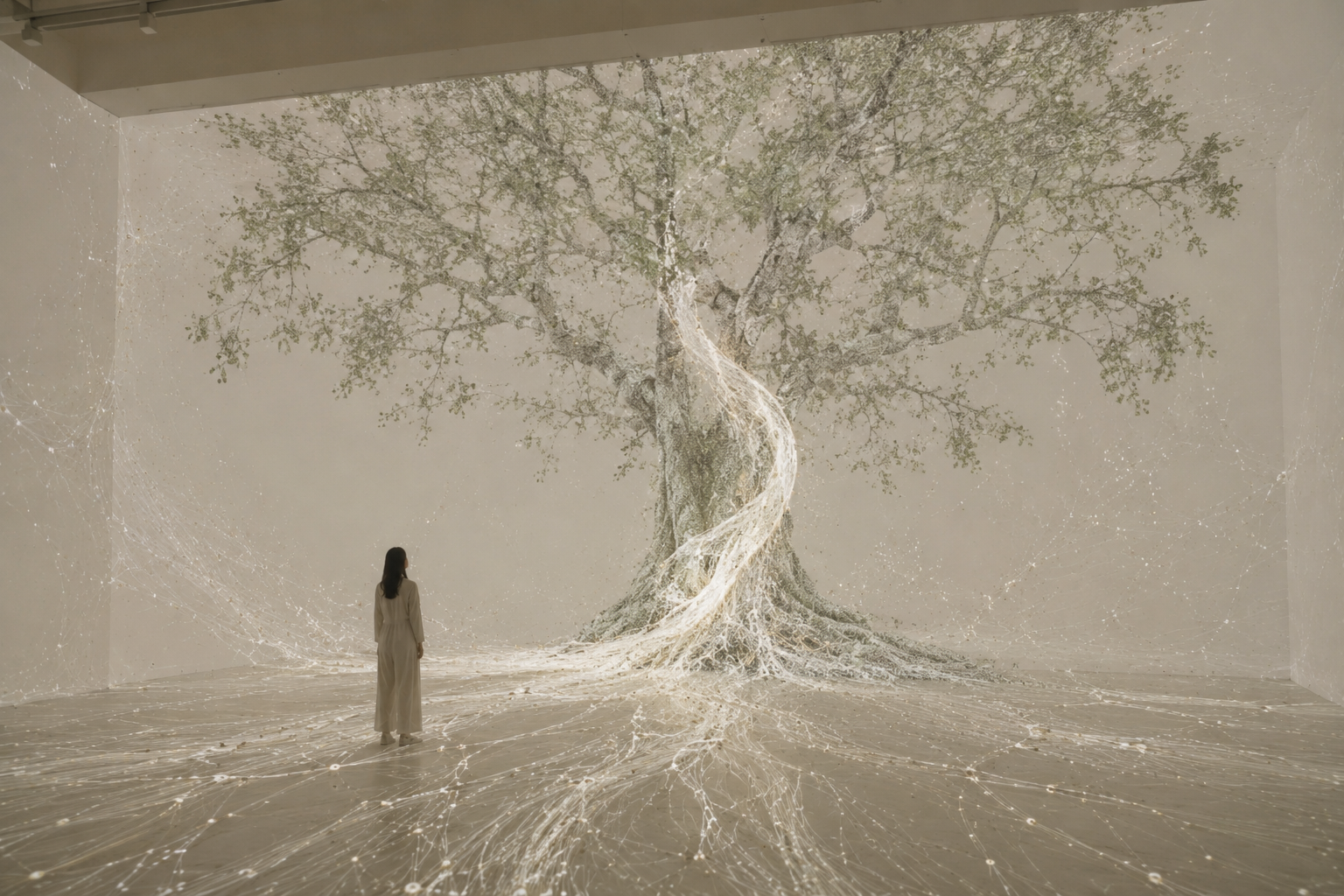
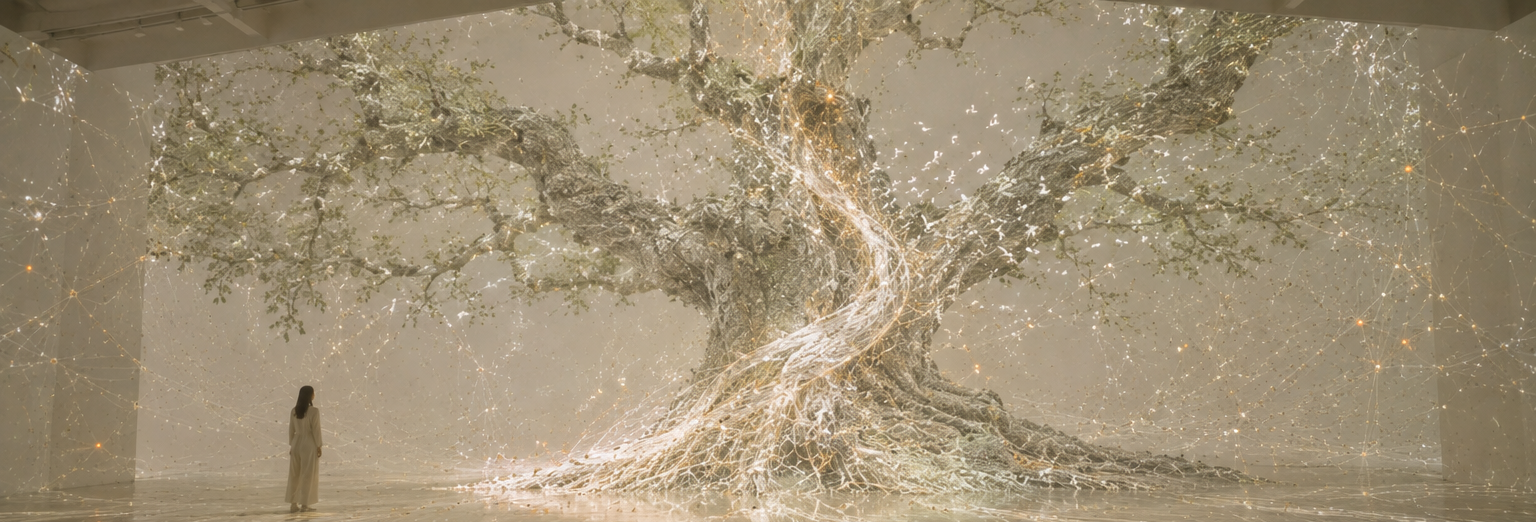
At the centre of MULBERRY is a digitally reconstructed mulberry tree, imagined as the heart of a living, evolving environment. Through procedural animation and real-time simulation, the work explores the delicate dependencies between plant, insect and human activity, moving between biological observation and speculative fiction.
Rather than portraying silk as a finished commodity, MULBERRY draws attention to the organisms, transformations and forms of labour that sustain its existence. The work reflects on domestication, reciprocity and the increasingly blurred boundaries between natural and engineered life.
Research and development
The project is being developed through an artistic research programme centred on silk cultivation in Chengdu, China.
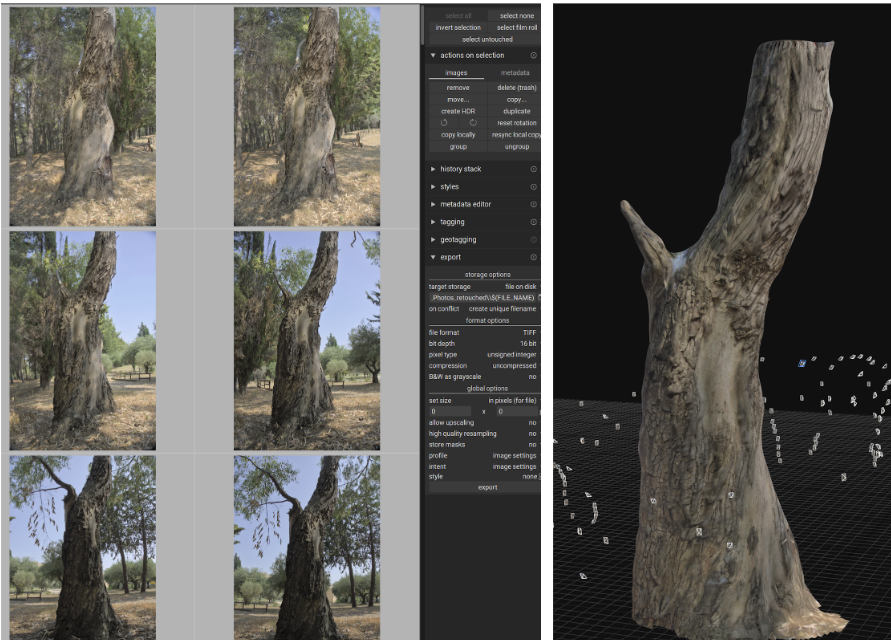
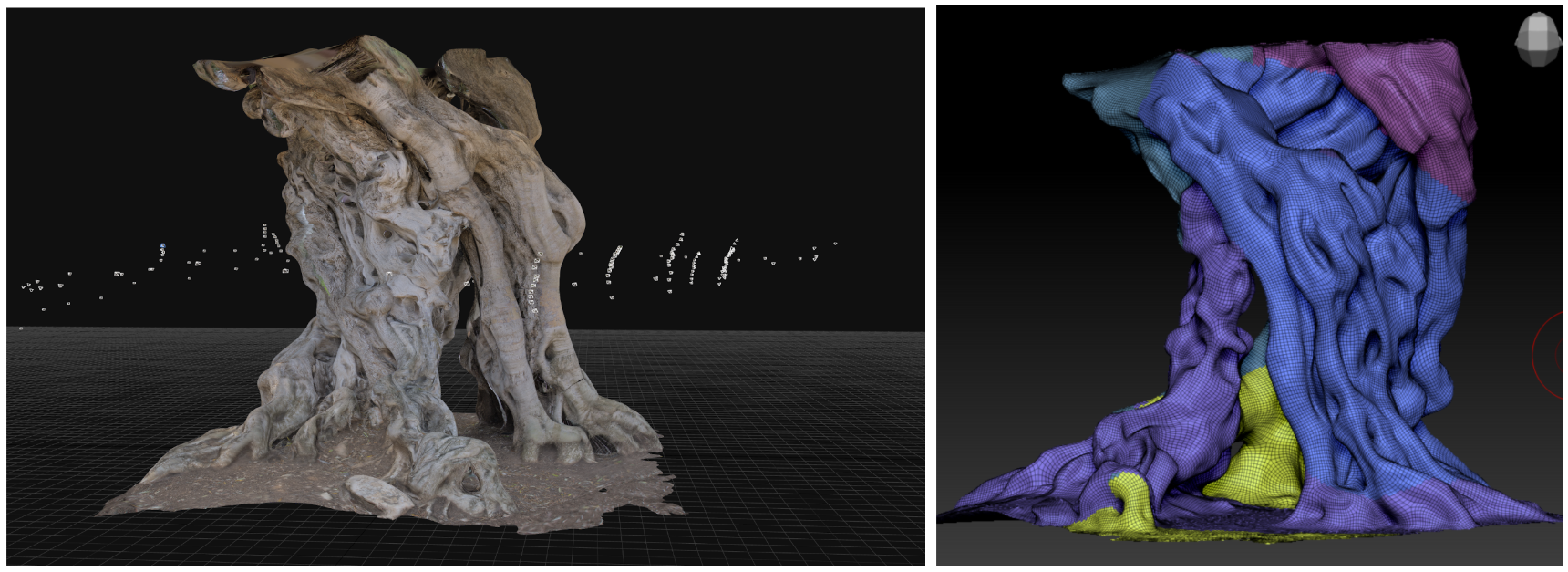
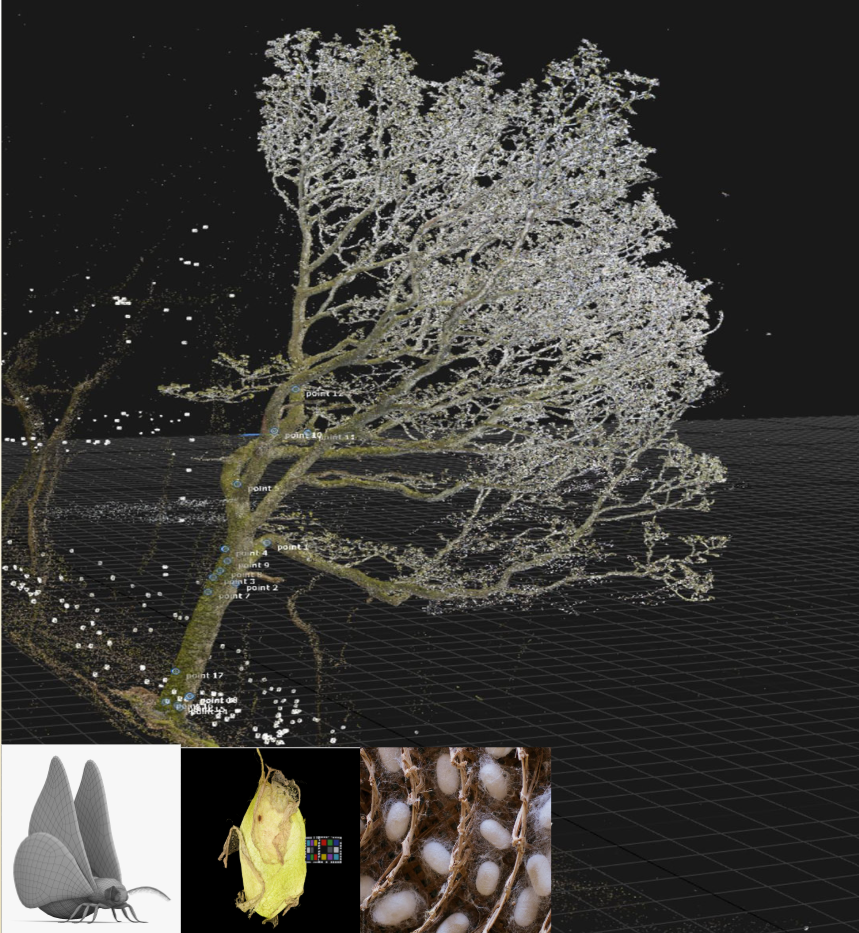
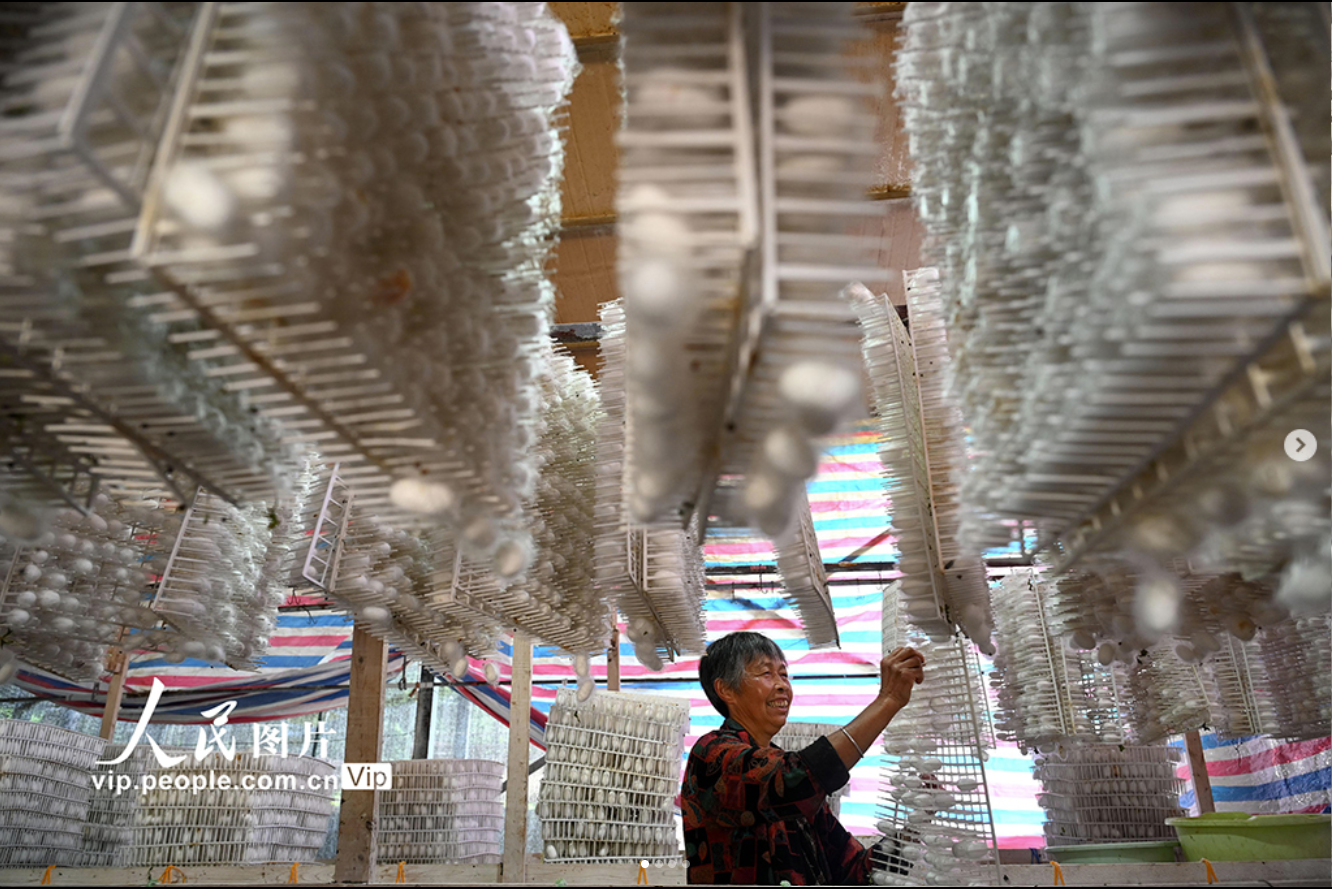
Planned fieldwork will bring together ecological observation, interviews, environmental sound recording and photogrammetry of mulberry trees and silk-production environments.
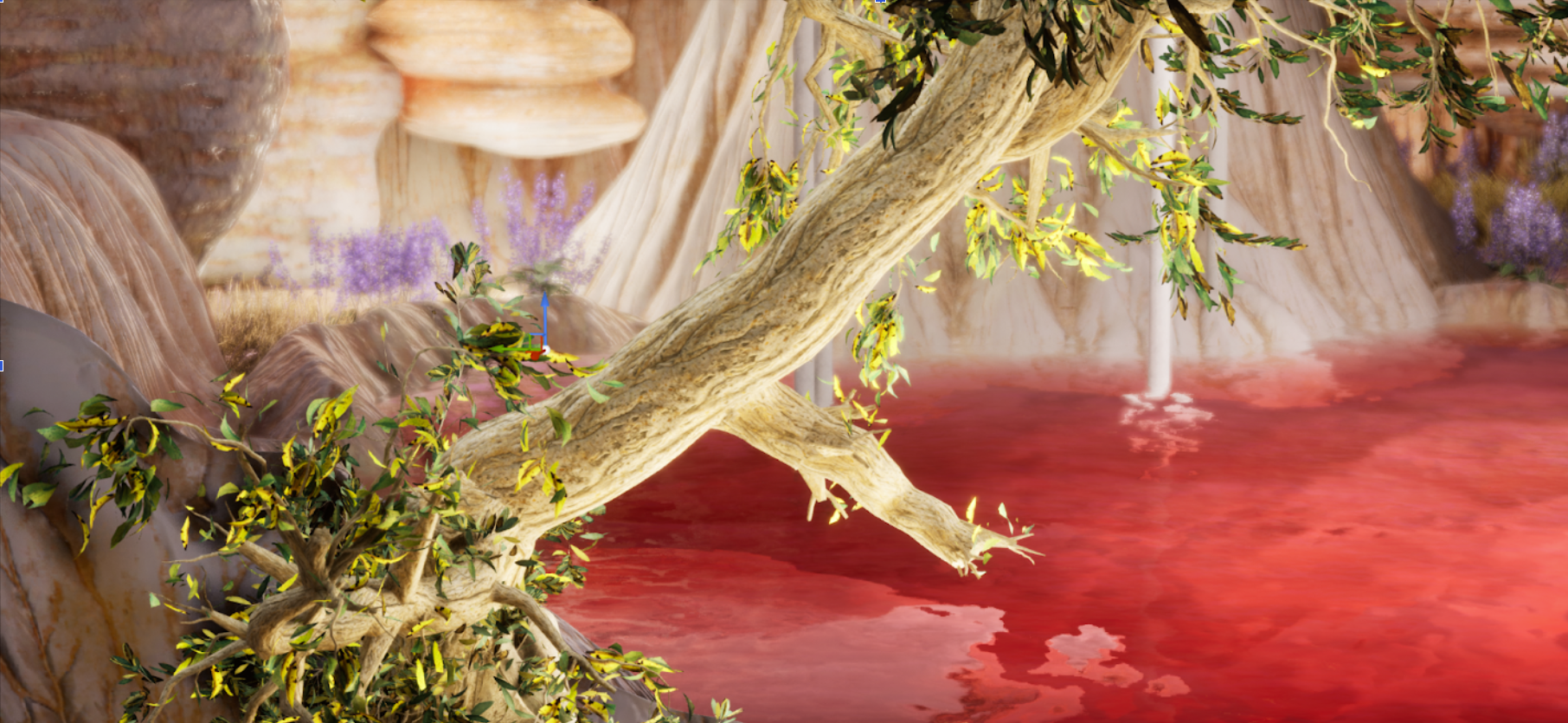
These materials will inform the creation of a speculative digital ecosystem in Unreal Engine, using procedural animation, environmental simulation and sound to translate biological relationships into a sensorial experience.
A further research direction considers the transformation of silk from a cultivated natural fibre into an engineered biomaterial, extending the work's investigation of the relationships between biological life and human technologies.
Proposed installation
MULBERRY is conceived as an immersive moving-image installation centred on a monumental digital mulberry tree.
Across its branches, leaves and surrounding environment, processes of growth, transformation and interdependence unfold through animated biological systems. Environmental recordings, spatial sound and evolving visual structures evoke the rhythms of an ecosystem shaped by both human and non-human life.
The installation is envisaged as an adaptable spatial experience, with the potential for large-scale projection, LED environments or multi-channel presentation.
MULBERRY is currently in research and development, with its conceptual framework, research direction and proposed digital production methodology established.
The next phase will focus on field research, real-time prototyping and the development of the installation's visual and sonic language.
The project welcomes collaborations with museums, cultural institutions, immersive producers, research organisations and partners working across ecology, material culture and digital arts.
Commissioning and co-production enquiries:
[email protected]
PROJECT DETAILS
Medium: Immersive real-time 3D environment
Format: R&D Prototype
Location: Chengdu, China
Residency: NY20+, Summer 2026
Methods: Ecological fieldwork, photogrammetry, procedural simulation, environmental sound
Output: Prototype immersive scene + short-form documentary material
Status: Research & Development (Summer 2026)
FRAMEWORK
Pipeline: Ecological fieldwork → photogrammetry → procedural simulation → real-time environment design
Research Methods: Site observation, interviews, environmental sound recording and material documentation
3D Capture: Photogrammetry of mulberry trees, silk cultivation environments and real life textures
Simulation: Real-time procedural systems modelling mulberry–silkworm interdependence
Software: Unreal Engine 5, Houdini, RealityCapture, Substance 3D, spatial sound workflows
Environment Design: Dynamic 3D world-building informed by observed biological systems
Audio: Field recordings and environmental sound captured during residency research
Output: Real-time immersive prototype, cinematic walkthrough and research documentation
Visual Language: Ecology-driven simulation, procedural animation and site-responsive storytelling
During the residency, field recordings, interviews, photogrammetry and ecological observation will inform the development of a speculative real-time environment centred around a 3D-scanned mulberry tree. Rather than presenting silk as a finished commodity, the project reconstructs the fragile network that makes it possible: mulberry leaves feeding silkworms, biological rhythms shaping labour, and centuries of cultivation embedded within landscape. Through procedural animation, environmental sound and simulation, MULBERRY aims to prototype an immersive space where viewers encounter silk not as object, but as living system.
Other projects
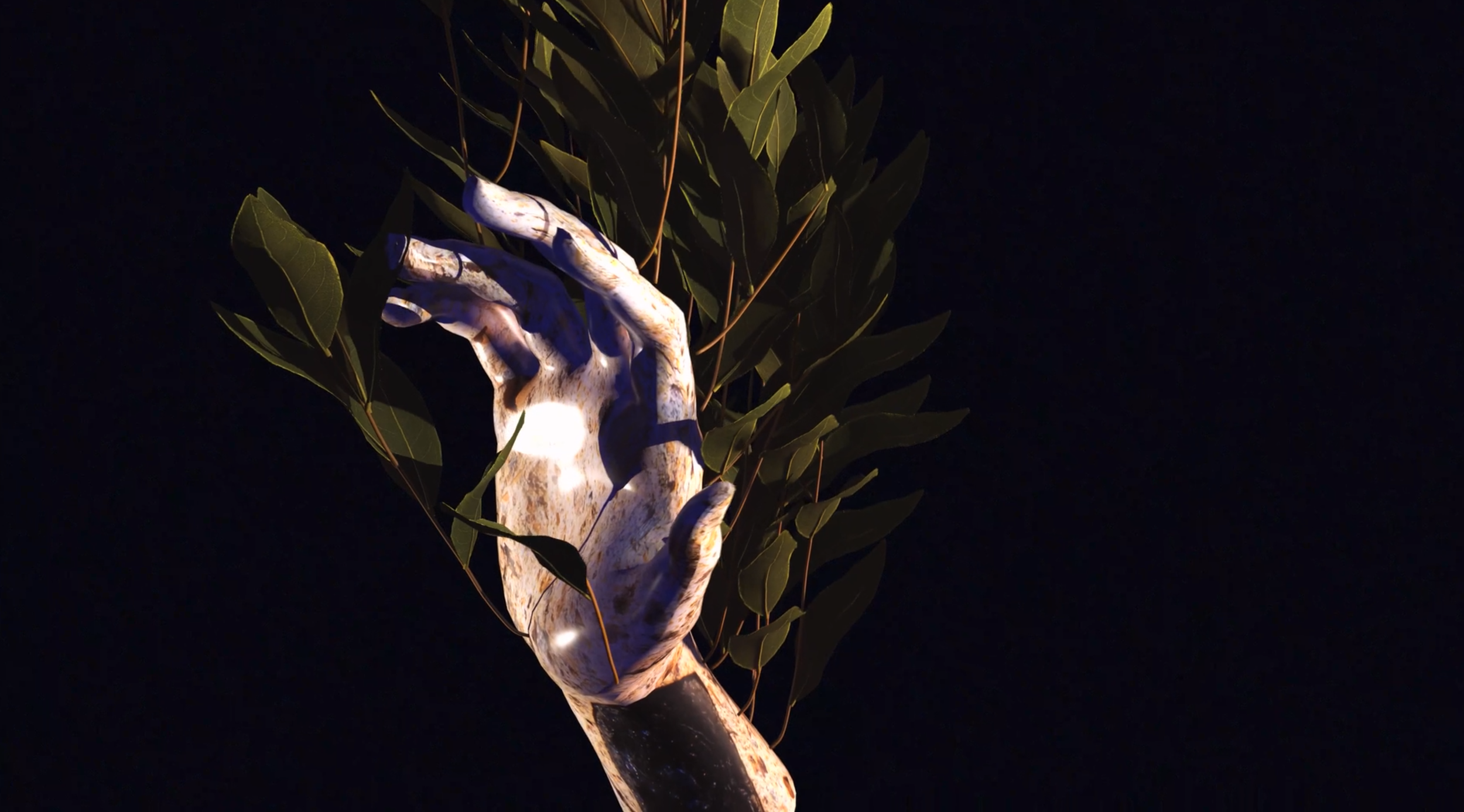
Aurea. Print 2024
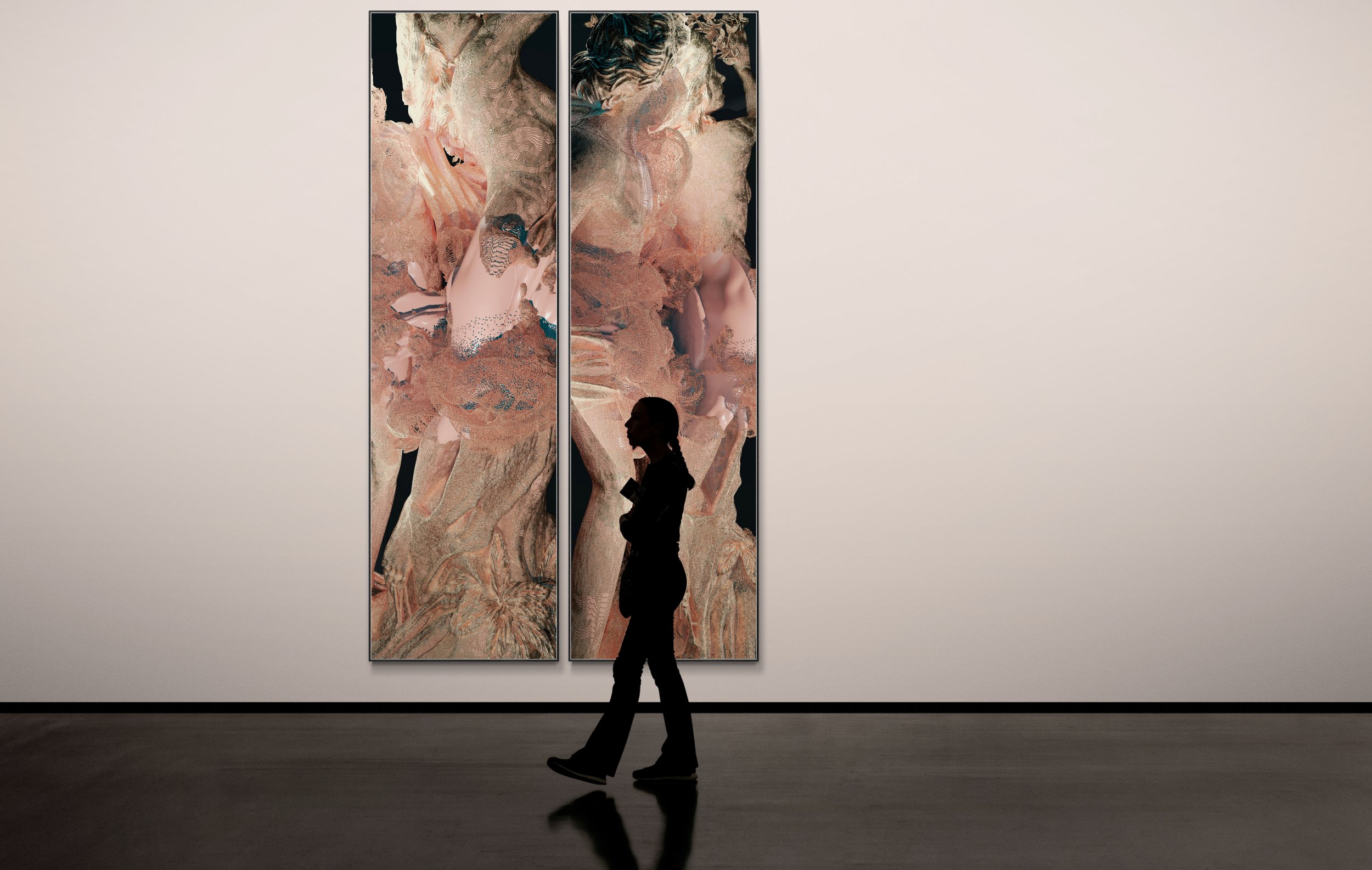
Aurea. Print